
(678) 578-5384


Finding out that your toddler has a cavity can be surprising and even concerning. If you live in Cumming or surrounding areas like Alpharetta, Suwanee, or Sugar Hill, knowing when and how to treat early childhood cavities is key to keeping your child’s smile healthy. Visiting a pediatric dentist can help detect decay early and provide treatment that’s safe, gentle, and tailored for young children. Even though baby teeth are temporary, they play an essential role in chewing, speech development, and guiding permanent teeth into their proper positions. Understanding how fillings work for toddlers can help you make informed decisions for your child’s oral health.
Why Cavities Can Happen in Young Children
Cavities, or dental caries, are caused by bacteria that feed on sugars in your child’s diet. These bacteria produce acids that wear down tooth enamel. While it may seem that baby teeth are “temporary,” decay can still lead to problems such as pain, infection, or early tooth loss.
Toddlers are particularly susceptible to cavities due to:
- Frequent snacking on sugary foods and drinks
- Nighttime bottles or sippy cups with juice or milk
- Difficulty brushing teeth thoroughly
- Early exposure to cavity-causing bacteria
Even a small cavity can progress quickly if not addressed, which is why early intervention is recommended.
The Importance of Treating Baby Teeth
Parents often ask, “Do baby teeth really need fillings?” The answer is yes. Baby teeth are more than placeholders; they are crucial for healthy growth and development:
- Maintaining Space for Permanent Teeth: Early loss of a baby tooth can lead to crowding or misalignment of adult teeth.
- Supporting Speech Development: Healthy teeth help children pronounce words clearly.
- Ensuring Proper Chewing and Nutrition: Painful cavities can make eating difficult, which may affect overall nutrition.
By filling cavities promptly, we protect your child’s comfort and help avoid more complex dental problems later.
Are Cavity Fillings Safe for a 3-Year-Old?
Yes. Pediatric dentists use materials and techniques specifically designed for small, developing teeth. Fillings are considered safe, effective, and minimally invasive.
Common approaches include:
- Composite (Tooth-Colored) Fillings: Resin-based materials that match natural teeth and bond securely.
- Glass Ionomer Fillings: Release fluoride over time to strengthen enamel.
- Amalgam Fillings: Rarely used for toddlers today, but extremely durable.
Dentists may also recommend mild sedation for children, such as nitrous oxide (laughing gas), to keep your child calm and comfortable during the procedure. These measures ensure the experience is stress-free while protecting the tooth.
What to Expect During a Filling Appointment
Understanding the procedure can reduce anxiety for both parents and children. A typical filling appointment for a 3-year-old may include:
- Gentle Examination – The dentist examines the tooth and may take a small X-ray to assess the cavity.
- Comfort Measures – Numbing gel or mild sedation is applied if needed.
- Decay Removal – The decayed portion of the tooth is carefully cleaned.
- Filling Placement – Tooth-colored material is applied, shaped, and hardened to restore the tooth.
- Positive Reinforcement – Children are praised for their bravery to encourage confidence in future visits.
The process is usually quick, and pediatric dentists prioritize a calm, welcoming environment.
Signs Your Toddler May Need a Filling
Cavities in toddlers may not always be obvious. Look for:
- Tooth sensitivity to hot, cold, or sweet foods
- Complaints of pain or discomfort while eating
- Visible discoloration, holes, or white/brown spots
- Swelling or redness around the gums
Regular dental visits are crucial, even if no symptoms are present, because early detection can prevent complications.
Preparing Your Child for a Dental Visit
Helping your toddler feel safe can improve the experience. Parents can:
- Explain the visit in simple, positive terms, e.g., “The dentist will make your tooth strong again.”
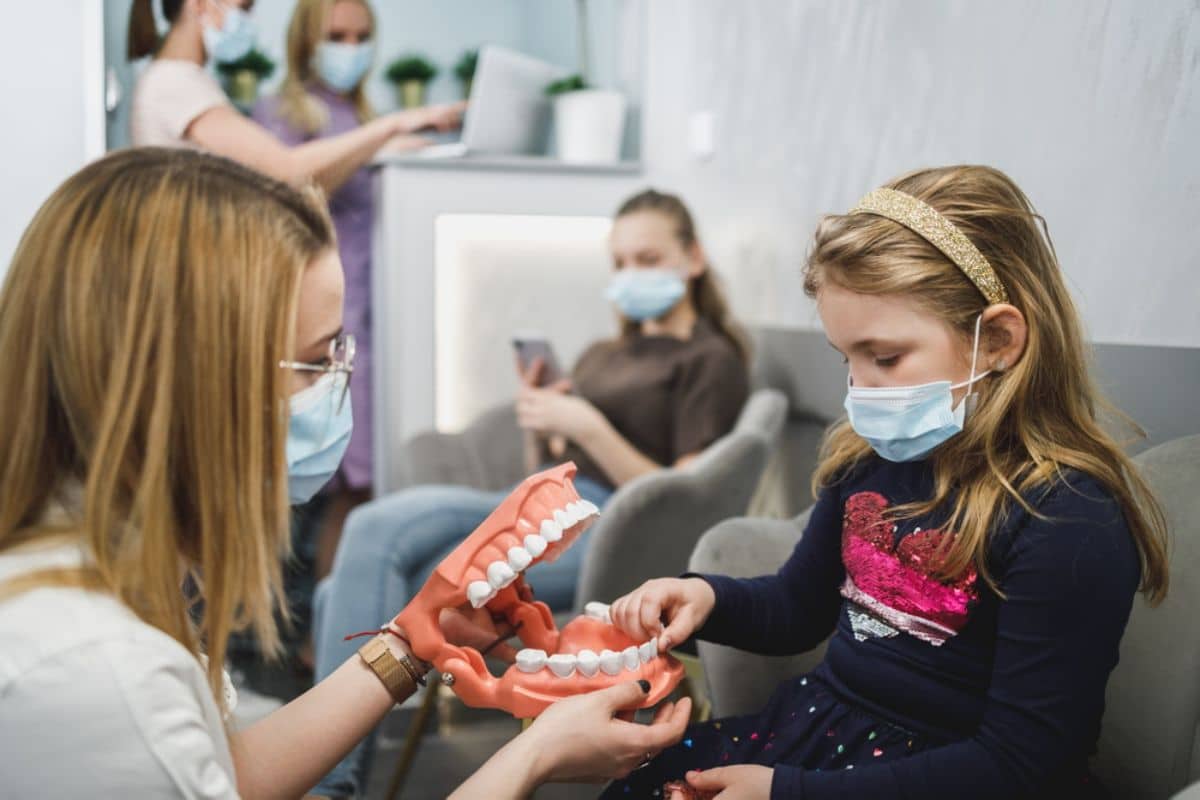
- Role-play a dental visit with toys or mirrors.
- Bring a favorite comfort item, like a toy or blanket.
- Maintain a calm, positive demeanor to help reduce anxiety.
A prepared child is often more cooperative, and positive experiences at a young age promote long-term dental health.
Aftercare and Recovery
After a filling, mild numbness or sensitivity is common for a few hours. Recommended aftercare includes:
- Soft foods for the remainder of the day
- Avoiding very hot or crunchy foods initially
- Encouraging water intake
- Resuming gentle brushing later the same day
Following these steps ensures comfort, supports healing, and prolongs the life of the filling.
Preventing Future Cavities
Preventive care is essential to minimize the need for fillings. Tips for toddlers include:
- Brushing twice daily with fluoride toothpaste
- Flossing once teeth start touching
- Limiting sugary snacks and beverages
- Regular dental checkups every six months
The CDC provides helpful guidance for children’s oral health, including brushing techniques and diet tips: CDC Children’s Oral Health
By building these habits early, you help protect both baby teeth and future permanent teeth.
Finding the Right Pediatric Dental Care
When parents search for a kids’ dental clinic near me, it’s important to choose a provider experienced in treating young children. A pediatric dentist can provide gentle care, use age-appropriate materials, and create a supportive environment that builds lifelong healthy habits.
Conclusion
A cavity in a 3-year-old is common, but with proper care, it is entirely manageable. Filling baby teeth preserves oral function, prevents pain, and protects your child’s developing smile. Early intervention also reduces the risk of future dental issues, supporting healthy growth and development. For parents in Cumming and nearby neighborhoods, seeking guidance from experts like Cumming Pediatric Dentistry & Orthodontics ensures your toddler receives safe, compassionate, and child-focused dental care. Schedule a consultation today to keep your little one’s smile healthy and bright.