
(678) 578-5384


Start The New Year With A Smile: Handling Orthodontic Emergencies Like A Pro
The new year brings fresh opportunities, and there’s no better way to kick it off than with a healthy, confident smile. But for individuals undergoing orthodontic treatment, unexpected challenges like broken braces lost aligners, or poking wires can put a damper on their progress. Orthodontic emergencies don’t have to derail your goals—if handled correctly, they can be managed with minimal stress.
This blog will guide you on how to deal with common orthodontic emergencies and ensure your journey to a perfect smile stays on track.
Understanding Orthodontic Emergencies
Not all discomforts during orthodontic treatment qualify as emergencies. It’s crucial to differentiate between a minor inconvenience and a situation that requires professional attention. Let’s explore what constitutes a real orthodontic emergency.
What Is an Orthodontic Emergency?
Orthodontic emergencies involve issues that could impact the progress of your treatment or cause significant discomfort. These include:
- Severe pain or swelling in the mouth
- A broken bracket or wire that hinders alignment
- Injuries to the teeth or gums due to orthodontic devices
Minor issues like mild discomfort from adjustments or loose rubber bands, though irritating, can often wait until your next scheduled appointment.
Common Orthodontic Emergencies and How to Handle Them
Knowing how to handle emergencies can help you maintain treatment progress and minimize discomfort. Here are some typical orthodontic emergencies and practical solutions to manage them like a pro.
1. Broken or Loose Brackets
Brackets are bonded to the teeth to hold wires in place. If a bracket becomes loose or breaks, it can disrupt your treatment.
What to Do:
- If the bracket is still attached to the wire, leave it in place.
- Cover it with orthodontic wax to prevent irritation.
- Schedule an appointment with your orthodontist for repair.
2. Poking Wires
Wires that extend beyond the brackets may poke your cheeks or gums, causing pain or sores.
What to Do:
- Use a pencil eraser to gently push the wire back into place.
- Apply orthodontic wax to the sharp end.
- If trimming is necessary, use clean nail clippers to cut the excess wire (as a temporary measure).
3. Loose Bands
Orthodontic bands are metal rings cemented to the back molars. If they come loose, they need professional re-cementing.
What to Do:
- Remove the loose band if it’s fully detached.
- Save it and take it to your orthodontist.
- Avoid chewing on hard foods until you get them reattached.
4. Lost or Damaged Aligners
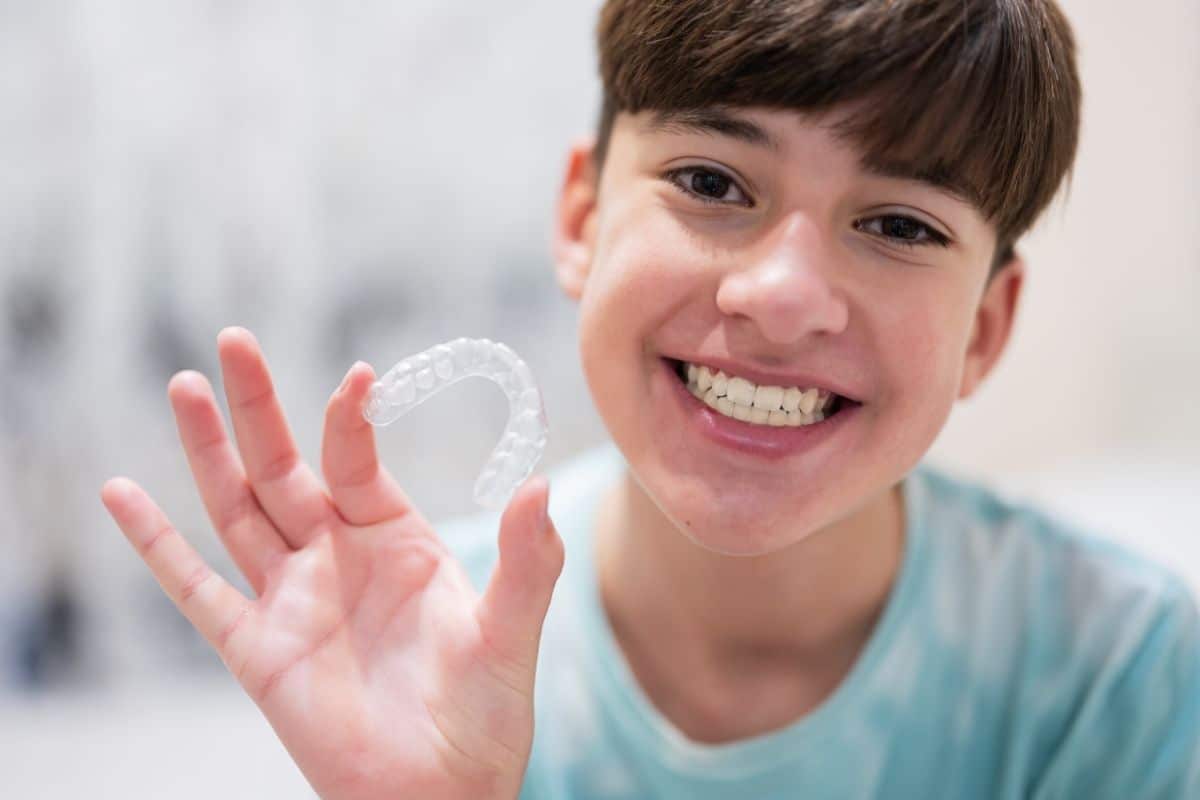
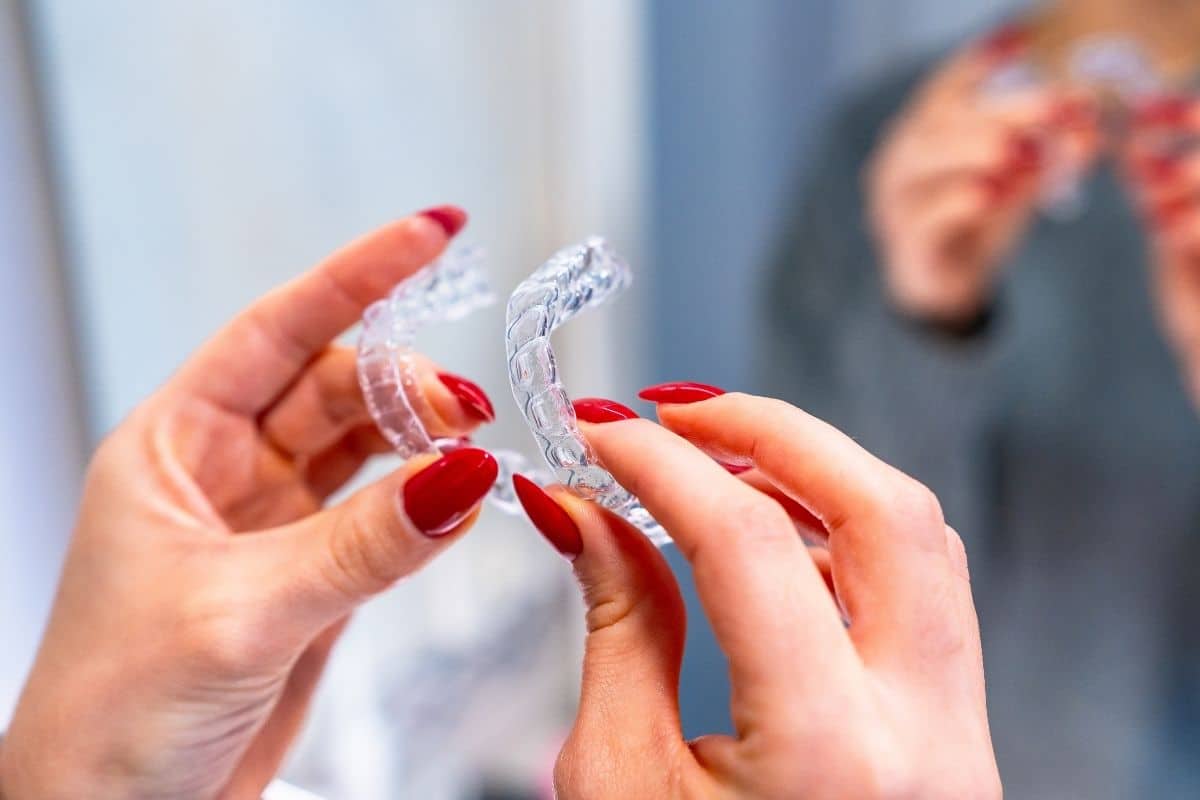
Clear aligners like Invisalign need to fit snugly to maintain treatment progress. Losing or damaging them can delay your progress.
What to Do:
- Use your previous aligner as a temporary solution.
- Contact your orthodontist immediately to request a replacement.
5. Soreness After Adjustment
Mild soreness is common after a braces adjustment or when switching to a new aligner.
What to Do:
- Rinse with warm salt water to soothe the gums.
- Use over-the-counter pain relievers as directed.
- Stick to soft foods until the discomfort subsides.
Pro Tips for Preventing Orthodontic Emergencies
Prevention is the key to avoiding unnecessary orthodontic setbacks. Follow these tips to reduce the risk of emergencies during your treatment.
1. Watch What You Eat
- Avoid hard, sticky, or chewy foods that can break wires or loosen brackets.
- Stick to braces-friendly foods like yogurt, soup, and pasta.
2. Use a Mouthguard for Sports
- If you play contact sports, wear an orthodontic mouthguard to protect your teeth and braces.
3. Practice Good Oral Hygiene
- Brush and floss carefully around orthodontic devices to prevent damage.
- Use an interdental brush or water flosser to clean hard-to-reach areas.
4. Attend Regular Check-Ups
- Don’t skip your scheduled orthodontic visits. Regular check-ups allow your orthodontist to catch and fix potential issues before they escalate.
When to See Your Orthodontist Immediately
While many orthodontic issues can be managed at home, some require immediate professional intervention. Call your orthodontist right away if:
- There is significant pain, swelling, or bleeding.
- A bracket or wire is causing trauma to the mouth.
- An essential component (like a wire or aligner) is missing or severely damaged.
Start the New Year Right: Stay Calm, Stay Prepared
Orthodontic emergencies can feel overwhelming, but being prepared will keep you on track toward your dream smile. With the right care, most issues can be handled at home, allowing you to focus on your treatment and New Year’s goals.
Start the year with a smile—stay proactive, follow preventive tips, and never hesitate to reach out to your orthodontist when needed. The journey to a perfect smile may have its challenges, but with the right approach, you’ll handle them like a pro! A beautiful smile continues smoothly into the New Year.