
(678) 578-5384


The Impact of Thumb Sucking on Orthodontic Health
Thumb sucking is a common habit among infants and young children. While it provides comfort and security, it can have significant effects on a child’s dental and orthodontic health, especially if the habit persists beyond early childhood. An orthodontist in Alpharetta can help guide parents on how to manage and mitigate these effects. This blog explores the potential impact of thumb-sucking on your child’s oral health and how an orthodontic professional can address these concerns.
Understanding Thumb Sucking
Thumb sucking typically starts in infancy and may continue into the early preschool years. It is often a self-soothing mechanism that helps children feel secure and calm. Most children stop thumb-sucking on their own by age 3 to 4, but for some, the habit persists for much longer. When thumb sucking continues into the school years, it can cause issues with the development of the teeth and jaws and may require intervention from an orthodontist.
How Thumb Sucking Affects Teeth and Jaws
While thumb sucking is a natural behavior for young children, prolonged or excessive sucking can lead to several orthodontic problems.
1. Teeth Misalignment
One of the most significant effects of thumb sucking on orthodontic health is the potential for teeth misalignment. The constant pressure of the thumb on the teeth can push them out of their proper position. This can result in:
- Overbite: The upper teeth protrude over the lower teeth.
- Open Bite: The upper and lower teeth don’t come together properly when the mouth is closed.
- Crossbite: The upper teeth are positioned inside the lower teeth.
These misalignments can make it more difficult to chew and speak clearly and can even affect the overall appearance of your child’s smile. An orthodontist in Alpharetta may recommend braces or other corrective treatments to realign the teeth if misalignment occurs.
2. Jaw Development Issues
The forces exerted by thumb sucking don’t just affect the teeth; they can also interfere with the normal growth of the jaw. If the habit persists, it can impact the upper and lower jaw’s development, leading to bite problems. In some cases, prolonged thumb sucking may cause the upper jaw to become more narrow or the lower jaw to grow abnormally.
The best way to ensure proper jaw development is to stop the thumb-sucking habit early. A visit to an orthodontic professional can help assess whether thumb sucking has affected your child’s jaw structure and what steps should be taken to address it.
How Long Is Too Long?
The length of time a child sucks their thumb significantly influences the severity of potential orthodontic issues. If a child stops sucking their thumb by age 3 to 4, the likelihood of dental and jaw issues is much lower. However, the longer the habit persists, the more likely it is that dental concerns will arise. An orthodontist may recommend that children stop the habit before age 5 to avoid long-term effects.
Early Intervention Is Key
If you notice that your child’s thumb sucking persists beyond the typical age range, it’s essential to seek advice from an orthodontic professional. They can provide guidance on how to stop the habit and minimize the risks of lasting orthodontic damage. Depending on the severity of the situation, early intervention may involve:
- Behavioral strategies to help your child break the habit.
- Mouth appliances that discourage thumb-sucking by making it uncomfortable or difficult.
- Positive reinforcement to encourage your child to stop.
Potential Treatment for Thumb Sucking Effects
If thumb sucking has already caused some orthodontic problems, an orthodontist in Alpharetta can help with corrective treatments. The type of treatment will depend on the severity of the issues and may include:
1. Braces and Aligners
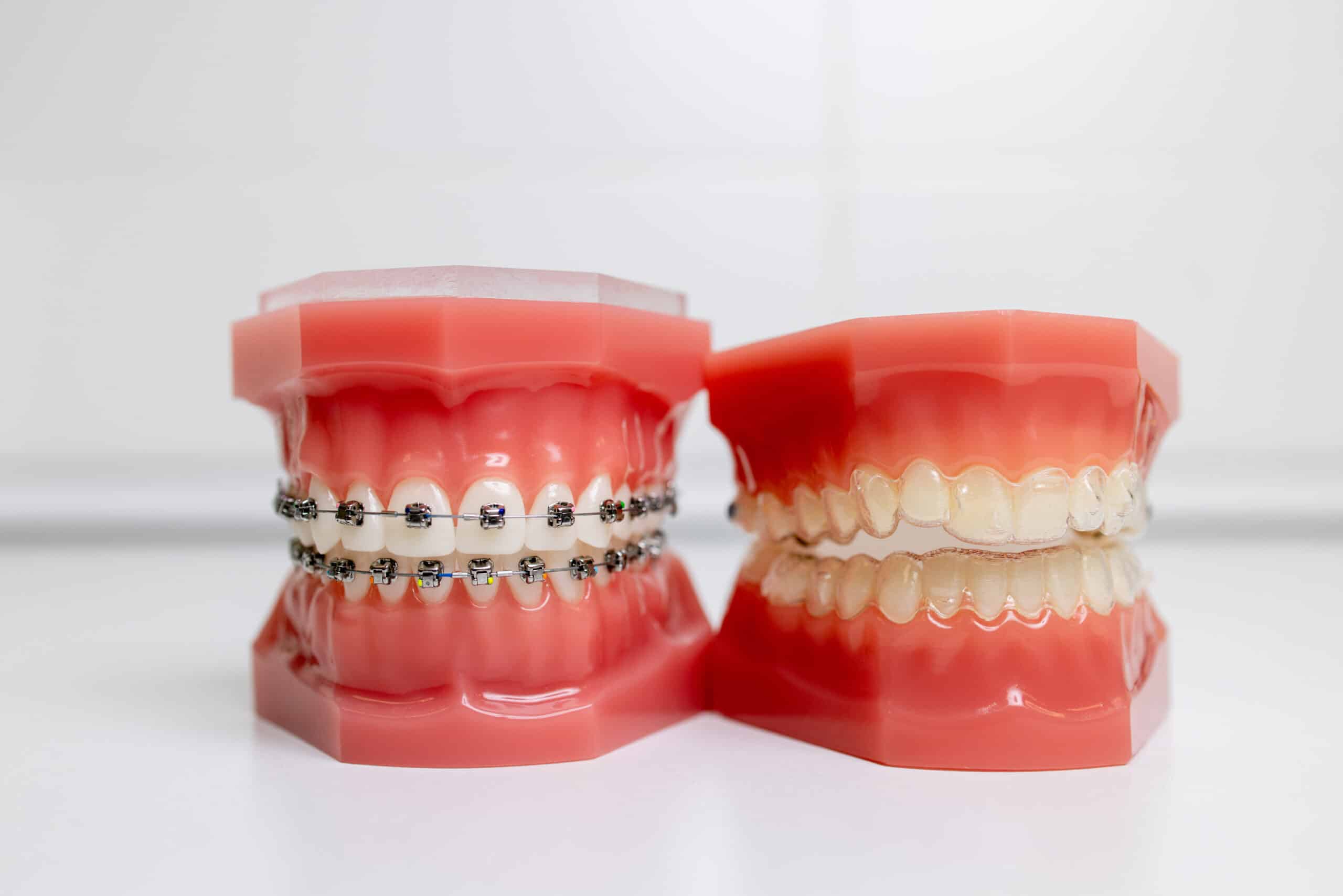
Braces are commonly used to correct misaligned teeth resulting from thumb sucking. The goal is to reposition the teeth into their proper alignment. In some cases, clear aligners like invisalign may be an option, particularly for older children or teens. Your orthodontist will discuss the best treatment option based on your child’s needs.
2. Palatal Expanders
If thumb sucking has caused the upper jaw to become narrow, a palatal expander may be recommended to widen the jaw. This device helps to create more space in the mouth and allows for proper alignment of the teeth.
3. Retainers
In some cases, retainers are used after braces or other treatments to help maintain the corrected alignment and prevent relapse. Retainers may also be used to encourage proper tongue posture and prevent thumb sucking in the future.
Tips for Parents to Help Stop Thumb Sucking
If your child is still sucking their thumb, there are several strategies you can use to help them break the habit. Here are a few tips:
1. Positive Reinforcement
Encourage your child to stop sucking their thumb by using positive reinforcement. Praise them for going a day without thumb sucking, or offer small rewards as motivation.
2. Provide Comfort
If your child uses thumb sucking as a coping mechanism, provide alternative ways for them to feel comforted, such as cuddling, a favorite blanket, or a soothing toy.
3. Create Distractions
When you notice your child sucking their thumb, try to distract them with an activity or a game. Keep their hands busy to reduce the temptation.
4. Use a Thumb Guard or Bandage
Some children respond well to wearing a thumb guard or a bandage around their thumb. These items serve as a physical reminder that thumb-sucking is not allowed and may help break the habit.
When to See an Orthodontist
If thumb sucking continues past the age of 4 or 5, or if you notice signs of dental or orthodontic issues, it’s a good idea to consult an orthodontist in cumming. Early intervention can prevent more serious problems from developing later on. An orthodontist will assess your child’s teeth, jaw, and overall oral health to create a personalized treatment plan.
Conclusion
While thumb sucking is a natural habit for many children, it’s important to be aware of the potential impact it can have on their orthodontic health. Prolonged thumb sucking can lead to misaligned teeth, jaw development issues, and other dental concerns. The key to preventing long-term damage is early intervention. If you’re concerned about your child’s thumb sucking, don’t hesitate to seek advice from an orthodontist. Taking action early can help ensure your child’s smile remains healthy and beautiful for years to come.