
(678) 578-5384

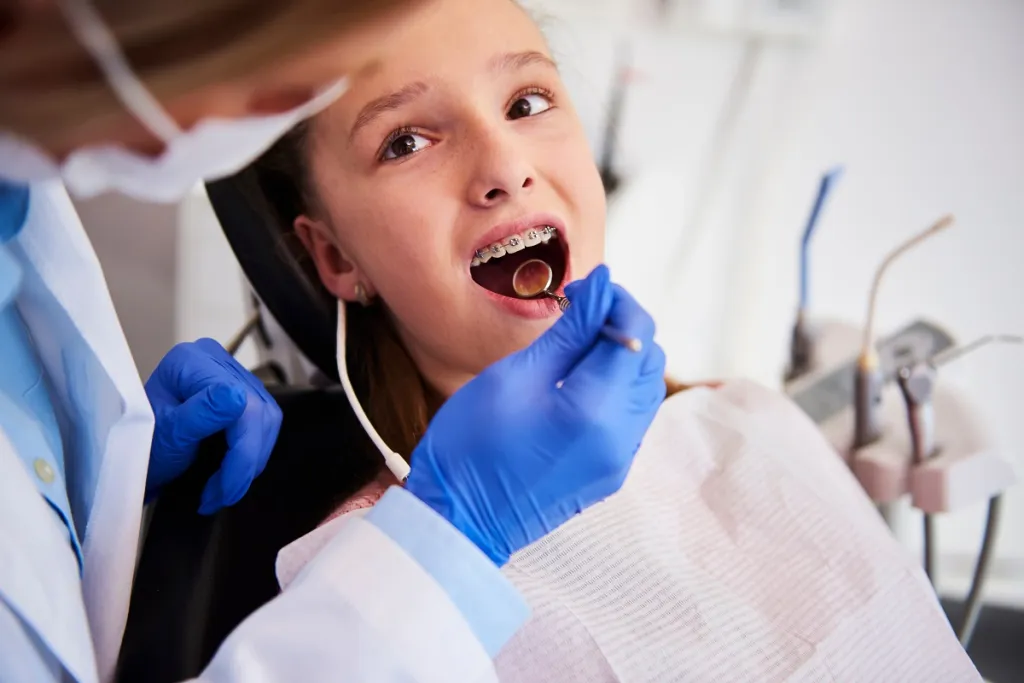
Common Orthodontic Issues and Their Treatment Options
Orthodontic issues are more common than many might think, and they can impact not only the appearance of your smile but also your oral health. From crooked teeth to jaw misalignment, these issues can cause discomfort, difficulty in chewing, and even speech problems. Fortunately, modern orthodontics offers a variety of treatment options to correct these problems. In this blog, we will explore some of the most common orthodontic issues and the treatment options available to address them.
Understanding Orthodontic Issues
Orthodontic issues can arise from various factors, including genetics, injury, or habits such as thumb-sucking. Identifying the problem early on is key to effective treatment. Here are some of the most common orthodontic issues people face:
Crooked or Misaligned Teeth
Crooked or misaligned teeth, also known as malocclusion, is one of the most prevalent orthodontic problems. It occurs when teeth are not aligned properly within the mouth. This can lead to difficulty in cleaning the teeth, increasing the risk of decay and gum disease.
Overbite
An overbite is a condition where the upper front teeth overlap significantly over the lower front teeth. While a slight overbite is normal, a more pronounced one can cause wear on the lower teeth, jaw pain, and even difficulty in biting and chewing.
Underbite
An underbite is the opposite of an overbite; the lower teeth extend beyond the upper teeth. This condition can create issues with speech, and chewing, and can lead to jaw pain over time.
Crossbite
A crossbite occurs when some of the upper teeth sit inside the lower teeth rather than outside. This misalignment can cause teeth to wear unevenly, leading to gum disease and bone loss.
Open Bite
An open bite happens when the upper and lower teeth don’t meet when the mouth is closed, leaving a gap. This condition can affect chewing and speech and often results from thumb-sucking or prolonged use of a pacifier in childhood.
Crowded Teeth
Crowded teeth occur when there isn’t enough space in the jaw for all the teeth to fit normally. This can make it difficult to brush and floss effectively, leading to plaque buildup, tooth decay, and gum disease.
Treatment Options for Common Orthodontic Issues
Orthodontics offers a range of treatments to address these common issues. The choice of treatment depends on the severity of the problem, the patient’s age, and their specific needs.
Traditional Braces
Traditional metal braces are the most common and effective treatment for a wide range of orthodontic issues. They consist of metal brackets attached to the teeth and connected by a wire, which is periodically tightened to gradually move the teeth into their correct positions.
Advantages of Traditional Braces:
- Effective for complex cases
- Suitable for patients of all ages
- Generally more affordable than other options
Disadvantages of Traditional Braces:
- Visible on the teeth
- Can cause discomfort and require careful oral hygiene
Ceramic Braces
Ceramic braces function similarly to traditional metal braces but use clear or tooth-colored brackets that blend in with the teeth. They are a popular choice for those who want a less noticeable option.
Advantages of Ceramic Braces:
- Less visible than metal braces
- Effective for various orthodontic issues
Disadvantages of Ceramic Braces:
- More expensive than metal braces
- Brackets can stain if not cared for properly
Lingual Braces
Lingual braces are similar to traditional braces but are attached to the back of the teeth, making them invisible from the front. They are custom-made to fit the contours of the teeth.
Advantages of Lingual Braces:
- Invisible from the front
- Effective for complex cases
Disadvantages of Lingual Braces:
- More expensive and complex to install
- May cause tongue irritation and speech difficulties
Clear Aligners (Invisalign)
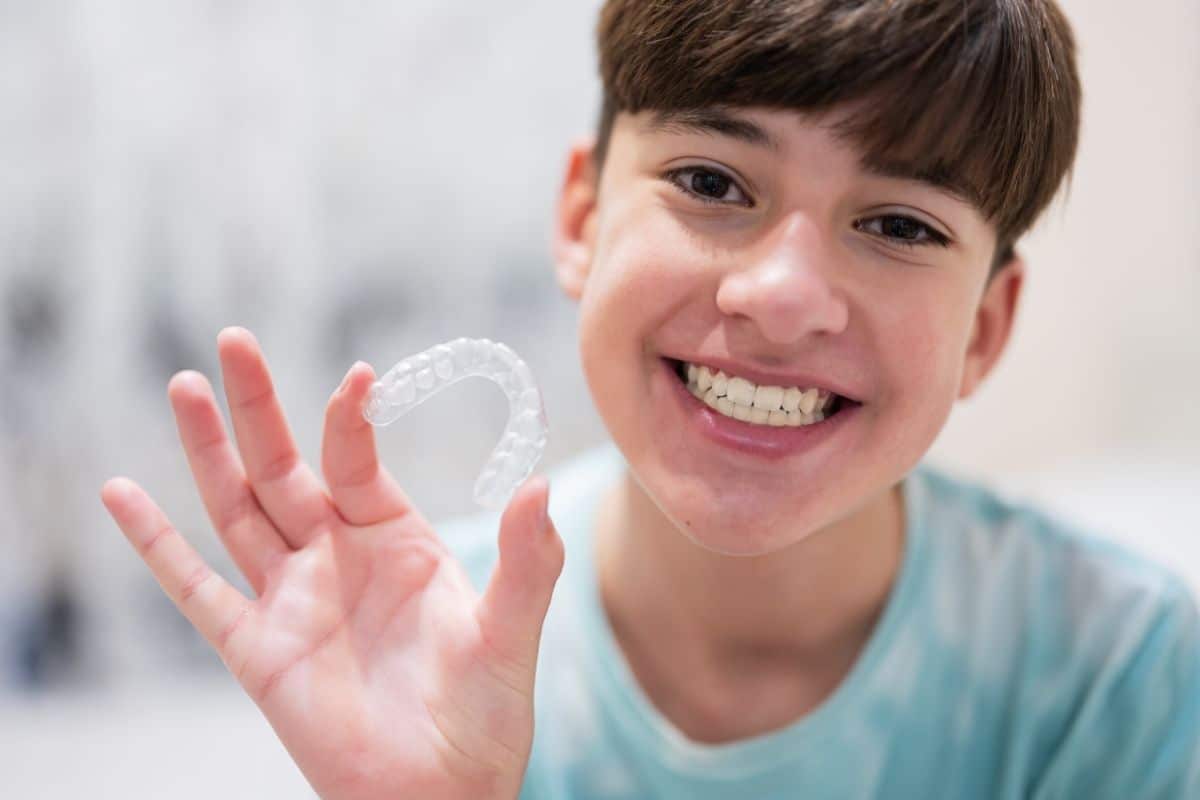
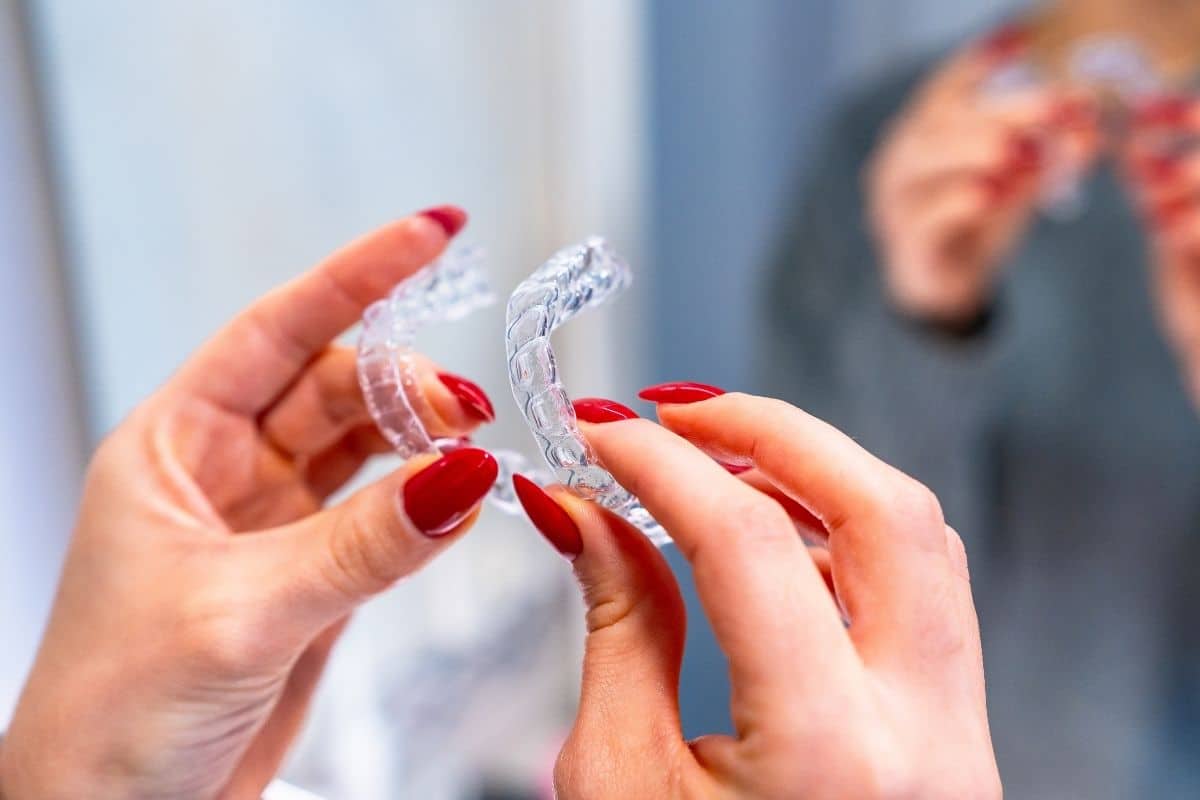
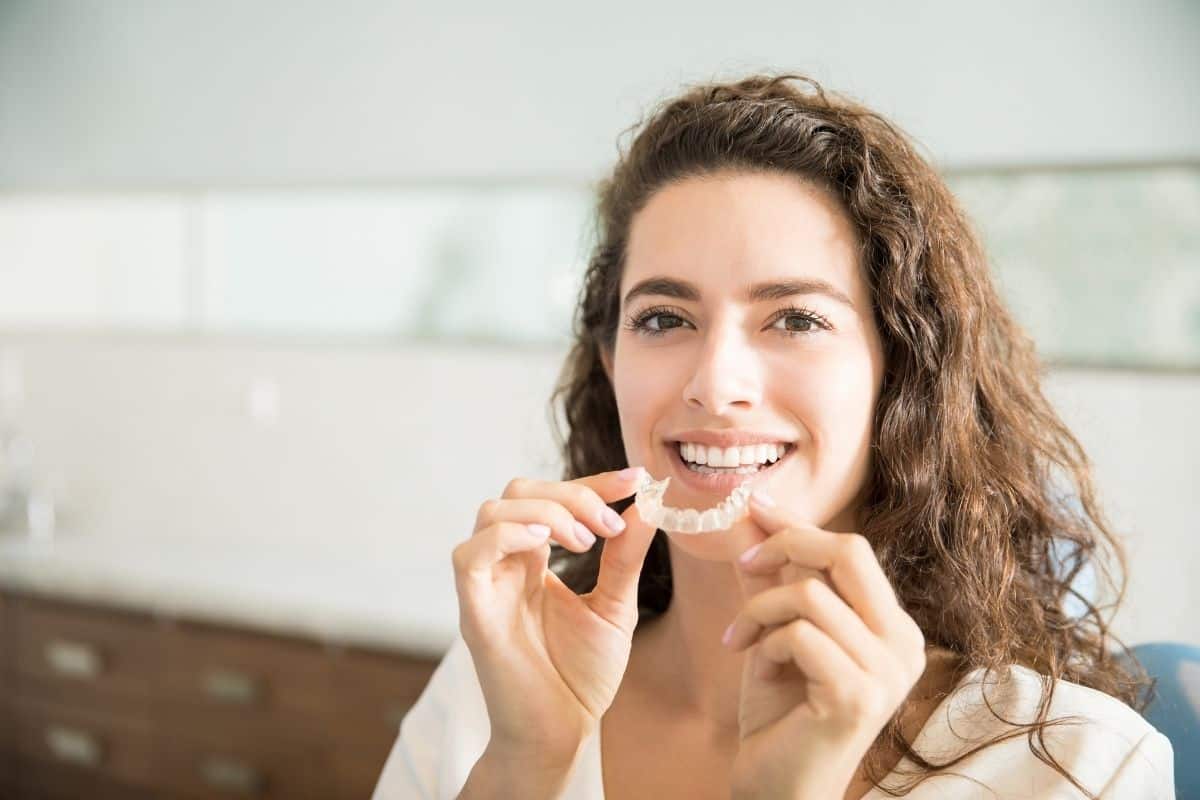
Clear aligners, such as Invisalign, are a popular choice for treating mild to moderate orthodontic issues. These custom-made, removable trays gradually shift the teeth into the desired position without the need for metal brackets or wires.
Advantages of Clear Aligners:
- Virtually invisible
- Removable for eating and cleaning
- Comfortable with no metal components
Disadvantages of Clear Aligners:
- Not suitable for severe orthodontic cases
- Requires discipline to wear as recommended
Retainers
Retainers are usually worn after braces or aligners to maintain the new position of the teeth. They can be removable or fixed, depending on the patient’s needs.
Advantages of Retainers:
- Helps maintain the results of orthodontic treatment
- Available in different forms (removable or fixed)
Disadvantages of Retainers:
- Removable retainers can be lost or damaged
- Requires consistent use to be effective
Palatal Expanders
Palatal expanders are used to widen the upper jaw when it is too narrow to accommodate all the teeth. This treatment is more common in children whose jaws are still growing.
Advantages of Palatal Expanders:
- Prevents the need for tooth extractions
- Can correct crossbites and crowding
Disadvantages of Palatal Expanders:
- May cause discomfort initially
- Requires time to achieve results
Orthognathic Surgery
In cases of severe jaw misalignment, orthognathic surgery may be necessary. This surgical procedure repositions the jaw to improve function and appearance. It is typically combined with orthodontic treatment.
Advantages of Orthognathic Surgery:
- Corrects severe jaw issues
- Improves both function and aesthetics
Disadvantages of Orthognathic Surgery:
- Invasive with a longer recovery time
- Expensive compared to other treatments
Choosing the Right Treatment
Selecting the appropriate orthodontic treatment depends on several factors, including the severity of the orthodontic issue, the patient’s age, and their personal preferences. Consulting with an orthodontist is essential to determine the best course of action. They will conduct a thorough examination, including X-rays and impressions, to develop a customized treatment plan.
Importance of Early Intervention
While orthodontic treatment can be effective at any age, early intervention often leads to better outcomes. The American Association of Orthodontists recommends that children have their first orthodontic evaluation by age seven. Early detection and treatment can prevent more severe problems from developing and may shorten the duration of treatment.
Maintaining Oral Hygiene During Treatment
Maintaining good oral hygiene is crucial during orthodontic treatment, especially when wearing braces or other appliances. Brushing and flossing regularly, along with regular dental check-ups, can prevent plaque buildup, cavities, and gum disease.
Conclusion
Orthodontic issues, though common, can significantly impact one’s quality of life. Whether it’s crooked teeth, an overbite, or a crossbite, there are effective treatment options available to correct these problems. From traditional braces to clear aligners, the right treatment can lead to a healthier, more beautiful smile. If you suspect you or your child may have an orthodontic issue, it’s essential to consult with an orthodontist to explore the best treatment options.