
(678) 578-5384


Orthodontic treatments have traditionally been associated with teenagers, but more and more adults are seeking to improve their smiles through braces. Whether for cosmetic reasons or to address long-standing dental issues, adults are realizing the benefits of orthodontic care. However, getting braces as an adult comes with its own set of considerations. This guide will walk you through everything you need to know about getting braces as an adult, from the types of braces available to the impact on your daily life.
Why Adults Are Getting Braces
The number of adults seeking orthodontic treatment has significantly increased over the past few decades. According to the American Association of Orthodontists, one in four orthodontic patients is an adult. This trend can be attributed to several factors, including increased awareness of dental health, advances in orthodontic technology, and the desire for a more confident smile.
Common Reasons for Adult Braces
Adults pursue braces for various reasons, ranging from the need to correct issues that were not addressed in childhood to addressing new dental problems that have developed over time. Some of the most common reasons include:
- Crooked or Misaligned Teeth: Many adults have lived with crooked teeth for years and finally decide to correct them.
- Bite Problems: Issues such as overbite, underbite, or crossbite can cause discomfort and even lead to more serious dental problems if left untreated.
- Gaps Between Teeth: Spacing issues can affect the appearance of your smile and the health of your gums.
- Crowded Teeth: Overcrowded teeth can be difficult to clean, leading to a higher risk of cavities and gum disease.
Types of Braces Available for Adults
Traditional Metal Braces
Metal braces are the most common type of braces and are often associated with younger patients. However, they are also a popular choice for adults due to their effectiveness in treating a wide range of orthodontic issues.
- Pros: Metal braces are highly effective and can treat complex dental problems. They are also generally the most affordable option.
- Cons: The visibility of metal braces can be a concern for adults who want a more discreet option. They may also cause discomfort, especially at the beginning of the treatment.
Ceramic Braces
Ceramic braces function similarly to metal braces but are made of tooth-colored or clear materials, making them less noticeable.
- Pros: Ceramic braces are less visible than metal braces, making them a popular choice for adults concerned about aesthetics.
- Cons: They are typically more expensive than metal braces and can be more prone to staining if not properly cared for.
Lingual Braces
Lingual braces are similar to traditional braces but are placed on the inside of the teeth, making them invisible from the outside.
- Pros: Lingual braces offer a completely hidden treatment option, ideal for adults who want to keep their orthodontic treatment private.
- Cons: Lingual braces can be more uncomfortable than traditional braces, especially at first. They also tend to be more expensive and may require more frequent adjustments.
Clear Aligners
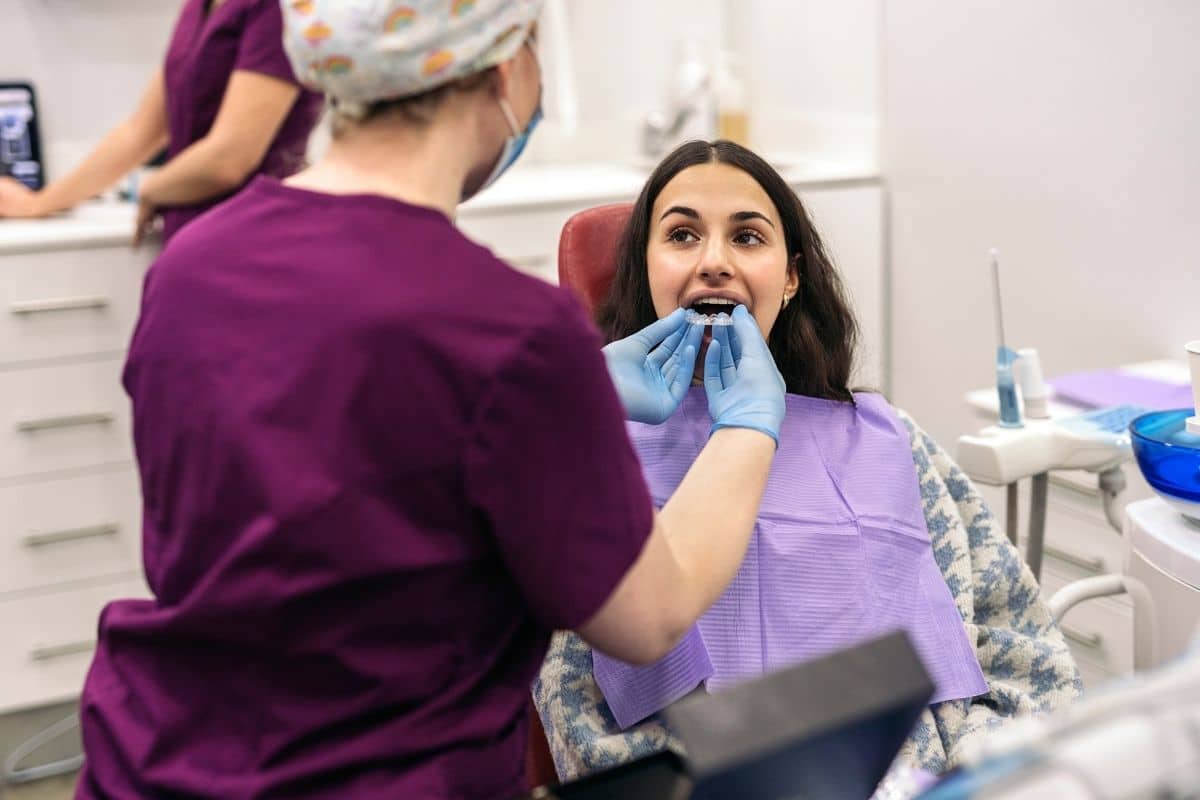
Clear aligners, such as Invisalign, have become increasingly popular among adults seeking orthodontic treatment. These aligners are removable and nearly invisible.
- Pros: Clear aligners are discreet and can be removed for eating and cleaning, making them a convenient option. They also tend to be more comfortable than traditional braces.
- Cons: Clear aligners may not be suitable for all orthodontic issues, particularly more complex cases. They also require a high level of discipline, as they must be worn for 20-22 hours a day to be effective.
The Process of Getting Braces as an Adult
Initial Consultation
The first step in getting braces as an adult is to schedule a consultation with an orthodontist. During this appointment, the orthodontist will evaluate your teeth, discuss your treatment goals, and recommend the best type of braces for your needs.
Treatment Planning
Once you decide to move forward with treatment, your orthodontist will create a customized treatment plan. This plan will outline the duration of your treatment, the type of braces you’ll be using, and any additional procedures that may be necessary.
Getting the Braces On
The process of getting braces typically involves several steps:
- Cleaning and Preparation: Your teeth will be thoroughly cleaned, and a conditioning solution will be applied to prepare your teeth for the brackets.
- Applying the Brackets: The orthodontist will attach the brackets to your teeth using a special dental adhesive.
- Placing the Archwires: The archwires, which are responsible for applying pressure to your teeth, are threaded through the brackets.
- Securing the Wires: Small elastic bands are used to hold the wires in place.
Adjustments and Maintenance
Throughout your treatment, you’ll need to visit your orthodontist regularly for adjustments. During these appointments, the orthodontist will tighten the wires and make any necessary changes to ensure your teeth are moving correctly.
Proper maintenance is crucial when you have braces. Here are some tips to keep your teeth and braces in good condition:
- Brush and Floss Regularly: It’s important to brush after every meal and floss at least once a day to remove food particles and prevent plaque buildup.
- Avoid Certain Foods: Hard, sticky, or chewy foods can damage your braces. It’s best to avoid these types of foods during your treatment.
- Use Orthodontic Wax: If you experience discomfort from the brackets or wires, orthodontic wax can help alleviate the irritation.
The Impact of Braces on Your Daily Life
Speech and Comfort
It’s common to experience some changes in your speech and comfort level when you first get braces. You may have a slight lisp or discomfort as your mouth adjusts to the braces. However, most people adapt within a few weeks.
Diet Adjustments
Wearing braces requires some adjustments to your diet. You’ll need to avoid foods that are hard, sticky, or crunchy, as they can damage your braces. Opt for softer foods that are easier to chew and less likely to cause problems.
Social and Professional Considerations
One of the biggest concerns for adults considering braces is the impact on their social and professional lives. While traditional metal braces are more noticeable, options like ceramic braces, lingual braces, or clear aligners offer more discreet alternatives. It’s important to remember that orthodontic treatment is temporary, and the benefits of a healthier, more attractive smile far outweigh the short-term inconvenience.
The Benefits of Getting Braces as an Adult
Improved Oral Health
One of the most significant benefits of getting braces as an adult is the improvement in oral health. Correcting misaligned teeth can make it easier to clean your teeth, reducing the risk of cavities and gum disease.
Enhanced Appearance
A straight, well-aligned smile can greatly enhance your appearance and boost your confidence. Many adults who undergo orthodontic treatment report feeling more self-assured in both social and professional settings.
Long-Term Investment
Orthodontic treatment is an investment in your long-term dental health. By addressing issues like crooked teeth or bite problems now, you can prevent more serious dental issues in the future.
Getting braces as an adult may seem daunting, but the benefits are well worth the effort. With a variety of treatment options available, you can find a solution that fits your lifestyle and helps you achieve the smile you’ve always wanted. Whether you’re seeking to improve your oral health or boost your confidence, embracing orthodontic treatment as an adult is a positive step toward a better future.