
(678) 578-5384

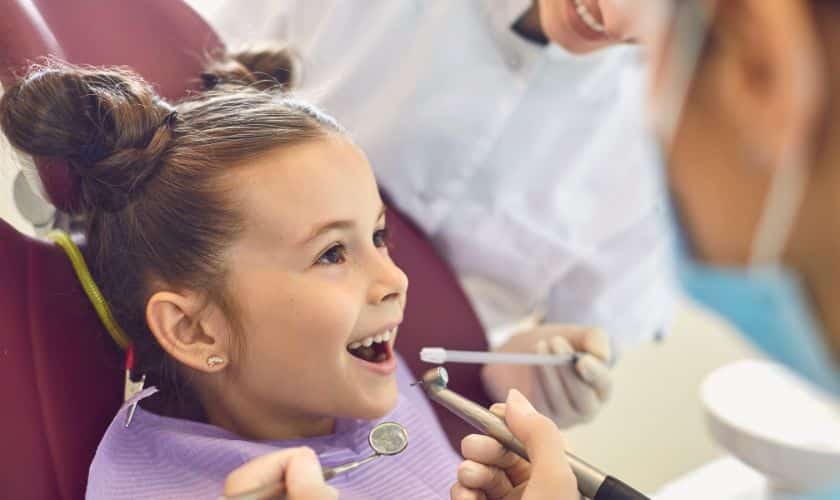
When we think of oral cancer, images of older adults who may have smoked or chewed tobacco for years often come to mind. However, a lesser-known fact is that oral cancer can affect individuals of any age, including children. While it’s rare for kids to develop oral cancer, it’s essential for parents and caregivers to understand the risk factors, symptoms, and preventive measures to ensure the health and well-being of their children’s oral cavity.
Understanding Oral Cancer in Children
Oral cancer in children is relatively uncommon, accounting for less than 1% of all cancer cases diagnosed in the pediatric population. Despite its rarity, it’s crucial to be aware of the possibility and take preventive steps to safeguard children’s oral health.
Risk Factors for Oral Cancer in Children
Several factors can contribute to the development of oral cancer in children, including:
- Genetic predisposition: Some genetic conditions may increase the risk of oral cancer in children. Conditions such as Fanconi anemia, dyskeratosis congenita, and certain inherited syndromes like Li-Fraumeni syndrome are associated with a higher risk of developing oral cancer at a young age.
- Exposure to carcinogens: While habits like smoking and chewing tobacco are more common in adults, children exposed to secondhand smoke or environmental carcinogens may also be at risk. Additionally, exposure to certain chemicals or radiation therapy for other medical conditions can increase the likelihood of developing oral cancer.
- Human papillomavirus (HPV) infection: HPV, particularly strains 16 and 18, has been linked to oral cancer in both adults and children. Children who engage in sexual activity or have a history of HPV infection may have an increased risk of developing oral cancer.
Signs and Symptoms of Oral Cancer in Children
Recognizing the signs and symptoms of oral cancer in children is crucial for early detection and prompt treatment. Some common indicators include:
- Persistent mouth ulcers or sores that do not heal
- Red or white patches on the gums, tongue, or lining of the mouth
- Swelling or lumps in the mouth or neck
- Difficulty chewing, swallowing, or speaking
- Unexplained bleeding in the mouth
- Chronic ear pain or sore throat
If any of these symptoms are present, it’s essential to consult a pediatric dentist or healthcare professional for a thorough evaluation.
Preventive Measures for Oral Cancer in Children
While it may not be possible to prevent all cases of oral cancer in children, certain measures can help reduce the risk:
- Regular dental check-ups: Scheduling regular dental visits with a pediatric dentist is crucial for maintaining oral health and detecting any abnormalities early on. A pediatric dentist in Cumming can provide comprehensive oral exams and screenings for oral cancer.
- Healthy lifestyle habits: Encouraging children to adopt healthy lifestyle habits, such as avoiding tobacco and limiting alcohol consumption, can significantly reduce their risk of developing oral cancer later in life.
- HPV vaccination: Vaccination against HPV can help prevent infection with the virus and reduce the risk of associated cancers, including oral cancer. Parents should talk to their healthcare provider about the HPV vaccine for their children.
- Sun protection: Overexposure to sunlight can increase the risk of lip cancer. Encourage children to use lip balm with SPF protection and wear hats or seek shade when outdoors for extended periods.
While oral cancer in children is rare, it’s essential for parents and caregivers to be vigilant about their children’s oral health. By understanding the risk factors, recognizing the signs and symptoms, and taking preventive measures, we can help protect our children from this potentially serious condition. Regular dental visits, healthy lifestyle choices, and vaccination against HPV are essential steps in promoting oral health and overall well-being. Remember, early detection and intervention are key to successful treatment outcomes, so don’t hesitate to consult a pediatric dentist in Cumming if you have any concerns about your child’s oral health.