
(678) 578-5384

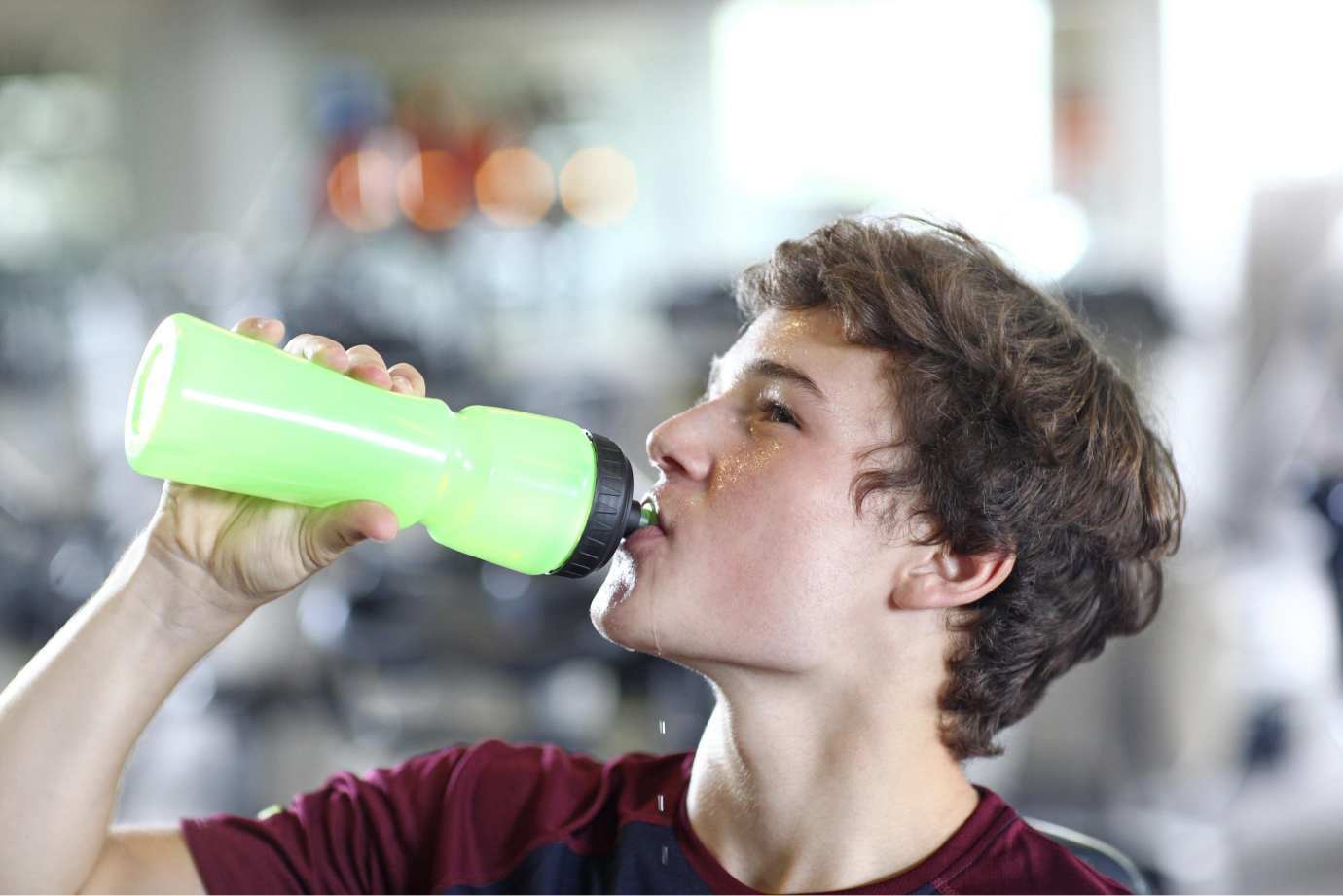
If your teenager has braces and regularly reaches for Gatorade, Powerade, Celsius, Red Bull, or another sports or energy drink, you may be wondering whether those drinks are doing more than quenching thirst.
They could be.
Sugar and acid can create a particularly challenging combination for teeth during orthodontic treatment.
Braces don’t automatically damage teeth. But brackets and wires can make it harder to clean every surface of the teeth, while frequent exposure to sugary or acidic beverages can increase the risk of cavities and enamel erosion.
For Cumming, GA parents, the goal isn’t necessarily to eliminate every sports drink from an athlete’s life. It’s understanding when these drinks are useful, how often your teen is drinking them, and how to protect their teeth while wearing braces.
Why Are Sports and Energy Drinks Hard on Teeth?
Sports drinks and energy drinks aren’t the same thing.
Sports drinks are generally designed to provide fluids and, in some circumstances, carbohydrates and electrolytes during prolonged, vigorous exercise.
Energy drinks typically contain caffeine and other stimulants and are marketed for alertness or energy.
From a dental perspective, however, both can create concerns because many contain sugar and acids.
The American Academy of Pediatrics reports that most sports and energy drinks are acidic, with many having a pH around 3-4. That level of acidity can contribute to enamel demineralization and dental erosion.
Frequent exposure matters because your teeth don’t get a break when a teenager sips the same drink repeatedly throughout the day.
What Happens When Your Teen Has Braces?
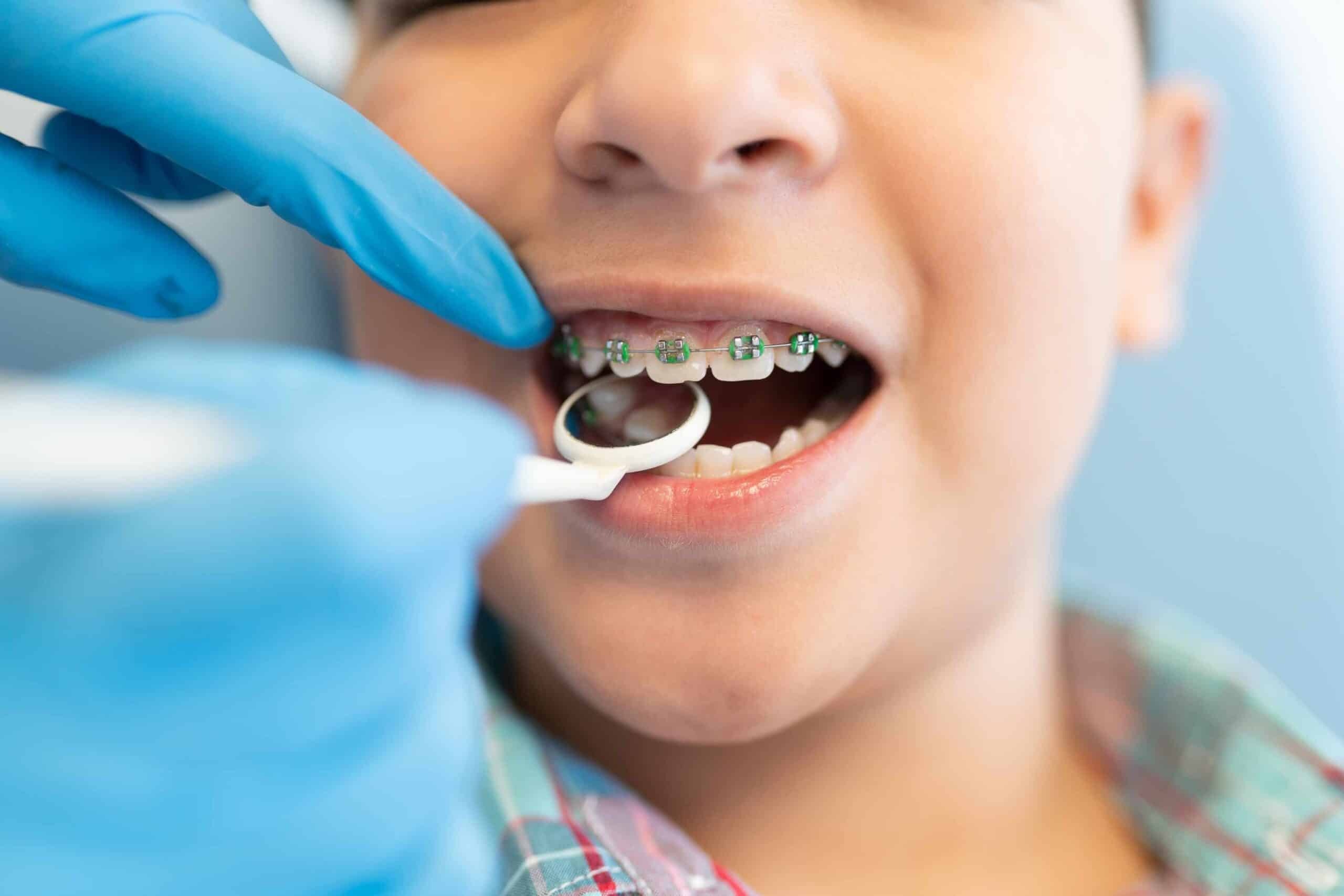
Braces create additional areas where plaque can accumulate.
Food particles and bacterial plaque can collect around brackets, wires, and along the gumline. If sugary drinks are consumed frequently, the bacteria in plaque can use those sugars to produce acids that attack the tooth surface.
That can contribute to white spot lesions, cavities, and enamel damage.
The orthodontic team at Cumming Pediatric Dentistry & Orthodontics notes that crowded or misaligned teeth can make thorough brushing and flossing more difficult and can contribute to longer-term dental complications.
Add frequent sugary or acidic drinks to that environment, and maintaining clean teeth becomes even more important.
Are Sports Drinks Better Than Energy Drinks?
They’re different, but neither should automatically be considered a healthy everyday drink for children.
The AAP distinguishes sports drinks from energy drinks and recommends that sports drinks be limited to situations where young athletes are participating in prolonged, vigorous physical activity. For most routine activities, water is the preferred choice.
Energy drinks are a different concern.
The AAP states that stimulant-containing energy drinks have no place in the diets of children and adolescents.
So if your teenager is drinking an energy drink before school, during homework, or simply because they feel tired, that’s very different from an athlete using a sports drink during prolonged, intense exercise.
What Are White Spots Around Brackets?
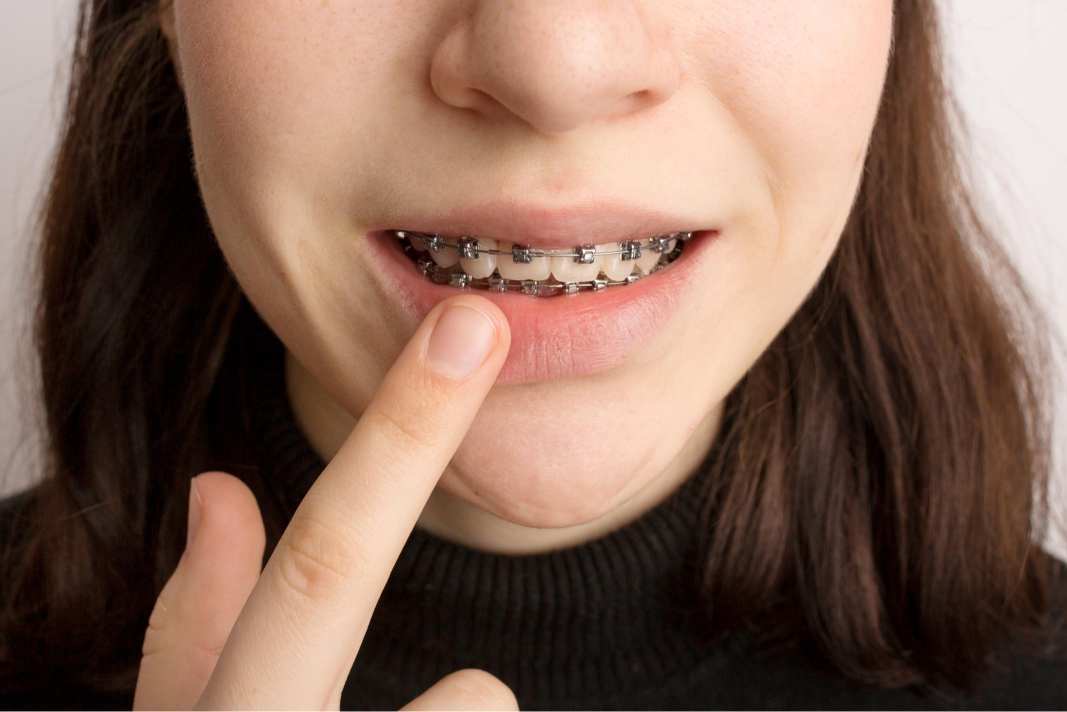
One of the biggest concerns for teens wearing braces is white spot lesions.
These can appear when minerals are lost from the enamel surface around orthodontic brackets.
They may look like chalky white areas surrounding the brackets.
White spots are often an early sign of enamel demineralization and can become more noticeable after braces are removed because the areas previously covered by brackets contrast with the surrounding enamel.
Frequent exposure to sugary and acidic beverages can make maintaining a healthy enamel surface more difficult. If you notice white marks around your teen’s brackets, don’t wait until braces are removed to mention them.
Bring the issue to your orthodontist or dentist.
Does Drinking Through a Straw Help?
A straw may reduce contact between a beverage and some tooth surfaces, but it doesn’t make a sugary or acidic drink harmless.
Your teen can still expose their mouth to sugar and acid, particularly if they’re drinking slowly or frequently.
The bigger issue is the consumption pattern.
Drinking an acidic beverage quickly with a meal is different from carrying a bottle around school and taking small sips every few minutes.
Frequent sipping creates repeated acid exposure.
For dental health, reducing the frequency of exposure is often more useful than relying on a straw as protection.
What If My Teen Is an Athlete?
This is where parents need to avoid an overly simplistic “never drink sports drinks” rule.
Sports drinks can have a legitimate role during prolonged, vigorous athletic activity, particularly when fluid, carbohydrate, and electrolyte replacement is needed.
The AAP specifically recognizes this limited use for young athletes while recommending water as the primary beverage for routine hydration.
If your teen plays football, soccer, basketball, lacrosse, or participates in long-distance training around Cumming, the appropriate hydration strategy can depend on the intensity and duration of the activity.
The problem is when a sports drink becomes an everyday beverage.
Using it at breakfast, in the school lunchroom, during short practices, and after getting home can expose the teeth to considerably more sugar and acid than necessary.
How Can Teens Protect Their Teeth With Braces?
A few simple habits can make a meaningful difference.
Choose water most often
For everyday hydration, plain water is the simplest option.
Limit frequent sipping
If a sports drink is appropriate during prolonged exercise, avoid sipping it continuously throughout the day.
Don’t brush immediately after acidic drinks
Acid can temporarily soften the enamel surface. Rinsing with water first and allowing some time before brushing can reduce additional mechanical wear.
Brush carefully around brackets
Your teenager should spend extra attention around brackets and along the gumline.
Clean between teeth
Floss threaders, interdental brushes, or other orthodontic cleaning tools can help reach areas a normal toothbrush may miss.
Keep regular dental appointments
Orthodontic appointments are not a replacement for routine dental examinations and cleanings.
Your teen needs both.
What About Sugar-Free Sports Drinks?
“Sugar-free” addresses one concern but not necessarily all of them.
A sugar-free beverage may contain less fermentable carbohydrate and therefore reduce the cavity risk associated with sugar. But if the drink is acidic, it can still contribute to enamel erosion.
So don’t assume:
Sugar-free = tooth-safe.
Check the beverage, consider how frequently your teen drinks it, and prioritize water whenever practical.
What Parents Should Watch For
If your teenager wears braces, watch for signs that may indicate a developing dental problem:
- White or chalky areas around brackets
- New tooth sensitivity
- Brown or dark spots
- Bleeding or swollen gums
- Persistent bad breath
- Plaque accumulating around brackets
- Tooth pain
- Difficulty cleaning around wires or brackets
Don’t wait for braces to come off before addressing these symptoms.
At Cumming Pediatric Dentistry & Orthodontics, the practice provides pediatric dental care and orthodontic treatment for children and teens, including traditional braces and clear aligner therapy.
For families in Cumming, Vickery, Sugar Hill, Suwanee, Johns Creek, Alpharetta, Dawsonville, and nearby Forsyth County communities, maintaining dental health during orthodontic treatment should be part of the overall treatment plan.
If you’re concerned about your teen’s teeth, braces, or beverage habits, schedule an appointment with the dental team.
You can also meet our doctors and learn more about the pediatric dental and orthodontic care available in Cumming.
The Bottom Line
Sports drinks aren’t automatically bad for every young athlete.
Energy drinks are a different story: the AAP recommends that children and adolescents avoid them because of their caffeine and stimulant content.
For teeth, the bigger concern is repeated exposure to sugar and acid.
When a teenager is wearing braces, maintaining excellent oral hygiene becomes more important because brackets and wires can make plaque removal harder.
The best everyday hydration choice remains simple:
Water.
If a sports drink is appropriate for prolonged, vigorous exercise, use it strategically rather than treating it as an all-day beverage.
And if your teen has white spots, sensitivity, gum inflammation, or other changes while wearing braces, have them checked before a small problem becomes a permanent one.
Frequently Asked Questions (FAQ’s)
Can sports drinks damage teeth with braces?
Yes, frequent consumption of sugary and acidic sports drinks can increase the risk of enamel erosion and cavities during orthodontic treatment.
Are energy drinks safe for teens with braces?
Energy drinks are not recommended for children and adolescents, and their acidity and sugar content can create additional dental concerns during orthodontic treatment.
Are sugar-free sports drinks better for teeth?
Sugar-free sports drinks may reduce sugar-related cavity risk but can still be acidic and potentially contribute to enamel erosion.
Should my teen drink water instead of sports drinks?
Water should generally be the primary hydration choice for children and teens, while sports drinks may have a limited role during prolonged, vigorous athletic activity.
How can I protect my teen’s teeth from drinks while they have braces?
Limit frequent sugary or acidic drinks, choose water most often, maintain careful brushing and interdental cleaning, and keep regular dental and orthodontic appointments.