

(678) 578-5384

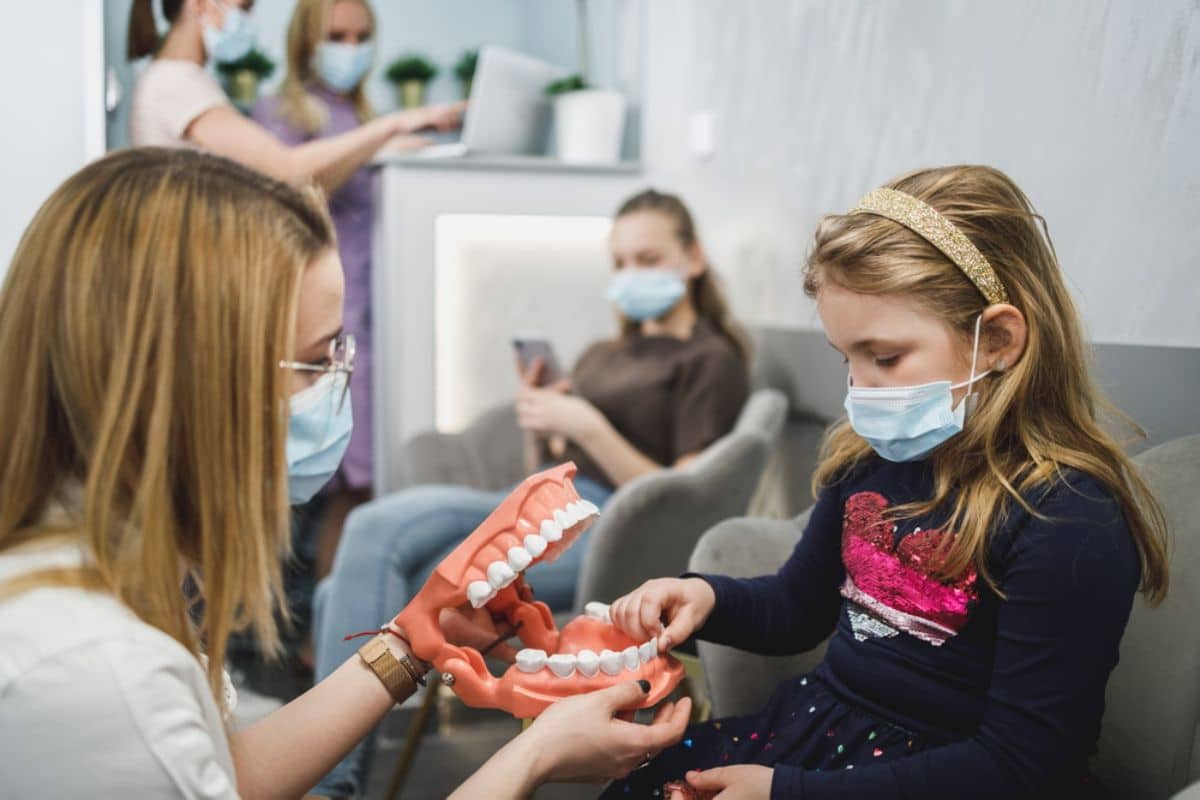
A visit to the dentist can be a source of anxiety for many children. An unfamiliar environment, strange instruments, and sounds can make even the bravest kids feel uneasy. As a parent, watching your child feel afraid of the dentist can be difficult, but there are ways to make the experience more positive and less stressful for everyone involved.
Understanding the source of dental fear is the first step. For some children, it’s the fear of pain, while others may feel overwhelmed by the unfamiliar setting or be influenced by stories they’ve heard from others. No matter the cause, dental anxiety can impact a child’s oral health if it prevents them from attending appointments or receiving the care they need.
Creating a Comfortable Environment Early On
Helping your child build a positive relationship with dental care starts long before they sit in the chair. Talking about the dentist in a calm, upbeat way at home can make a big difference. Explain what to expect using simple, reassuring language. Avoid using words like “hurt” or “pain” even when you’re trying to be comforting. Instead, focus on the benefits of healthy teeth and the friendly people who help keep their smiles clean.
Reading books or watching videos about dental visits can also help familiarize young children with what they might experience. The more they understand what’s coming, the less room there is for fear or uncertainty to grow.
When choosing a provider, finding a pediatric dental team that specializes in treating children is essential. A kids dentist in Cumming understands how to interact with young patients in ways that make them feel seen, heard, and safe. From a kid-friendly waiting area to a gentle approach in the treatment room, everything is tailored to ease anxiety.
Real Strategies That Make a Difference
Pediatric dentists use a variety of proven techniques to help children feel more comfortable. One of the most effective methods is “tell-show-do,” where the dentist explains what will happen, shows the tools in a non-threatening way, and then performs the procedure. This step-by-step approach helps reduce fear of the unknown.
Distraction is another powerful tool. Many dental offices now include screens, music, or toys to help take a child’s mind off the procedure. Encouraging a child to bring a favorite stuffed animal or blanket can also provide emotional comfort during a visit.
Positive reinforcement also plays an important role. Celebrating small milestones, like sitting calmly in a chair or opening wide for a cleaning, builds confidence. Over time, these small wins will help your child realize that going to the dentist is nothing to fear.
Some children may need extra support in the form of behavior guidance or even mild sedation. If your child’s fear is especially strong or tied to a past negative experience, a pediatric dentist can help create a treatment plan that prioritizes emotional safety while still delivering the care they need.
The Role of the Parent
Parents have a big influence on how their children perceive dental visits. Staying calm and supportive before and during the appointment sets the tone. Children are highly intuitive and can pick up on your emotions, so if you’re anxious, they might be too.
Let your child express their feelings and ask questions. Validating their emotions while offering reassurance helps build trust. After the visit, talk about what went well and praise their bravery. Reinforce the idea that the dentist is a helpful person who keeps their teeth strong and healthy.
Caring dental providers like Cumming Pediatric Dentistry & Orthodontics are trained to work with all kinds of personalities, including children who are nervous or fearful. Their team takes the time to get to know each child, creating a personalized and comforting experience that supports both physical and emotional health.
Over time, what may start as fear can transform into confidence. When kids feel safe and respected at the dentist, they are more likely to maintain regular visits and develop lifelong healthy habits. The key is patience, preparation, and a supportive dental team that understands children’s unique needs.