
(678) 578-5384

Getting your braces off is an exciting milestone in your orthodontic journey. After months (or even years) of wearing braces, you finally get to see the results of all your hard work. However, the process doesn’t end when the braces come off. There are several important steps to follow to ensure your newly straightened teeth stay that way. This blog will walk you through what to expect after your braces are removed, from the post-removal care to the next phase of your treatment.
1. The Braces Removal Process
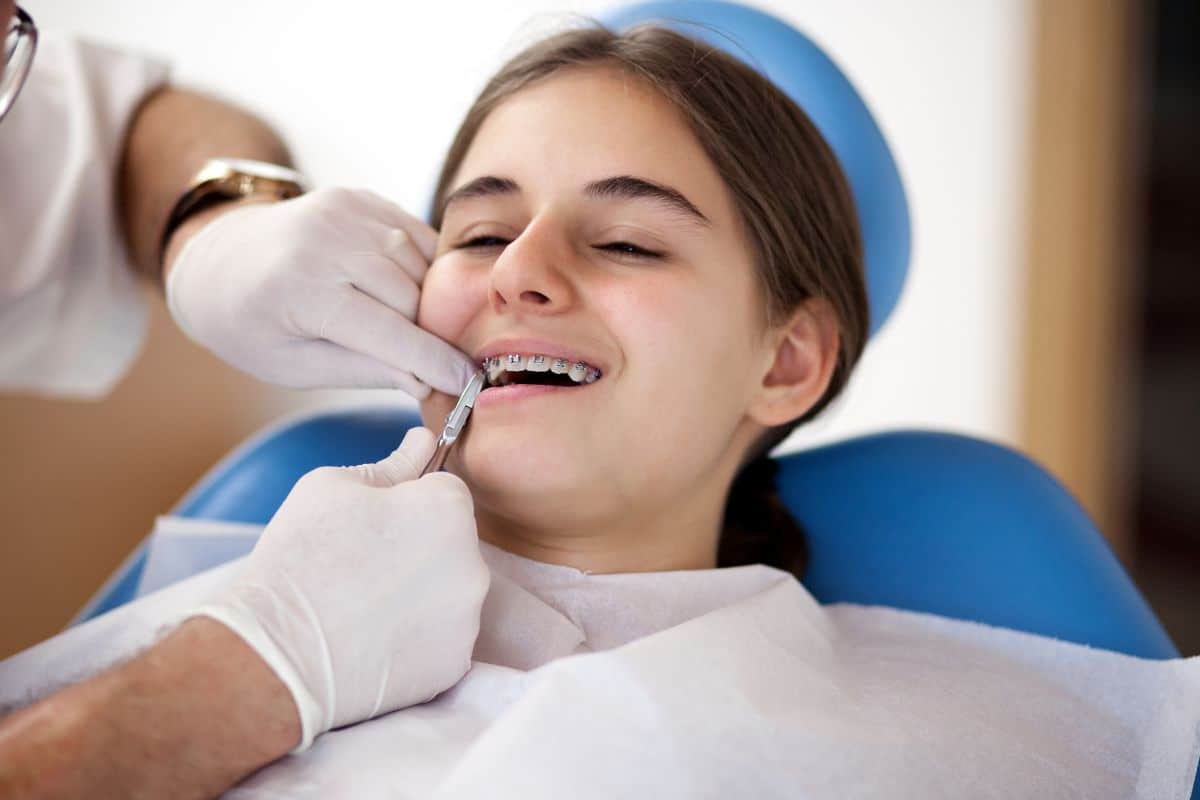
Before diving into the aftercare, it’s helpful to understand the process of getting your braces off. Removing braces is a relatively quick and painless procedure that generally takes about an hour. Your orthodontist will carefully loosen the brackets from your teeth and remove the wires. Once the brackets are off, any adhesive remaining on your teeth will be cleaned off, leaving your teeth smooth and polished.
While it may initially feel odd, most people report feeling immediate relief once the braces are off. You might also notice your teeth feeling a bit sensitive afterward, especially when eating or drinking.
2. Immediate Aftercare: Cleaning and Polishing
Once your braces are removed, your orthodontist will thoroughly clean and polish your teeth. This step is important because the area around your brackets might have trapped plaque and tartar that can be hard to remove during normal brushing. After your teeth are cleaned, they will be polished to give them a smooth and shiny appearance.
It’s common to feel a little discomfort after the procedure as your teeth adjust to their new positions. If your gums are sensitive, you can rinse with warm salt water to soothe any irritation.
3. Retainers: The Next Essential Step
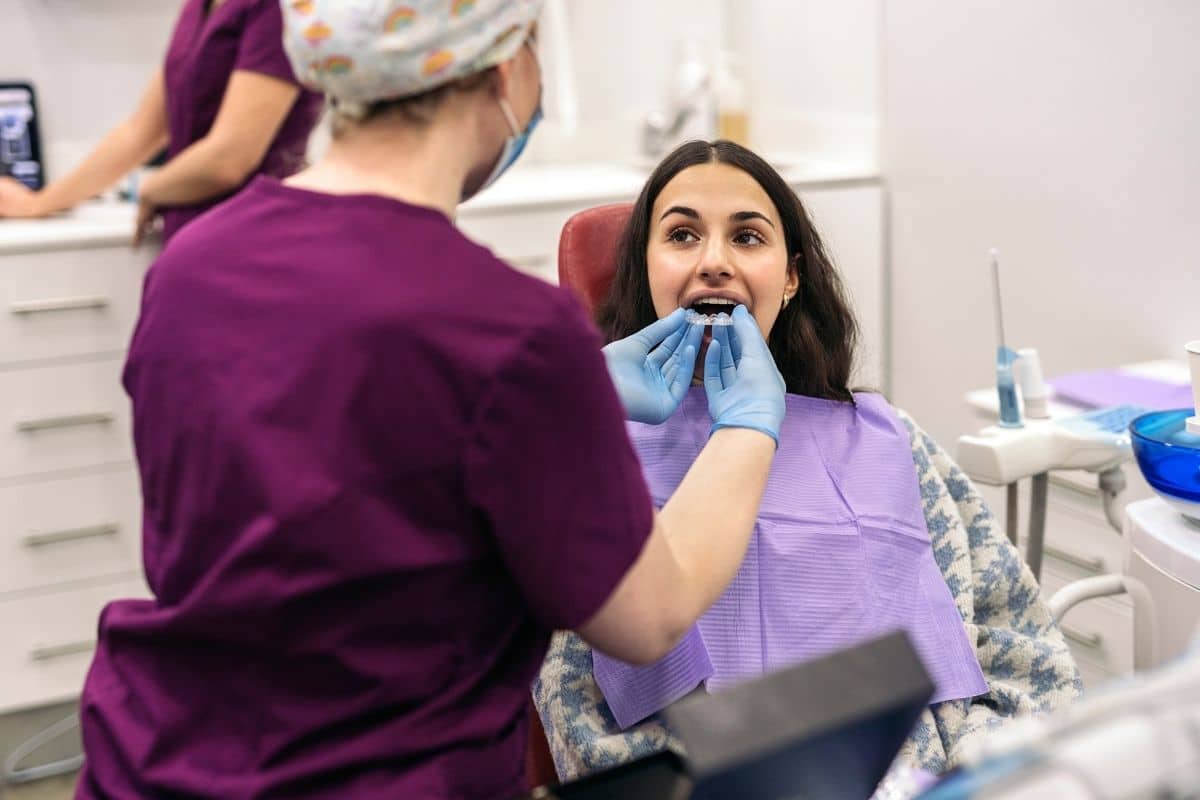
One of the most important things that happens after your braces are removed is the transition to wearing retainers. Retainers are designed to hold your teeth in new positions and prevent them from returning to their original alignment. Without a retainer, your teeth may gradually return to their previous positions.
There are a few types of retainers:
- Fixed Retainers: These are bonded directly to the back of your teeth and stay in place permanently or for an extended period.
- Removable Retainers: These can be taken in and out, typically worn at night or for a prescribed number of hours during the day.
Your orthodontist will advise you on which type of retainer is best for you and how long you should wear it each day.
4. Adjusting to Your New Smile
After your braces are removed and you’re fitted with your retainer, it’s time to get used to your new smile. You might experience some discomfort as your teeth settle into their new positions. This is normal, but it usually subsides within a few days.
Many people also notice that their teeth may feel a bit loose after braces are removed. This is also temporary as your teeth adjust to their final position. Over time, your teeth will stabilize, and you’ll feel more comfortable.
5. Maintaining Your New Smile
Now that your braces are off, it’s important to maintain your oral hygiene routine to keep your teeth healthy. After wearing braces for a long time, it’s essential to keep your teeth clean and free of plaque to ensure they remain beautiful and healthy.
Here are a few tips to keep in mind:
- Brush and Floss Regularly: To maintain healthy gums and teeth, it’s essential to brush at least twice a day and floss once.
- Use Fluoride Toothpaste: Fluoride helps to remineralize teeth and keep them strong after orthodontic treatment.
- Visit Your Dentist Regularly: Regular checkups with your general dentist are crucial for ensuring that your teeth and gums stay healthy.
6. The First Few Weeks After Braces Removal
In the first few weeks after having your braces removed, you may experience some mild discomfort or sensitivity. This is because your teeth were under constant pressure for a long time and need time to adjust. Your orthodontist may recommend over-the-counter pain relief or a special toothpaste for sensitive teeth.
You might also notice that your teeth feel slightly uneven or different when you chew, but this will improve as your mouth gets used to the new positions.
7. Keeping Your Teeth in Place Long-Term
Wearing a retainer as prescribed by your orthodontist is key to maintaining your results. If you don’t wear your retainer, there’s a chance that your teeth will slowly shift back to their original positions.
Additionally, it is important to avoid habits that can shift your teeth, such as teeth grinding, chewing on pens or pencils, or biting your nails. Being mindful of these habits can help preserve your orthodontic results.
8. Enjoying Your New Smile
The best part of having your braces removed is finally being able to show off your new smile. The transformation can be remarkable whether you’ve had braces for a year or several. It’s a good idea to take some time to appreciate the hard work that went into getting your teeth to this point.
While your teeth are now straight, they still require regular care. Maintaining good oral hygiene and following your orthodontist’s instructions will help you keep your smile bright for years to come.
Conclusion
Getting your braces off is a big step in your orthodontic journey, but it’s just the beginning of maintaining your beautiful, straight smile. After the braces are removed, you’ll need to follow a few essential steps to ensure your teeth stay in place. Wearing a retainer as prescribed, keeping up with your oral hygiene, and avoiding habits that could reverse your hard work will help you enjoy your new smile for a lifetime. Remember, your orthodontist will be there to guide you through this next phase of your journey.
If you’re in the Cumming area and need professional orthodontic care, reach out to an experienced orthodontist in Cumming to ensure the best results for your smile.