
(678) 578-5384


When it comes to dental care, timing is key. Many people wonder at what age they should start considering orthodontic treatment. Is it best to address dental issues in childhood, or is there an optimal time in adulthood? Understanding the best age to visit an orthodontist can help you make informed decisions about your oral health. Let’s delve into this topic and shed light on when it’s ideal to seek orthodontic evaluation and treatment.
Childhood: The Prime Time for Orthodontic Evaluation
Orthodontic issues often start to manifest during childhood. The American Association of Orthodontists recommends that children have their first orthodontic evaluation by the age of 7. This might seem early, but it’s an important age because it’s when the first adult molars typically emerge, establishing the back bite.
By this age, some common orthodontic problems, such as crowding, crossbites, and protruding front teeth, may become apparent. Early intervention allows orthodontists in Cumming to detect and address these issues before they worsen, often resulting in simpler and less invasive treatment options.
During the initial evaluation, an orthodontist in Cumming will assess the alignment of the teeth, jaw development, and bite relationship. While not all children will require immediate treatment, early detection enables orthodontists in Cumming to monitor growth and development, intervening when necessary to guide the teeth into proper alignment.
Adolescence: The Traditional Time for Braces
Adolescence, particularly the pre-teen and teenage years, is the most common time for orthodontic treatment. This is because most of the permanent teeth have erupted by this stage, making it easier for orthodontists in Cumming to address alignment issues effectively.
Between the ages of 11 and 14, the jaw is still growing, which means it’s more responsive to orthodontic treatment. Braces, aligners, and other orthodontic appliances can be used during this time to correct a wide range of issues, including crooked teeth, gaps, overbites, underbites, and more.
Aside from the physical benefits of orthodontic treatment during adolescence, there are also psychological advantages. Many teenagers are more conscious of their appearance, and addressing orthodontic concerns can boost their self-esteem and confidence during these formative years.
Adulthood: It’s Never Too Late for Orthodontic Treatment
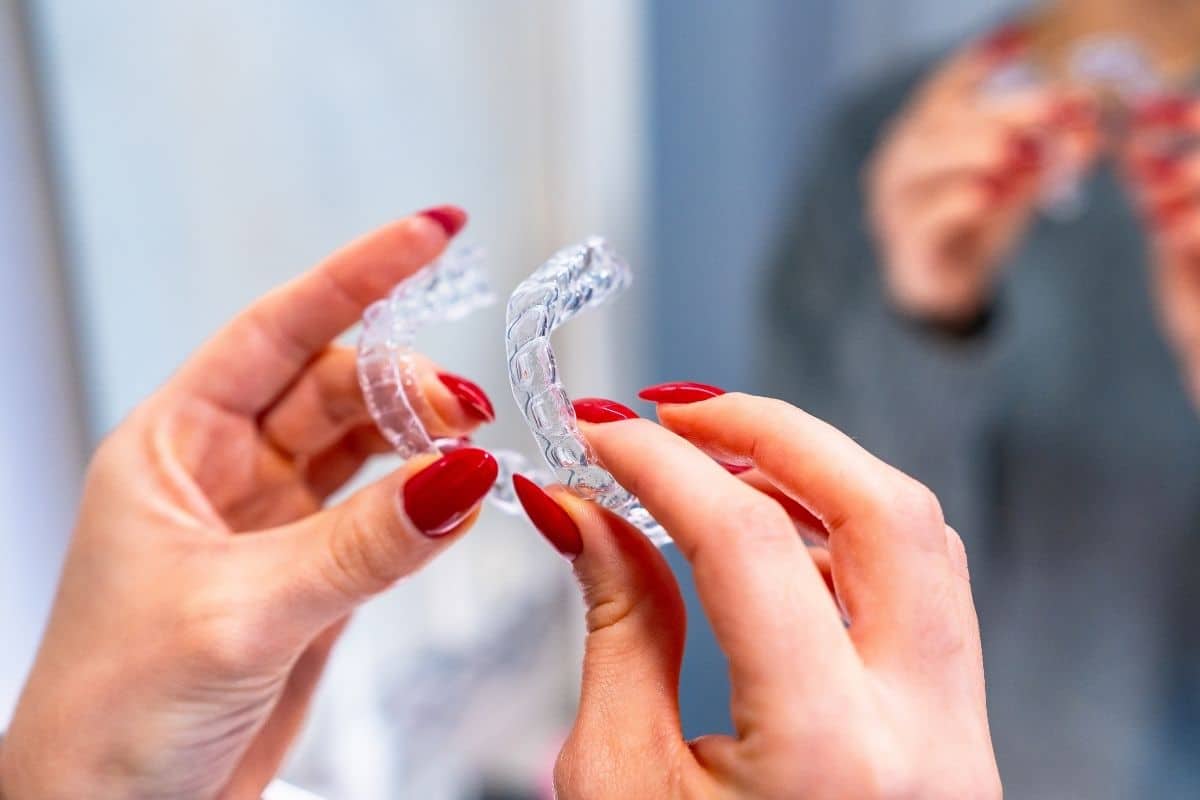
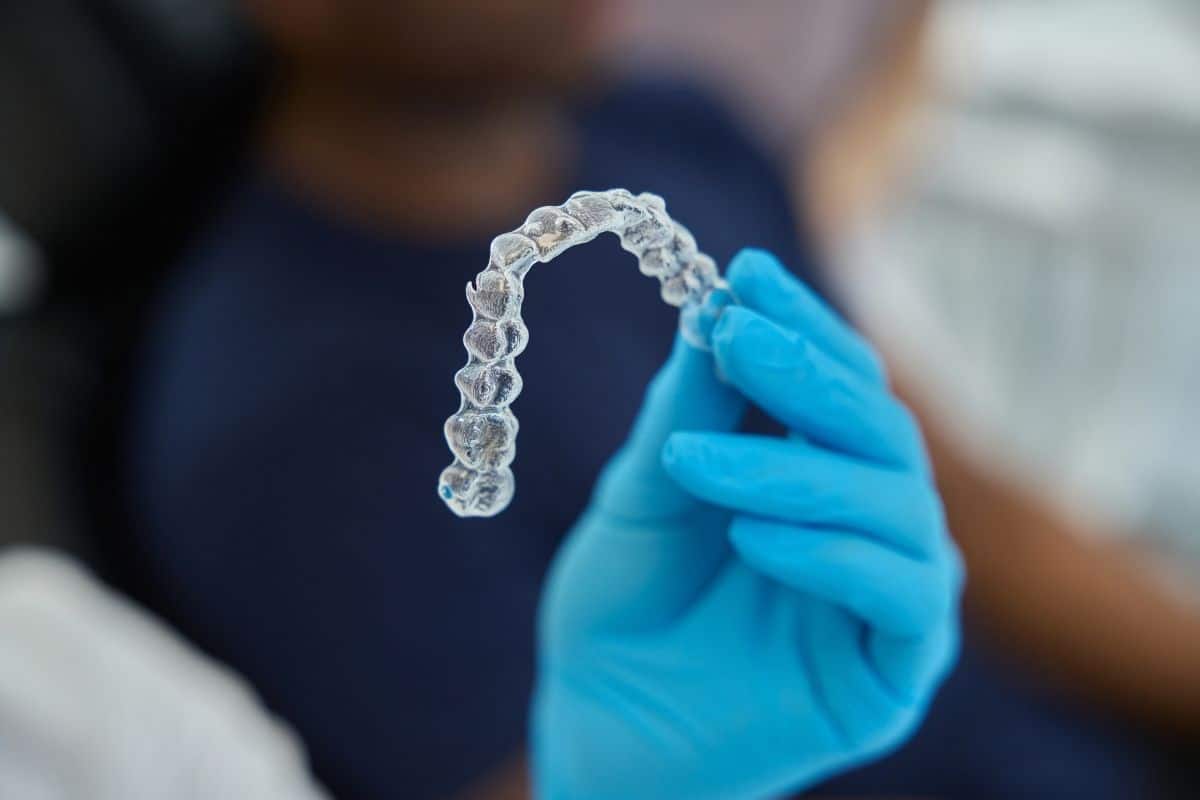
While adolescence is often considered the ideal time for orthodontic treatment, it’s never too late to achieve a straighter, healthier smile. More adults are seeking orthodontic treatment than ever before, thanks to advancements in technology and the availability of discreet options such as clear aligners.
Adult orthodontic treatment can address various concerns, including misaligned teeth, bite issues, and overcrowding. In some cases, adults may also require orthodontic treatment to prepare for other dental procedures, such as implants or bridges.
One of the advantages of seeking orthodontic treatment as an adult is the ability to make informed decisions about your oral health. Adults are typically more motivated to comply with treatment recommendations, leading to successful outcomes.
Factors Influencing the Best Age for Orthodontic Treatment
While there are recommended ages for orthodontic evaluation and treatment, several factors can influence the best time to seek care:
- Severity of Orthodontic Issues: The complexity of the orthodontic problem will influence when treatment should begin. Severe issues may require early intervention, while mild to moderate concerns can often wait until adolescence.
- Individual Growth and Development: Every child develops at their own pace. Some may benefit from early intervention, while others may not require treatment until later in adolescence.
- Patient Preferences: Ultimately, the decision to pursue orthodontic treatment rests with the individual or their parents/guardians. Factors such as lifestyle, financial considerations, and personal preferences can all play a role in determining the timing of treatment.
- Orthodontist’s Recommendation: Orthodontists in Cumming are trained to assess each patient’s unique needs and recommend a treatment plan tailored to achieve the best results. Trusting their expertise is essential in determining the most appropriate age for orthodontic intervention.
The best age to visit an orthodontist depends on various factors, including the individual’s orthodontic needs, growth and development, and personal preferences. While childhood and adolescence are commonly recommended times for orthodontic evaluation and treatment, adults can also benefit from orthodontic care.
Whether you’re considering treatment for yourself or your child, early evaluation by an orthodontist in Cumming can help identify any potential issues and determine the most appropriate course of action. By seeking timely orthodontic care, you can achieve a straighter, healthier smile that lasts a lifetime.