
(678) 578-5384

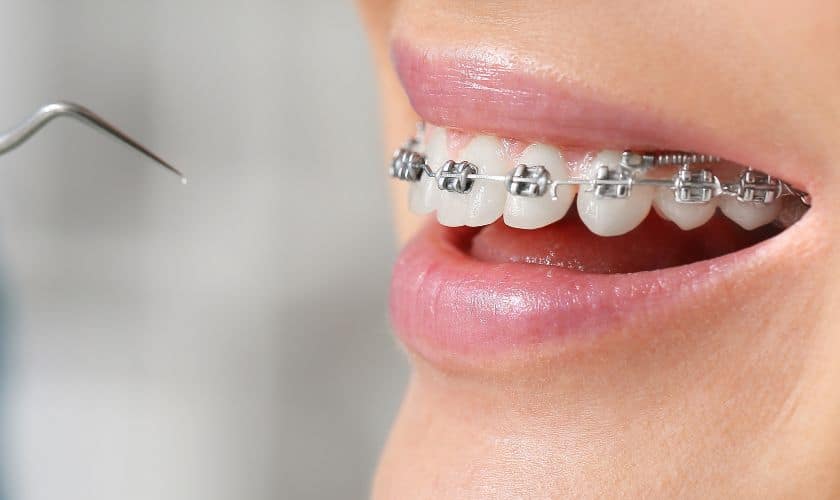
Orthodontic care plays a crucial role in achieving a healthy and confident smile. However, many people have questions and concerns about orthodontic treatments. In this comprehensive guide, we’ll address frequently asked questions about orthodontic care with insights from experts in the field.
1. What is Orthodontics?
Orthodontics is a specialized branch of dentistry that focuses on the diagnosis, prevention, and treatment of dental and facial irregularities. These irregularities often involve the alignment of teeth and jaws. Orthodontic care aims to improve the function and aesthetics of a person’s bite, leading to a healthier, more attractive smile.
2. At What Age Should Orthodontic Treatment Begin?
Orthodontic treatment can begin at any age, but the optimal time often depends on individual circumstances. The American Association of Orthodontists recommends an initial orthodontic evaluation for children around the age of 7. This early assessment helps identify potential issues and allows for timely intervention if necessary. However, orthodontic treatment is not limited to children; many adults also benefit from orthodontic care.
3. Are Braces the Only Option for Orthodontic Treatment?
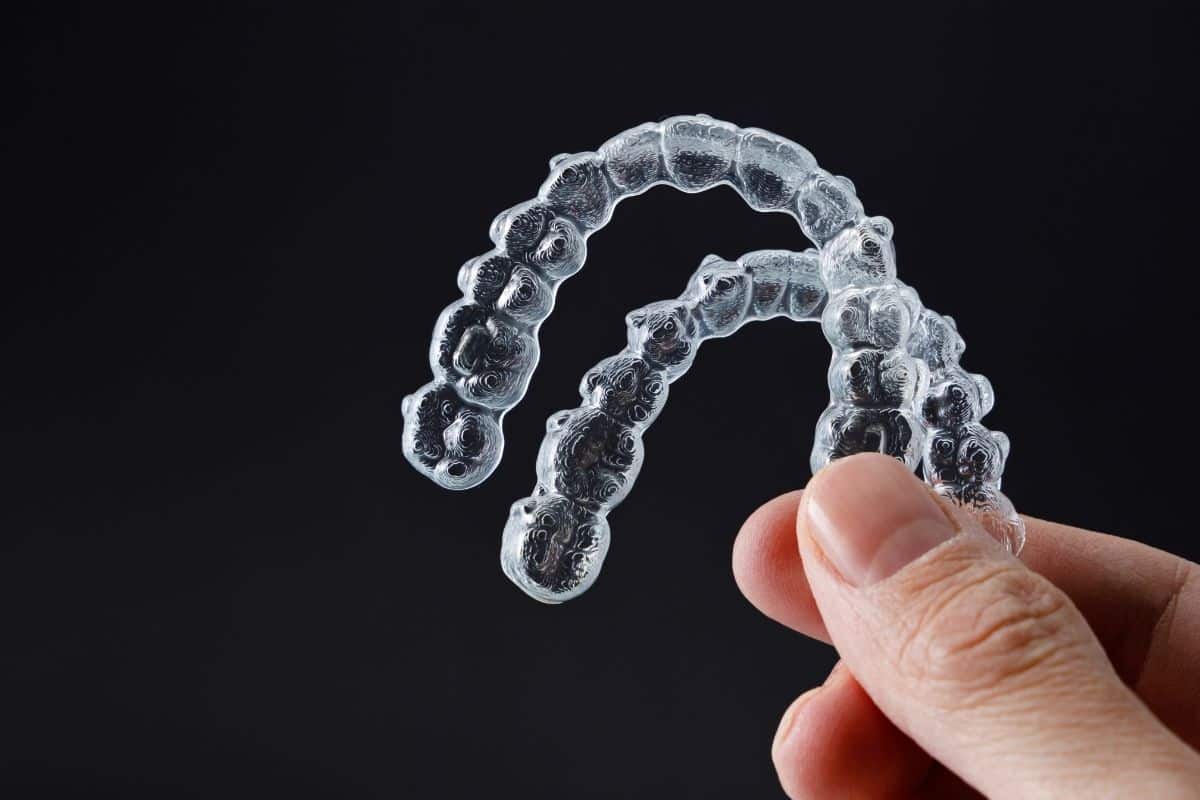
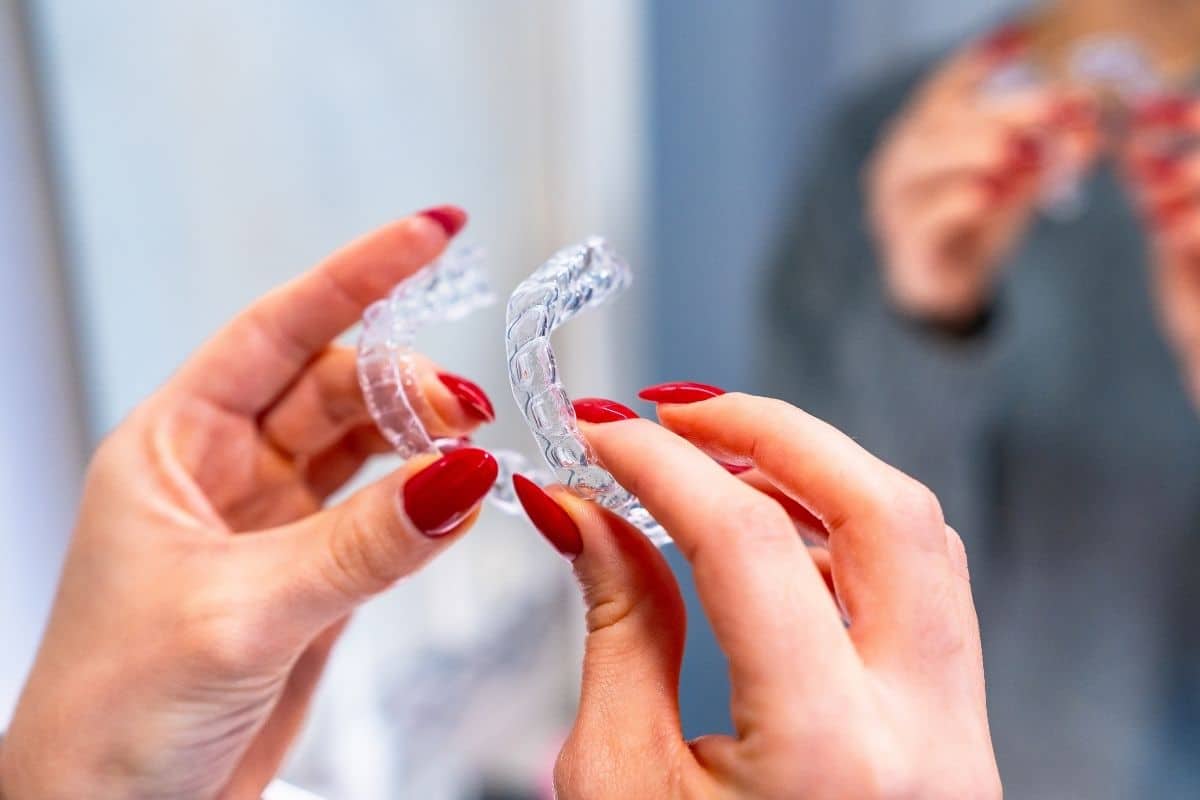
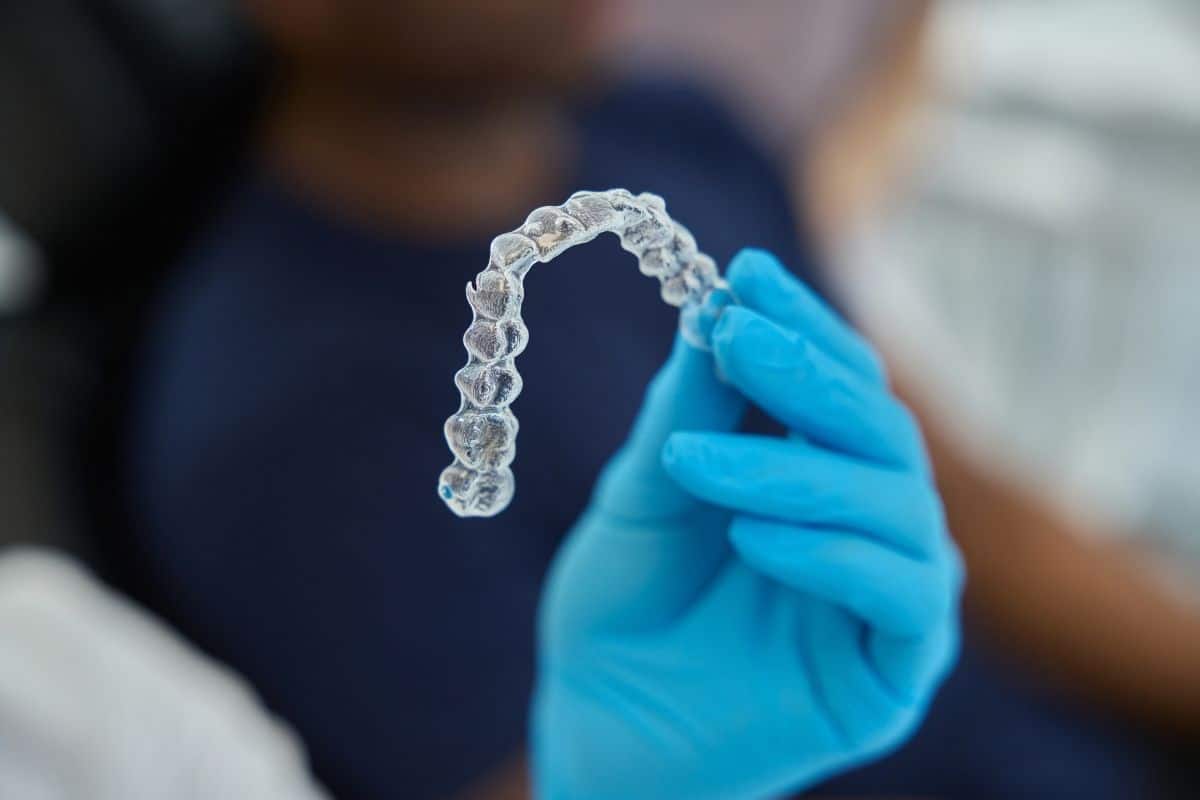
While traditional braces are a widely known orthodontic treatment, they are not the only option. Advances in orthodontic technology have led to the development of various alternatives. Invisalign, for instance, uses clear aligners to gradually move teeth into the desired position, offering a more discreet option compared to traditional braces. Lingual braces, which are attached to the back of the teeth, are another less visible alternative.
4. How Long Does Orthodontic Treatment Take?
The duration of orthodontic treatment varies based on the severity of the case, the type of treatment, and individual’s response to the intervention. On average, treatment with traditional braces may take anywhere from 18 months to three years. In contrast, Invisalign treatments may have a shorter duration, often ranging from 12 to 18 months. It’s crucial to consult with an Cumming orthodontist to get a personalized estimate based on your specific needs.
5. Does Orthodontic Treatment Hurt?
While it’s normal to experience some discomfort or soreness after getting braces or other orthodontic appliances, the level of pain is typically mild and temporary. Pain may arise from the pressure exerted on the teeth during adjustments. Over-the-counter pain relievers and orthodontic wax can help alleviate any discomfort. With Invisalign, patients may experience minimal discomfort during the adjustment period, and there are no metal brackets or wires to irritate.
6. Can I Continue Playing Sports with Braces?
Engaging in sports with braces is entirely possible, but it’s crucial to take precautions to protect both the braces and the athlete. Wearing a mouthguard designed for orthodontic patients can prevent injuries to the mouth and braces. Cumming Orthodontists often recommend custom-made mouthguards for optimal protection. In the case of contact sports, additional protective gear may be advisable.
7. Is Orthodontic Treatment Covered by Insurance?
Orthodontic treatment is often considered a specialized dental procedure, and coverage varies among insurance plans. Some dental insurance plans provide partial coverage for orthodontic treatment, while others may not cover it at all. It’s essential to review your insurance policy or consult with your insurance provider to understand the extent of coverage for orthodontic care. Many orthodontic practices also offer financing options to help make treatment more accessible.
8. What Happens After Orthodontic Treatment?
Once orthodontic treatment is complete, patients transition to the retention phase. Retainers are commonly used to maintain the newly achieved alignment of teeth. The type of retainer and the duration of wear depend on individual factors and the Cumming orthodontist’s recommendations. Regular follow-up appointments are crucial during the retention phase to monitor the stability of the results and address any potential issues promptly.
9. Can I Whiten My Teeth While Wearing Braces?
Teeth whitening during orthodontic treatment requires careful consideration. While traditional whitening methods may not be suitable for those with braces, there are alternatives available. Some orthodontic practices offer tooth-colored brackets and wires to minimize the visual impact of braces. Once the braces are removed, professional teeth whitening treatments can be considered to enhance the overall aesthetics of the smile.
10. How Can I Maintain Oral Hygiene with Braces?
Maintaining good oral hygiene is crucial during orthodontic treatment to prevent issues such as cavities and gum disease. Orthodontic patients should be diligent about cleaning their teeth, brackets, and wires. Specialized brushes, floss threaders, and interdental brushes can help reach areas that traditional tools may miss. Regular dental check-ups and cleanings are also essential to address any concerns promptly.
In conclusion, orthodontic care is a valuable investment in both oral health and confidence. By addressing common questions and concerns, we hope to provide clarity and encourage individuals to take proactive steps toward achieving a straighter, healthier smile. If you have specific questions about your orthodontic needs, consult with a qualified Cumming orthodontist for personalized guidance and recommendations.