
(678) 578-5384

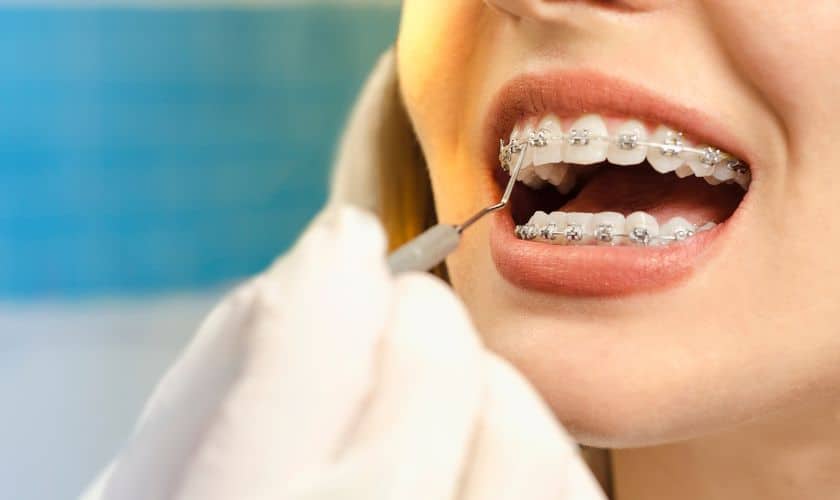
Crowded teeth are a common dental issue that can affect both the appearance of your smile and the health of your mouth. If you’re dealing with crowded teeth, you might be wondering how orthodontists can help you achieve a straighter, more functional smile. In this blog, we’ll explore the methods and treatments orthodontists use to fix crowded teeth.
Understanding Crowded Teeth
Crowded teeth occur when there isn’t enough space in the jaw for all of the teeth to fit normally. This can cause teeth to overlap, twist, and push against each other. There are several reasons why teeth may become crowded:
- Genetics: Inherited traits such as jaw size and tooth size can contribute to crowding.
- Early or Late Loss of Baby Teeth: Losing baby teeth too early or too late can affect the alignment of adult teeth.
- Thumb Sucking: Prolonged thumb sucking can influence the position of teeth.
- Injury: Trauma to the mouth can alter the alignment of teeth.
Orthodontists are specially trained to diagnose and treat crowded teeth. By visiting an orthodontist in Cumming, you can get a personalized treatment plan designed to address your specific needs.
Initial Consultation and Diagnosis
The first step in fixing crowded teeth is an initial consultation with an orthodontist. During this visit, the orthodontist will:
- Examine Your Teeth: A thorough examination of your teeth and gums will be conducted.
- Take X-rays and Photographs: These images help the orthodontist see the position of your teeth and roots.
- Create Impressions: Dental impressions or digital scans of your teeth may be taken to create a model of your mouth.
With this information, the orthodontist in Cumming will be able to determine the severity of your crowding and develop a treatment plan.
Treatment Options for Crowded Teeth
Orthodontists use several methods to fix crowded teeth, depending on the extent of the crowding and the patient’s specific needs. Here are some of the most common treatments:
Braces
Braces are one of the most effective treatments for crowded teeth. They consist of brackets attached to each tooth and connected by wires. The orthodontist adjusts the wires periodically to move the teeth into the desired position gradually. There are different types of braces available:
- Metal Braces: Traditional metal braces are highly effective and are often the best choice for severe crowding.
- Ceramic Braces: These braces are similar to metal braces but use tooth-colored brackets to make them less noticeable.
- Lingual Braces: Placed on the inside of the teeth, lingual braces are hidden from view but can be more challenging to clean and adjust.
Clear Aligners
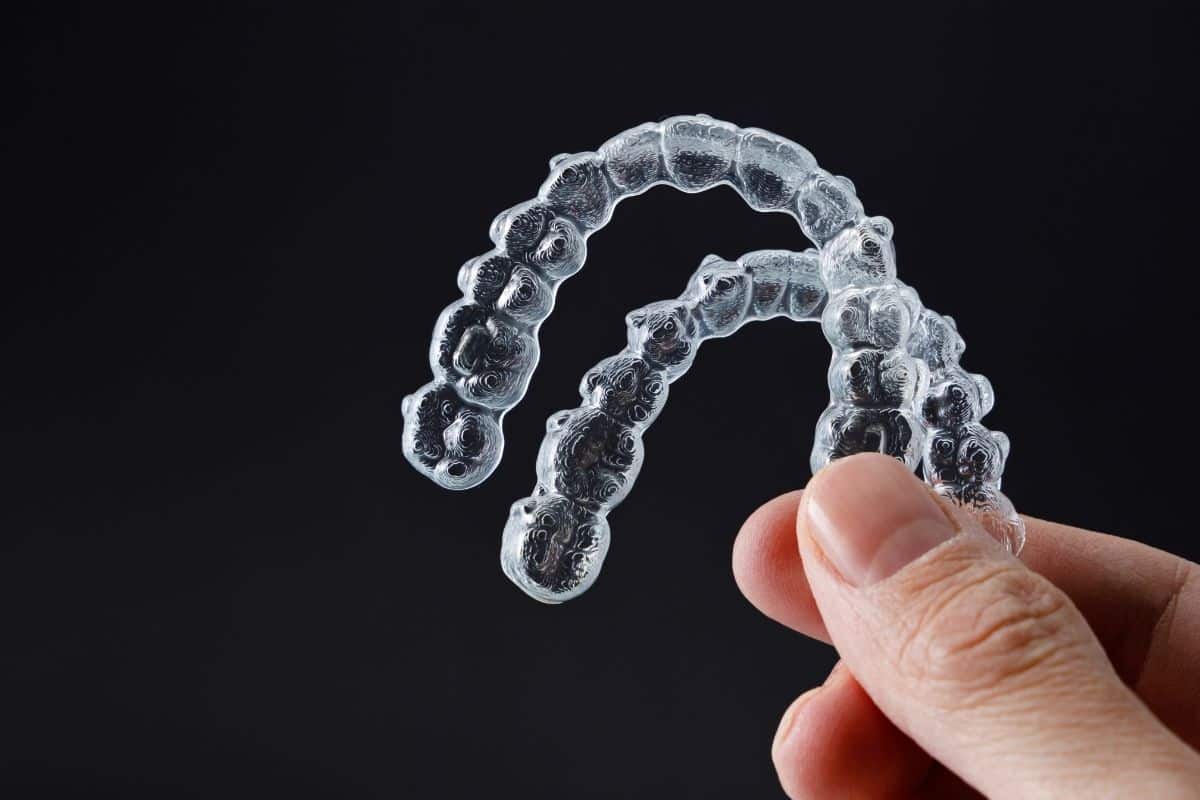
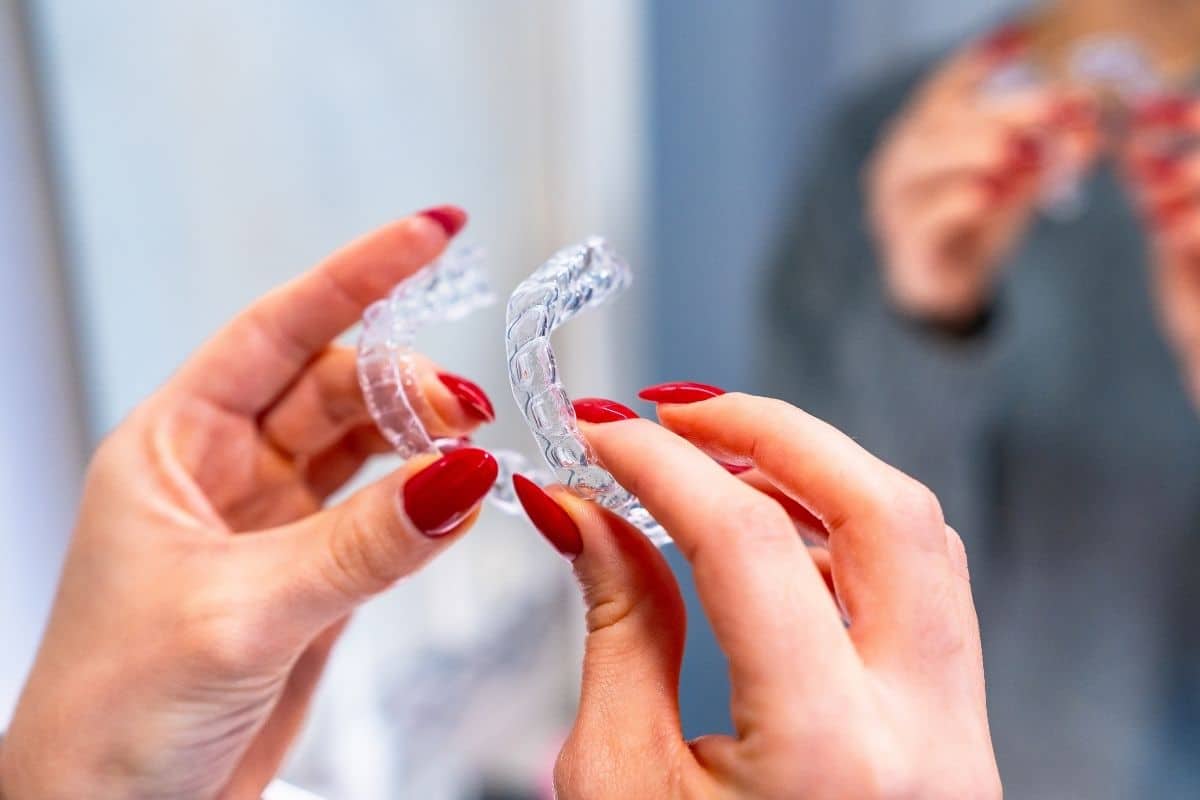
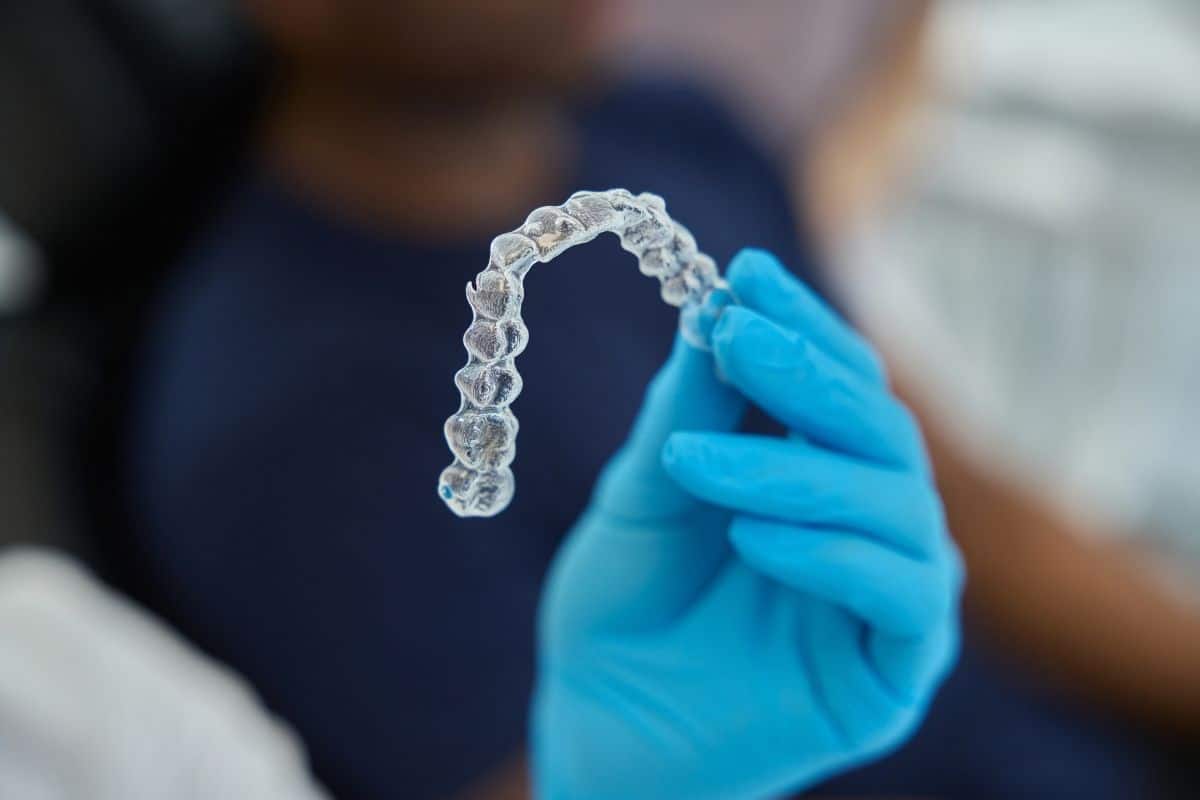
Clear aligners, such as Invisalign, are a popular alternative to braces. These custom-made, removable trays gradually shift teeth into place. Clear aligners are nearly invisible and can be taken out for eating and cleaning, making them a convenient option for many patients. Treatment with clear aligners typically involves wearing a new set of aligners every one to two weeks, with regular check-ups to monitor progress.
Tooth Extraction
In cases of severe crowding, tooth extraction may be necessary to create enough space for the remaining teeth to align properly. The orthodontist will carefully consider which teeth to remove, usually focusing on the premolars. After extraction, braces or aligners are used to close the gaps and straighten the teeth.
Palatal Expanders
For younger patients with developing jaws, a palatal expander may be used to widen the upper jaw and create more space for the teeth. This device is typically attached to the upper molars and gradually widened over time. Palatal expanders are most effective when used before the growth plates in the jaw have fused, usually in children and pre-teens.
Maintaining Your Results
Once the treatment for crowded teeth is complete, maintaining the results is crucial. Orthodontists usually recommend the use of retainers to keep the teeth in their new positions. There are two main types of retainers:
- Fixed Retainers: Bonded to the back of the teeth, these retainers are permanent and provide continuous support.
- Removable Retainers: These can be taken out for cleaning and eating but must be worn as directed by the orthodontist.
Regular dental check-ups and good oral hygiene are also essential to keep your teeth healthy and prevent future crowding.
Benefits of Fixing Crowded Teeth
Correcting crowded teeth with the help of an orthodontist in Cumming offers numerous benefits:
- Improved Oral Health: Straight teeth are easier to clean, reducing the risk of cavities, gum disease, and other dental problems.
- Enhanced Appearance: A straighter smile can boost your confidence and improve your overall appearance.
- Better Function: Properly aligned teeth function more efficiently, making it easier to bite, chew, and speak.
Choosing the Right Orthodontist in Cumming
When looking for an orthodontist in Cumming to fix your crowded teeth, consider the following factors:
- Experience and Credentials: Ensure the orthodontist is board-certified and has experience treating crowded teeth.
- Patient Reviews: Look for testimonials and reviews from previous patients to gauge their satisfaction with the treatment and results.
- Consultation: Schedule a consultation to discuss your concerns and treatment options. A good orthodontist will take the time to explain the process and answer any questions you may have.
Fixing crowded teeth is a journey that can lead to a healthier, more beautiful smile. By seeking treatment from a qualified orthodontist in Cumming, you can achieve the best possible outcome and enjoy the benefits of a well-aligned, functional smile.