
(678) 578-5384


Orthodontic treatment is often a topic of concern for those considering improving their smile. One of the most common questions asked is whether the treatment is painful. If you’re contemplating visiting an orthodontist for braces or other corrective procedures, understanding what to expect in terms of discomfort can help alleviate any apprehensions.
Understanding Orthodontic Treatment
Orthodontic treatment aims to align and straighten teeth to improve their appearance and functionality. It involves the use of devices such as braces, clear aligners, or retainers to gradually move teeth into their correct positions. While the result is a beautifully aligned smile, the process itself involves adjustments that can cause some discomfort.
Types of Orthodontic Appliances
- Traditional Braces: These consist of brackets bonded to teeth and connected by wires. Adjustments are made periodically to tighten the wires, which gradually shift the teeth. Your orthodontist in Cumming will guide you through the process, ensuring each adjustment is tailored to your treatment plan.
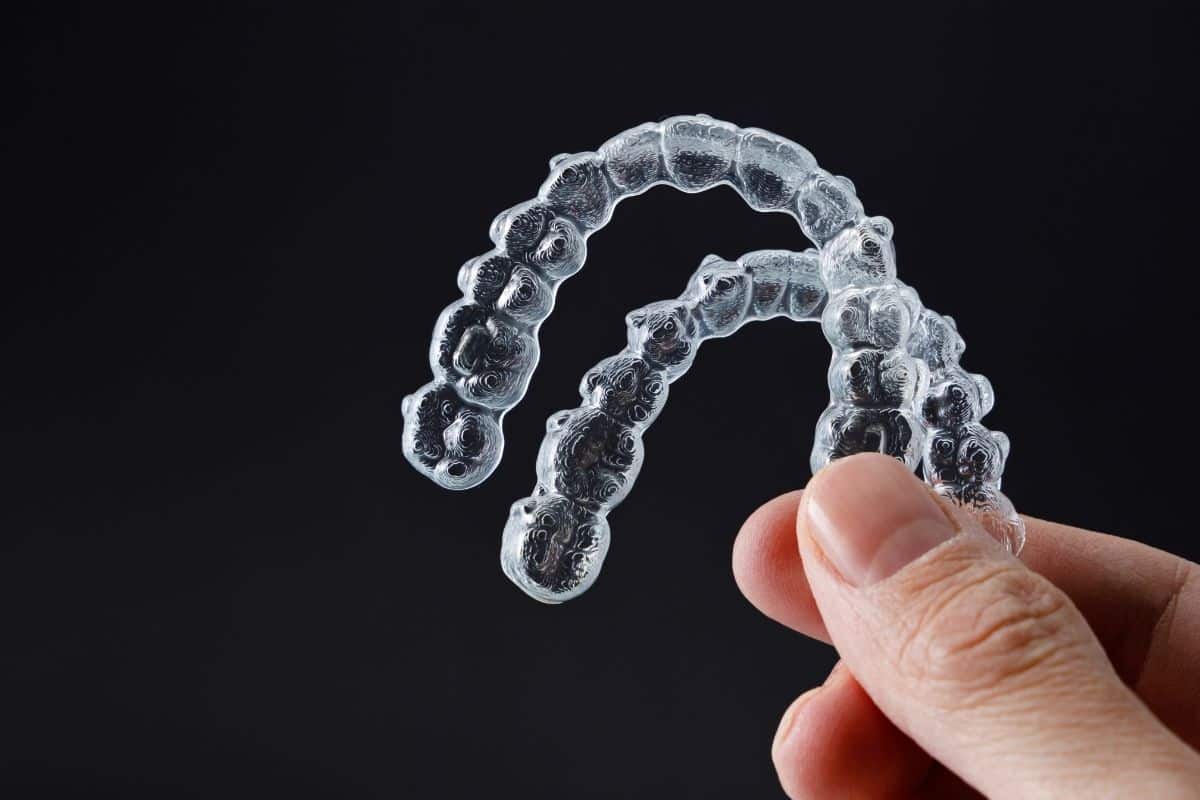
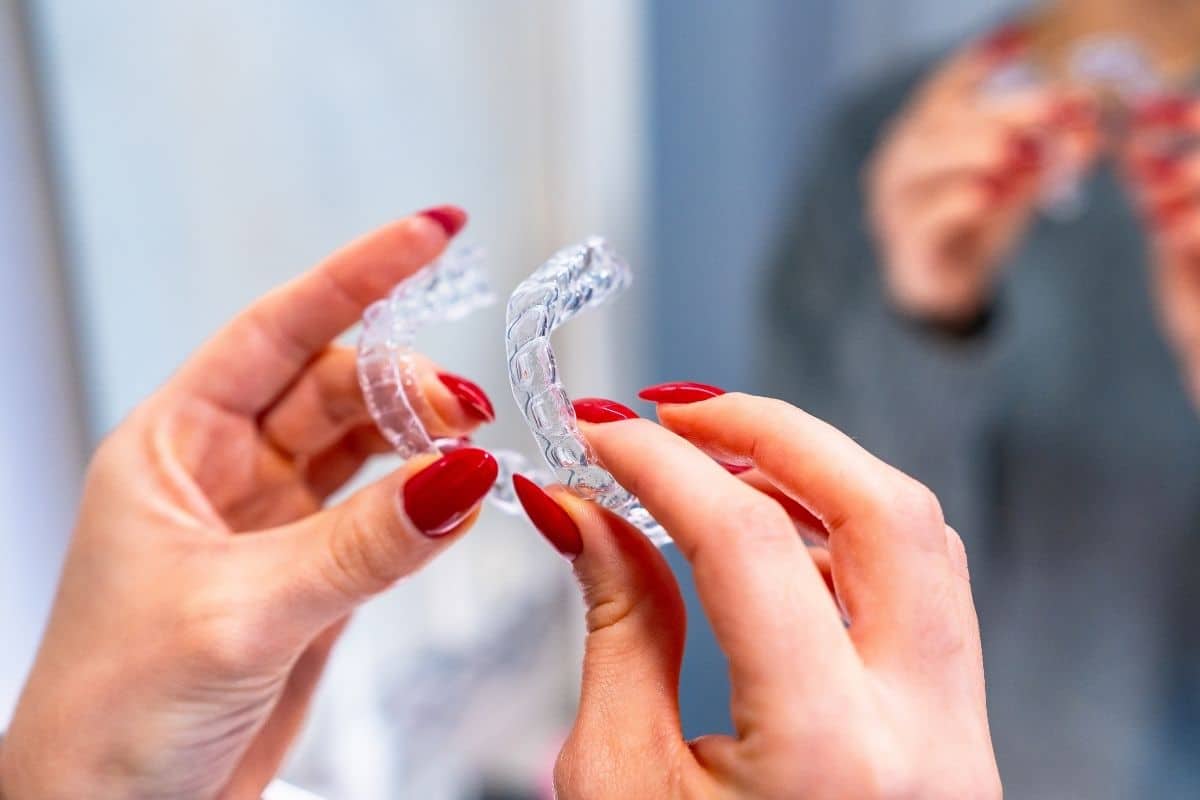
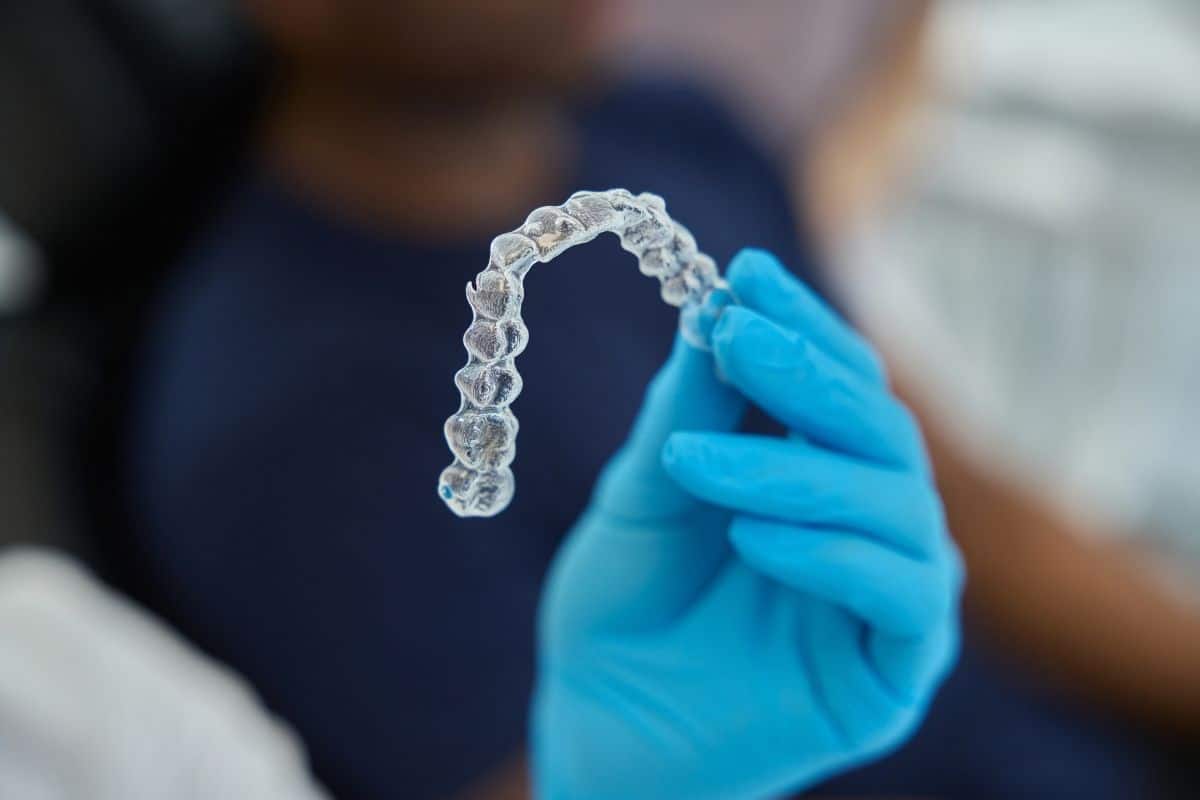
- Clear Aligners: These are transparent trays custom-made to fit over your teeth and gradually move them into place. They offer a more discreet option compared to traditional braces but still involve some pressure and discomfort, especially when transitioning to a new set of aligners.
Common Discomforts During Treatment
During orthodontic treatment, it’s normal to experience some discomfort, particularly:
- Pressure and Soreness: When braces or aligners are adjusted or changed, you may feel pressure on your teeth and gums. This discomfort typically subsides after a few days as your mouth adjusts to the new positioning.
- Mouth Sores: Braces can sometimes irritate the inside of your cheeks or lips, leading to minor sores. Orthodontic wax can help alleviate this by providing a protective barrier.
- Tightening Sensations: Each adjustment session with your orthodontist in Cumming may involve tightening wires or switching to a new aligner tray, causing temporary tightness in your mouth.
Managing Discomfort
To manage discomfort during orthodontic treatment, consider these tips:
- Pain Relief: Over-the-counter pain relievers such as ibuprofen can help alleviate soreness. Follow your orthodontist’s advice on dosage and frequency.
- Orthodontic Wax: Apply wax to brackets or wires that may be irritating to prevent mouth sores.
- Soft Diet: Stick to softer foods, especially after adjustments, to minimize discomfort while chewing.
- Orthodontic Adjustments: Attend scheduled appointments with your orthodontist in Cumming to ensure your treatment progresses smoothly and adjustments are made in a timely.
Long-term Benefits Outweigh Temporary Discomfort
While the discomfort associated with orthodontic treatment is real, it is important to remember that these procedures yield significant long-term benefits. A straighter smile not only enhances aesthetics but also improves oral health by reducing the risks of tooth decay, gum disease, and jaw problems.
Choosing an Orthodontist in Cumming
When selecting an orthodontist in Cumming for your treatment, consider factors such as experience, patient reviews, and the range of services offered. A reputable orthodontist will prioritize your comfort throughout the treatment process and provide personalized care to achieve optimal results.
In conclusion, while orthodontic treatment may involve discomfort at times, the benefits far outweigh the temporary challenges. By choosing an experienced orthodontist in Cumming and following their guidance, you can achieve a straighter smile and improved oral health. Remember, any discomfort experienced during treatment is temporary and manageable with proper care and guidance from your orthodontic provider.
Whether you opt for traditional braces or clear aligners, the journey to a healthier, more confident smile begins with a consultation with an orthodontist in Cumming who understands your needs and is committed to your dental health and satisfaction.