
(678) 578-5384


Orthodontic issues can range from minor inconveniences to major problems that impact both function and appearance. Understanding the underlying causes of these issues can help in seeking appropriate treatment from an experienced orthodontist. Many individuals turn to their local orthodontist to address these concerns, but what are the root causes of most orthodontic problems? This blog explores common origins and contributing factors to orthodontic issues.
Common Causes of Orthodontic Problems
Orthodontic problems can arise from a variety of factors, each affecting dental alignment and jaw structure. Here’s an overview of some common causes:
Genetics and Heredity
Genetics plays a significant role in the development of orthodontic issues. If your parents or siblings had braces or other orthodontic treatments, you might be more likely to experience similar problems. Inherited traits such as jaw size, tooth size, and alignment issues often necessitate orthodontic intervention.
Poor Oral Habits
Certain oral habits can contribute to orthodontic problems. Habits such as thumb sucking, tongue thrusting, and prolonged use of a pacifier can impact the alignment of teeth and the development of the jaw. These habits can create misalignments that often require corrective treatment from a local orthodontist.
Trauma or Injury
Accidents or injuries to the mouth can cause significant orthodontic issues. A blow to the face or a sports-related injury can result in misaligned teeth or jaw problems. Seeking prompt care from an orthodontist in Cumming after such injuries is crucial to prevent long-term damage.
Dental Health Issues
Certain dental health problems can also lead to orthodontic issues. For example, missing teeth, cavities, or gum disease can affect the alignment of surrounding teeth and the overall structure of the mouth. Addressing these health issues with an orthodontist can help restore proper alignment and function.
Contributing Factors to Orthodontic Issues
Several additional factors can contribute to the development or exacerbation of orthodontic problems:
Misaligned Bite
A misaligned bite, or malocclusion, occurs when the upper and lower teeth do not fit together properly. This can lead to issues such as overcrowding, gaps, or uneven wear on teeth. Correcting a misaligned bite often requires the expertise of an orthodontist in Cumming.
Impact of Early Tooth Loss
Losing primary teeth too early can disrupt the natural development of permanent teeth. When primary teeth are lost prematurely, adjacent teeth may shift into the space, leading to alignment issues. An orthodontist can help manage the transition from primary to permanent teeth to ensure proper alignment.
Growth and Development Issues
The growth and development of the jaws and teeth can influence orthodontic problems. Issues such as an overgrown or underdeveloped jaw can lead to misalignment and other complications. Monitoring and managing these growth patterns with the help of an orthodontist in Cumming can prevent future problems.
Environmental Factors
Environmental factors, including diet and lifestyle, can impact orthodontic health. Poor nutrition, excessive sugar consumption, and smoking can contribute to oral health issues that may require orthodontic intervention. An orthodontist can guide on maintaining good oral health and preventing problems.
Identifying and Addressing Orthodontic Problems
Early detection and treatment of orthodontic issues are essential for effective management. Here’s how to identify and address these problems:
Regular Dental Check-ups
Regular visits to your dentist are crucial for identifying early signs of orthodontic problems. Your dentist can refer you to an orthodontist in Cumming if they notice any issues with tooth alignment, bite, or jaw structure.
Monitoring Growth and Development
For children, monitoring the growth and development of the teeth and jaws is important. Early intervention can prevent more severe issues from developing. An orthodontist can provide assessments and recommend treatments based on the child’s growth patterns.
Seeking Professional Advice
If you notice any signs of orthodontic issues, such as difficulty chewing, crooked teeth, or uneven wear on teeth, it’s important to seek professional advice. An orthodontist in Cumming can evaluate your condition and recommend appropriate treatments.
Custom Treatment Plans
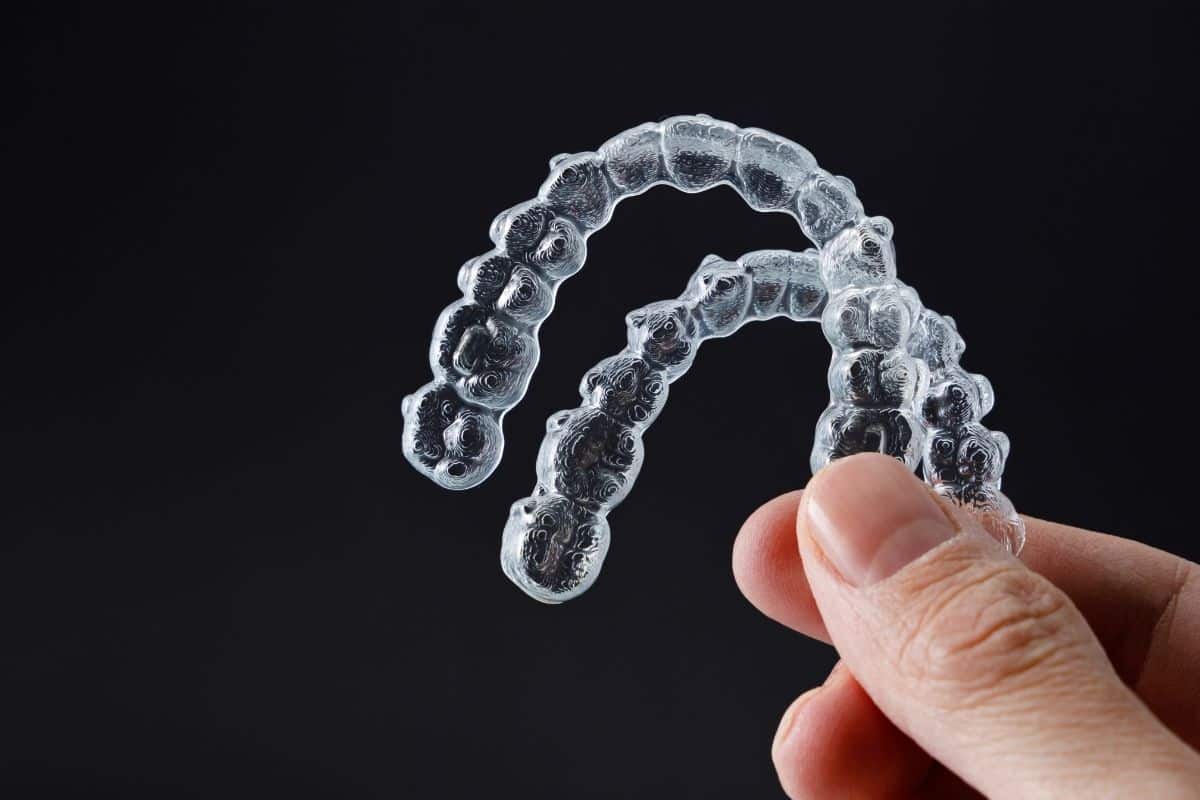
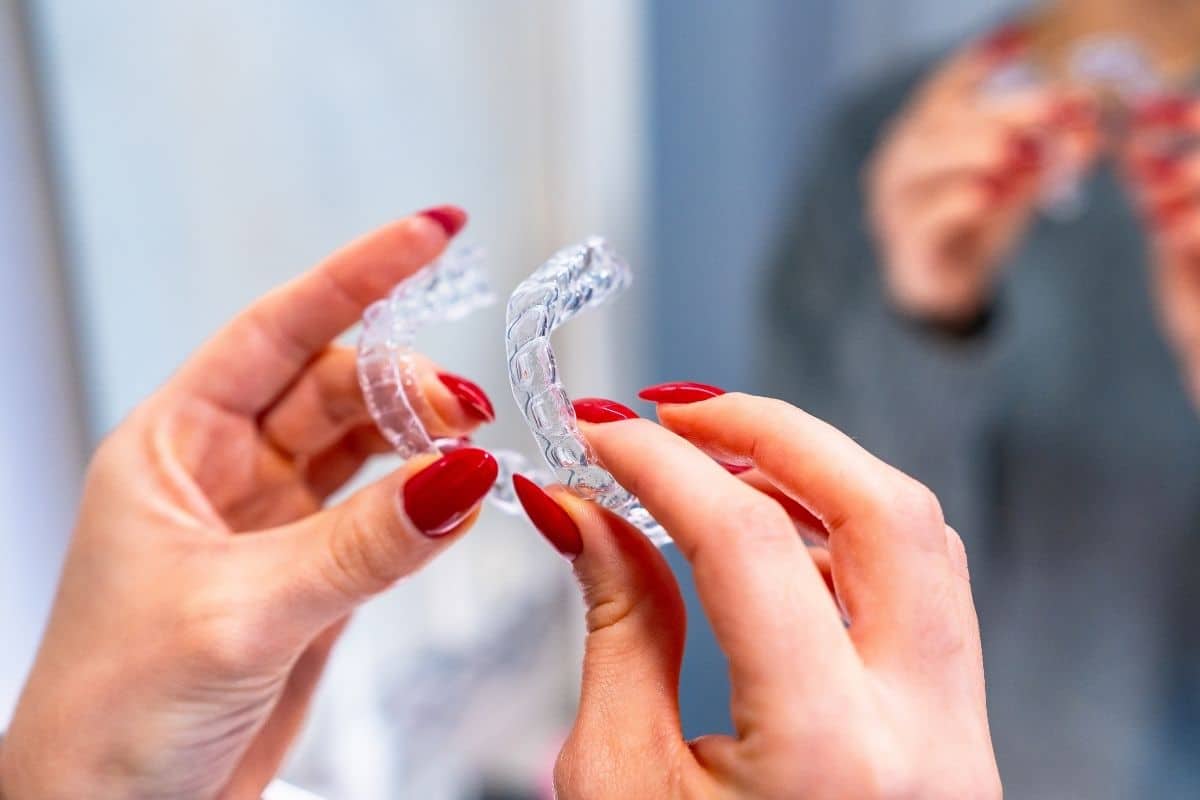
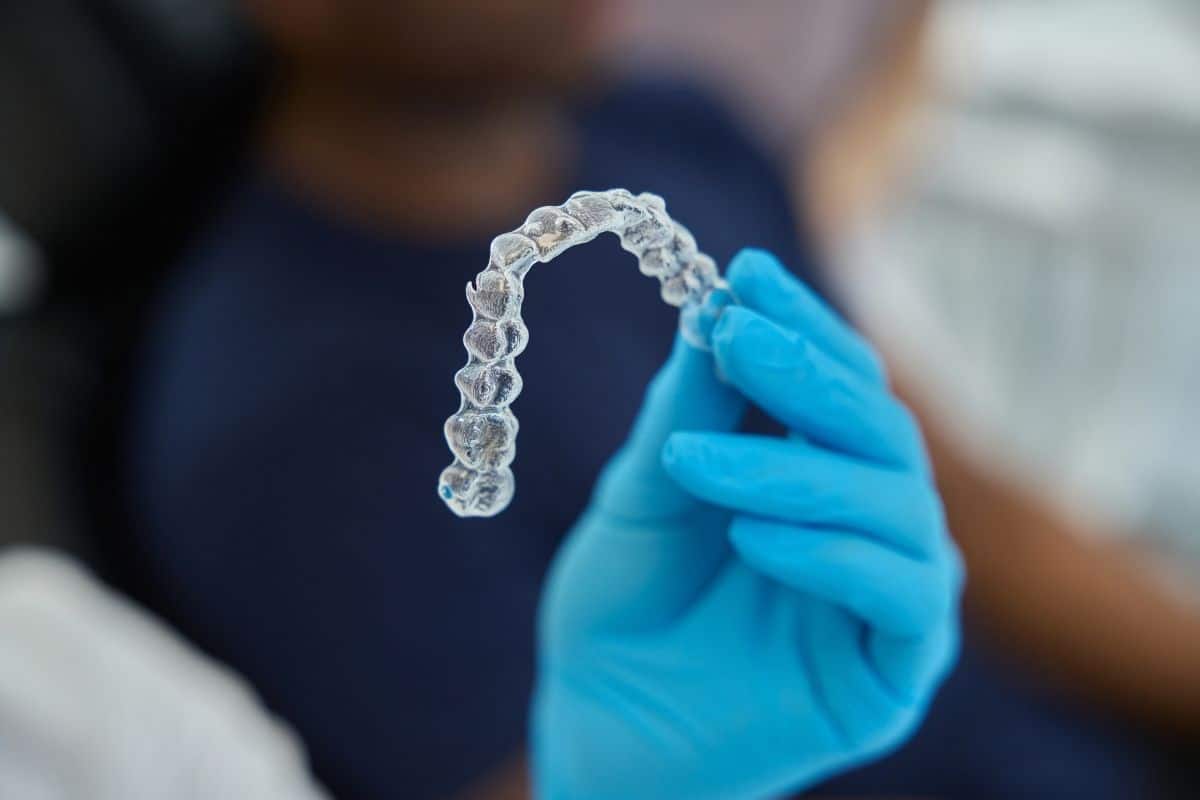
Orthodontic treatment plans are customized to address individual needs and problems. Whether it’s braces, invisalign, or other appliances, an orthodontist will design a plan that targets the specific issues affecting your dental health.
Orthodontic problems can stem from a variety of sources, including genetic factors, poor oral habits, trauma, dental health issues, and more. By understanding these causes and seeking timely intervention from a skilled orthodontist in Cumming, you can address and correct these issues effectively. Regular check-ups, monitoring of growth and development, and professional advice are key to maintaining optimal orthodontic health and achieving a beautiful, functional smile.