
(678) 578-5384


Orthodontic issues can manifest in various ways, and one uncommon but challenging problem is when a tooth grows behind another tooth. This condition, known as “ectopic teeth” or crowding, often raises concerns about appearance, comfort, and oral health. Many people wonder if braces can resolve this issue effectively. The good news is that braces are a highly effective solution for correcting teeth that are misaligned, including teeth that have grown behind others. Let’s explore how braces can fix this issue and what you can expect during treatment.
What Causes Teeth to Grow Behind Other Teeth?
Several factors can lead to a tooth erupting behind another, resulting in misalignment. Understanding these causes helps determine the appropriate orthodontic treatment.
1. Lack of Space in the Jaw
When there isn’t enough room in the jaw for all the teeth to align properly, some teeth may grow in odd positions, including behind others.
2. Delayed Baby Tooth Loss
In children, a permanent tooth may erupt while the baby tooth is still in place. This causes the new tooth to grow behind the primary tooth, leading to crowding.
3. Genetics
Heredity plays a significant role in tooth positioning. If a parent has crowded teeth, their child is more likely to experience the same issue.
4. Improper Oral Habits
Habits such as thumb-sucking, tongue thrusting, or prolonged pacifier use can influence the alignment of teeth, causing misplacements.
5. Dental Trauma
Injury to the mouth or teeth can alter the direction of tooth eruption, sometimes leading to teeth growing in the wrong spot.
Can Braces Correct Teeth Behind Teeth?
Yes, braces are a proven solution for aligning teeth, including those that have grown behind others. Orthodontic treatment uses gentle, consistent pressure to gradually shift teeth into their correct positions over time.
How Braces Work to Correct Misaligned Teeth
Braces consist of brackets, wires, and elastic bands that work together to apply pressure on teeth, guiding them into proper alignment. For teeth behind other teeth, the process may involve:
- Creating Space
Initially, your orthodontist may focus on creating space in the jaw to accommodate all the teeth. This can involve widening the dental arch or extracting a baby tooth or a small permanent tooth in severe cases. - Gradual Movement
Once space has been made, braces slowly move the out-of-place tooth into its correct position. This process may take several months to over a year, depending on the complexity of the misalignment. - Monitoring and Adjustments
Regular orthodontic appointments allow for careful monitoring and periodic adjustments to ensure the teeth are moving as planned.
Types of Braces That Can Fix Teeth Behind Teeth
There are several types of braces available, and your orthodontist will recommend the most suitable option based on your condition.
1. Traditional Metal Braces
Metal braces are the most common and effective option for severe misalignments, including teeth that have grown behind others.
2. Ceramic Braces
These braces work similarly to metal braces but are less noticeable due to their tooth-colored brackets. They are a good option for those seeking a more discreet treatment.
3. Clear Aligners
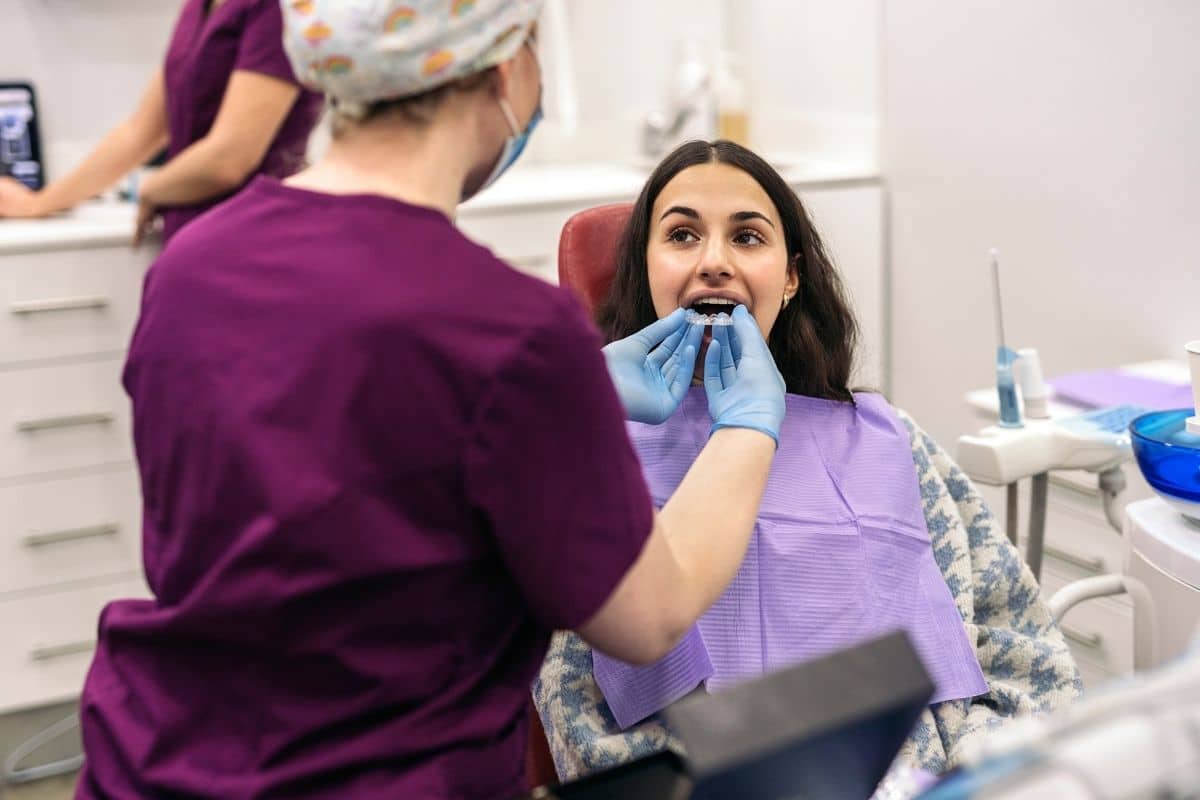
In some cases, clear aligners like Invisalign can fix minor to moderate misalignments, including certain cases of teeth growing behind others. However, they may not be ideal for severe crowding.
4. Lingual Braces
Lingual braces are placed on the inside of the teeth, making them virtually invisible. They are effective but can be more complex for treating severe misalignments.
What to Expect During Treatment
Orthodontic treatment for teeth behind teeth requires patience and consistency. Here’s what you can expect during the process:
1. Initial Consultation
Your orthodontist will conduct a thorough evaluation, including X-rays, to determine the extent of the issue and create a customized treatment plan.
2. Placement of Braces
Braces will be applied to your teeth, and you may experience some discomfort initially as your teeth begin to shift.
3. Regular Adjustments
You’ll need to visit your orthodontist every few weeks for adjustments to the braces, ensuring steady progress.
4. Duration of Treatment
The length of treatment varies based on the severity of the misalignment. On average, braces may be needed for 12-24 months.
5. Retention Phase
Once braces are removed, you’ll wear a retainer to maintain the new alignment and prevent relapse.
Benefits of Fixing Teeth Behind Teeth
Correcting misaligned teeth offers numerous benefits for both your oral health and confidence.
1. Improved Aesthetics
Straightening teeth enhances your smile, boosting self-esteem and confidence.
2. Better Oral Health
Properly aligned teeth are easier to clean, reducing the risk of cavities, gum disease, and plaque buildup.
3. Enhanced Comfort
Misaligned teeth can cause pain and discomfort while chewing or speaking. Braces help alleviate these issues.
4. Corrected Bite Alignment
Teeth behind teeth can contribute to bite problems like overbite or underbite. Orthodontic treatment ensures proper bite alignment.
Conclusion
Braces are a highly effective solution for correcting teeth that have grown behind other teeth. Whether the issue is due to crowding, delayed tooth loss, or genetics, braces can gradually move the misaligned teeth into their proper positions, improving both aesthetics and oral health. If you or your child have teeth growing behind others, consult with an orthodontist to determine the best course of treatment. With the right care and patience, a straighter, healthier smile is well within reach! To learn more or start your braces treatment, consult your orthodontist today.