
(678) 578-5384


When it comes to orthodontic issues, terms like “overbite” and “overjet” often come up. Although they sound similar, they refer to distinct dental conditions that affect your bite and overall oral health. Understanding the difference between these two can help you seek the right treatment from your orthodontist. In this blog, we will explore what overbite and overjet are, how they differ, and what treatments are available.
What is an Overbite?
An overbite, also known as a deep bite, is a condition where the upper front teeth overlap the lower front teeth when the mouth is closed. Essentially, it refers to the vertical relationship between the upper and lower teeth. A mild overbite is quite common, but when it becomes severe, it can lead to several problems, such as tooth wear, gum irritation, and even jaw pain.
Causes of an Overbite
Several factors can cause or contribute to the development of an overbite, including:
- Genetics: In many cases, an overbite can be inherited from your parents.
- Thumb sucking: Prolonged thumb sucking during childhood can interfere with the natural growth of teeth and cause an overbite.
- Jaw size discrepancies: Sometimes, the size of the upper and lower jaws is disproportionate, leading to an overbite.
- Poor oral habits: Habits like tongue thrusting can also contribute to the condition.
Symptoms of an Overbite
People with a significant overbite may experience:
- Difficulty chewing or biting food
- Tooth wear and tear on the upper or lower teeth
- Speech difficulties, especially with certain sounds
- Jaw pain or discomfort
What is an Overjet?
An overjet refers to the horizontal distance between the upper and lower teeth. In simpler terms, it is when the upper front teeth protrude too far forward over the lower teeth. An overjet is often mistakenly referred to as an “overbite,” but this term actually describes a different issue.
Causes of an Overjet
Overjets can be caused by:
- Genetics: Just like an overbite, an overjet can be inherited if parents or relatives have a similar issue.
- Thumb sucking: Persistent thumb sucking in childhood can push the upper teeth outward, leading to an overjet.
- Jaw misalignment: A discrepancy in the size or positioning of the upper and lower jaws can lead to an overjet.
- Prolonged use of a pacifier: Children who use a pacifier beyond the typical age may develop an overjet.
Symptoms of an Overjet
Some common signs of an overjet include:
- Protruding upper teeth
- Difficulty biting into certain foods
- An increased risk of dental injury, especially to the protruding teeth
- Speech problems, such as lisps
Key Differences Between Overbite and Overjet
Although overbite and overjet may seem similar, they differ in several ways:
- Vertical vs. Horizontal: The primary difference is that an overbite refers to a vertical overlap, while an overjet is a horizontal protrusion of the upper teeth.
- Appearance: An overbite causes the upper teeth to cover the lower teeth vertically, while an overjet causes the upper teeth to extend forward beyond the lower teeth.
- Causes: Both conditions can be caused by genetics or childhood habits, but overbites are often linked to jaw size differences, while overjets are more associated with protruding upper teeth or jaw alignment.
Treatment Options for Overbite and Overjet
Both overbites and overjets can be treated effectively with orthodontic interventions. The appropriate treatment will depend on the severity of the condition and its underlying cause.
Treatments for Overbite
- Braces: Traditional braces are often used to correct an overbite by shifting the teeth into proper alignment. Braces may also be used to adjust the jaw position if needed.
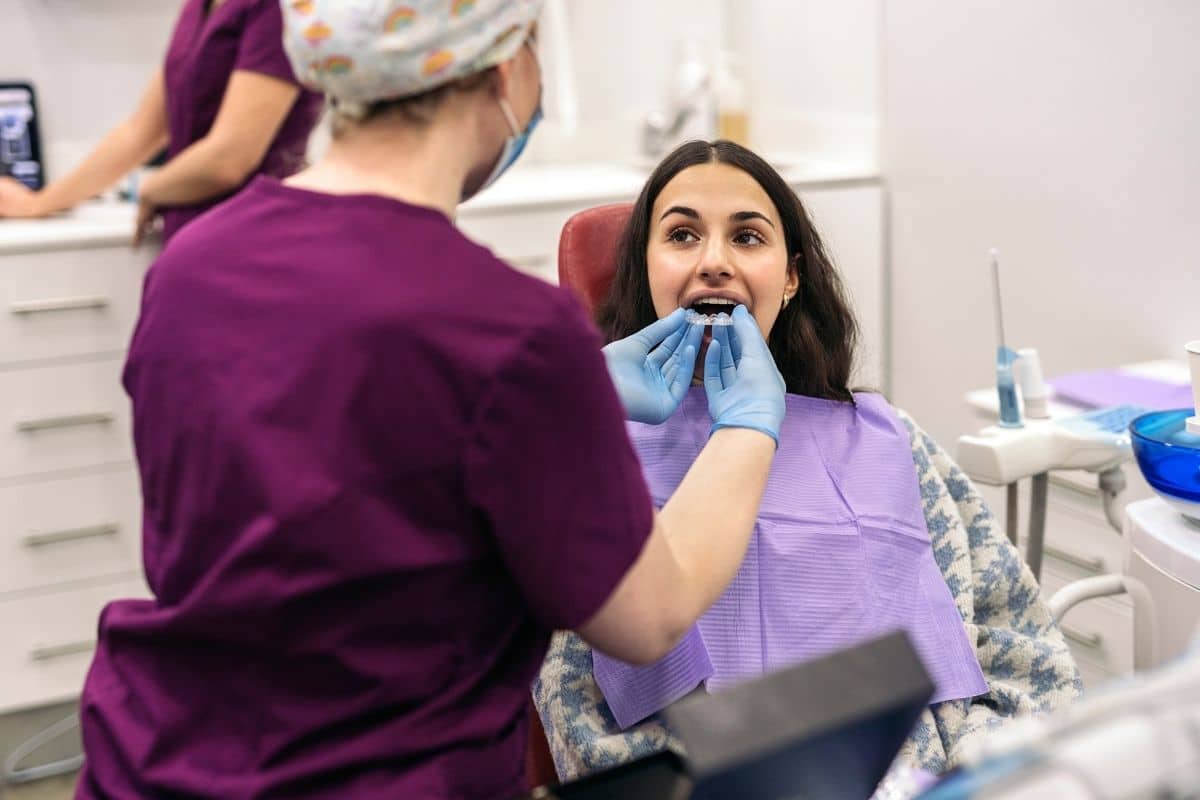
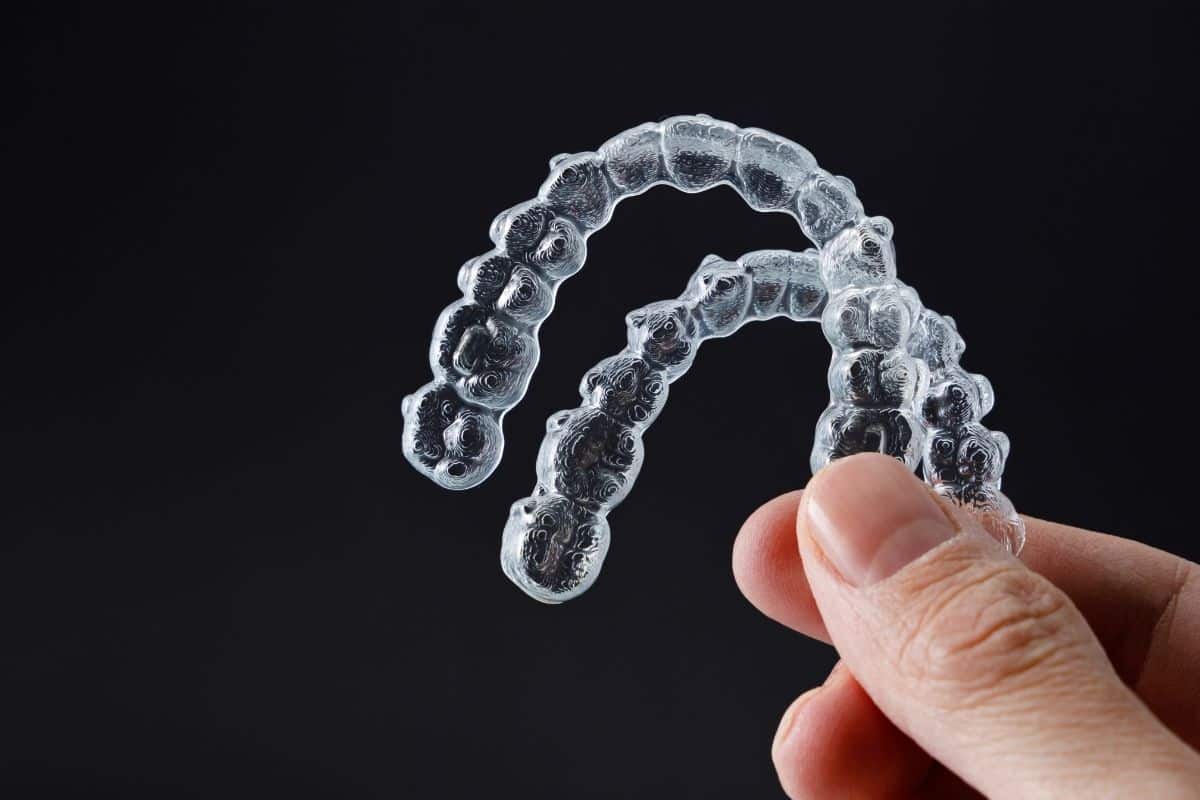
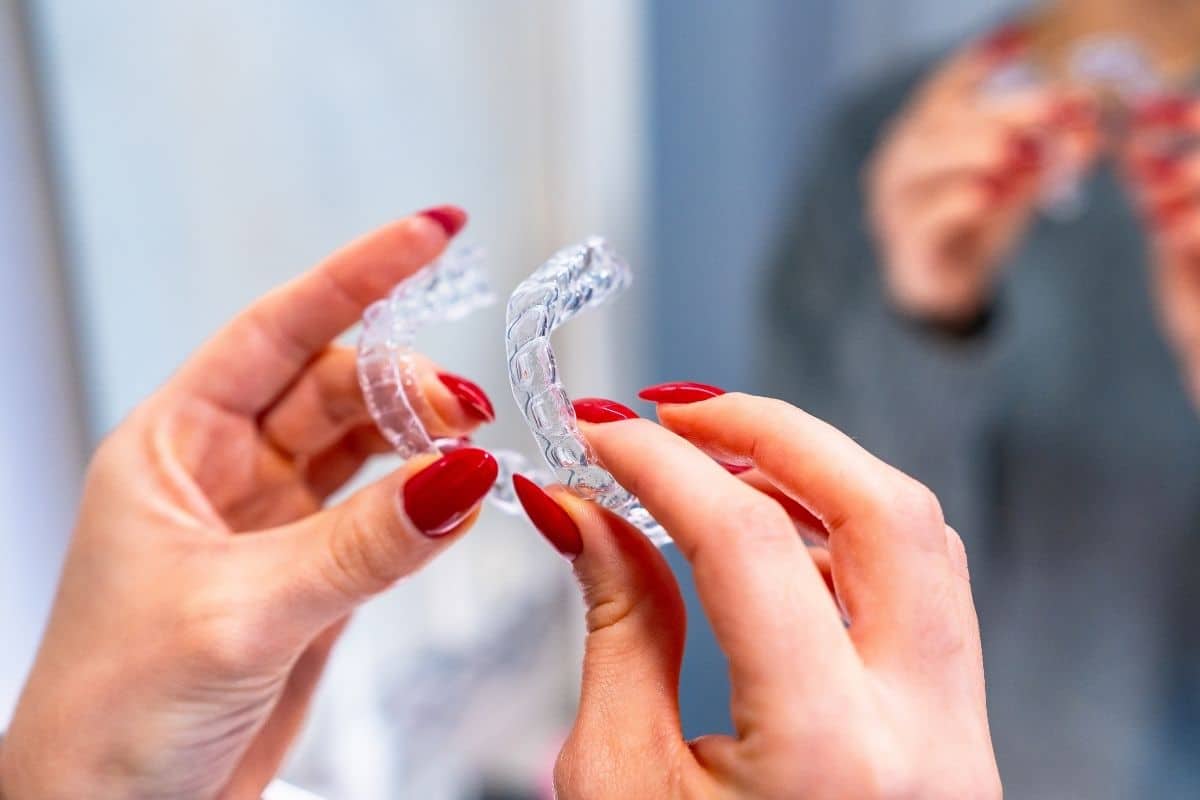
- Clear aligners: For mild to moderate cases, clear aligners (like Invisalign) may be a suitable option to correct the overbite discreetly.
- Jaw surgery: In severe cases, especially when the overbite is due to jaw misalignment, surgical intervention may be necessary to reposition the jaw.
Treatments for Overjet
- Braces: Braces can help correct an overjet by moving the teeth back into place and realigning the bite.
- Headgear: In some cases, orthodontists use headgear to apply gentle pressure on the upper jaw, helping it move into the correct position.
- Surgical treatment: For severe overjets, surgery might be recommended to correct the alignment of the jaw and teeth.
Conclusion
Both overbite and overjet are common dental conditions, but they affect the alignment of your teeth and jaws in different ways. Whether you’re dealing with an overbite or overjet, seeking timely orthodontic treatment is important to prevent long-term oral health issues. If you think you might have either condition, schedule an appointment with your orthodontist to discuss the best course of treatment for your unique needs. By correcting these bite issues early, you can achieve a healthier, more functional smile.