
(678) 578-5384

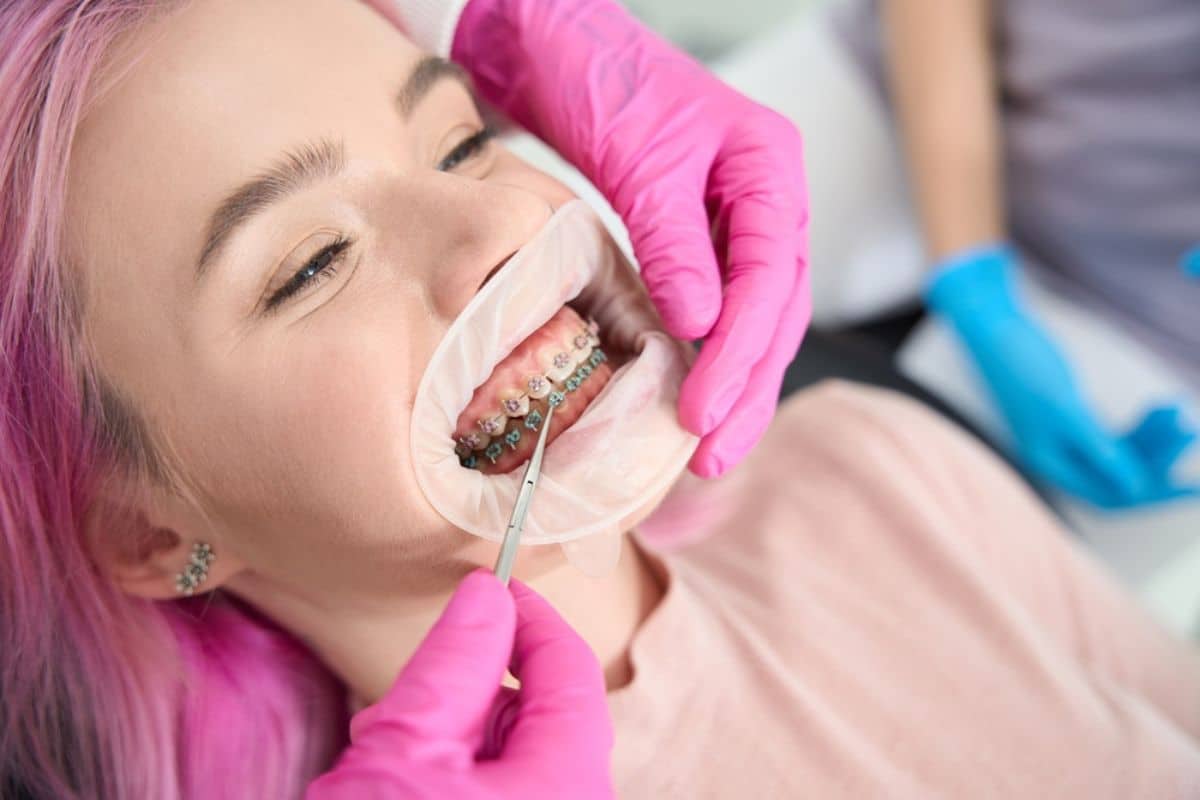
Completing orthodontic treatment is a major milestone, but many patients notice subtle changes in their teeth even after braces or aligners are removed. This shifting is a natural process influenced by biological and environmental factors. While orthodontic treatment corrects alignment, teeth are not fixed in place permanently. Understanding why this happens and how to maintain your results is key to preserving your new smile.
The Role of the Periodontal Ligament in Tooth Movement
Teeth are held in place by the periodontal ligament, a network of connective tissues that allows for slight movement. When braces or aligners apply pressure to shift teeth into proper alignment, the ligament stretches and compresses, gradually repositioning the teeth. Once the appliance is removed, the ligament tries to revert to its original state, which can lead to minor shifting.
This process, known as elastic recoil, is why retainers are essential. Without proper retention, teeth may begin to drift back toward their previous positions, undoing months or even years of orthodontic work.
Natural Aging and Teeth Shifting
As the body changes over time, teeth naturally shift due to aging. The lower jaw continues to grow subtly, even in adulthood, which can crowd the lower front teeth. This crowding can create a domino effect, pushing other teeth out of alignment. Additionally, enamel wears down with age, altering how upper and lower teeth fit together.
Hormonal changes, particularly during pregnancy or menopause, can also impact gum tissue and bone density, making teeth more prone to shifting. Regular dental checkups and consistent retainer use can help manage these changes and keep your smile aligned.
The Impact of Everyday Habits on Tooth Alignment
Daily habits and lifestyle choices can influence tooth movement. Clenching and grinding, known as bruxism, exert constant pressure on teeth, which can cause gradual shifting. Similarly, habits like nail-biting, chewing on ice, or using teeth to open packaging can put undue stress on tooth positioning.
Missing teeth can also contribute to shifting. When a tooth is lost and not replaced, the surrounding teeth may drift into the space. This not only affects alignment but can also alter bite function. A well-fitted retainer and proper oral care can help prevent these unwanted shifts.
How an Orthodontist in Cumming Can Help Maintain Your Smile
After investing in orthodontic treatment, maintaining results is crucial. A well-designed retainer is the best tool for preserving tooth alignment. There are different types of retainers, including removable and fixed options, and an orthodontist can recommend the best type based on individual needs.
Wearing a retainer as instructed minimizes the risk of post-treatment shifting. Skipping retainer use, even for a few weeks, can allow teeth to move. Checkups with our orthodontist in Cumming ensure that any minor adjustments can be made before significant changes occur.
Keeping Your Smile Aligned for a Lifetime
Long-term retention strategies play an important role in orthodontic success. Regular dental visits, maintaining good oral hygiene, and addressing habits that contribute to shifting are all key factors. At Cumming Pediatric Dentistry & Orthodontics, patients receive personalized care to ensure their smiles remain straight and healthy for years to come.
Schedule a Consultation to Protect Your Smile
If you’ve noticed subtle changes in your teeth after treatment, don’t wait for the problem to worsen. A request for an appointment with our orthodontist in Cumming to help assess your alignment and provide solutions to maintain your results. Contact us today to keep your smile looking its best!