
(678) 578-5384


A healthy, confident smile starts with proper alignment and bite function. If you’re searching for an orthodontist in cumming, you’re likely looking for expert guidance on straightening teeth, correcting bite issues, or improving your child’s developing smile. In growing communities like Cumming, GA, along with nearby areas such as Sugar Hill, Dawsonville, and Alpharetta, families want to understand not just how orthodontic treatment works, but what an orthodontist actually does.
Orthodontists do far more than place braces. They diagnose complex alignment concerns, design customized treatment plans, monitor progress, and help patients maintain long-term results.
Role of a Dental Alignment Specialist
An orthodontist is a dental specialist who completes additional years of advanced training beyond dental school. While a general dentist focuses on overall oral health, orthodontists specialize in correcting malocclusion problems related to misaligned teeth and jaws.
Their expertise includes:
- Straightening crooked or crowded teeth
- Correcting overbites, underbites, and crossbites
- Guiding jaw growth and facial development
- Improving overall bite function
- Enhancing smile aesthetics
This combination of science, technology, and artistry helps patients achieve both functional and cosmetic improvements.
Comprehensive Evaluations and Accurate Diagnosis
Every successful orthodontic journey begins with a detailed assessment. During an initial consultation, an orthodontist evaluates:
- Tooth alignment and spacing
- Jaw position and bite relationship
- Facial symmetry
- Growth and development (especially in children and teens)
Diagnostic tools may include digital X-rays, 3D scans, photographs, and dental impressions. These records allow the orthodontist to develop a personalized treatment plan tailored to the patient’s unique needs.
Early diagnosis is especially important for children. Identifying alignment concerns at the right developmental stage can prevent more complex issues later in life.
Creating Personalized Treatment Plans
After analyzing diagnostic records, the orthodontist designs a custom strategy to gradually move teeth into ideal positions. Treatment planning considers:
- Age and growth stage
- Severity of misalignment
- Jaw development
- Oral hygiene habits
- Lifestyle preferences
No two treatment plans are identical. Some patients may benefit from traditional braces, while others may be candidates for clear aligners, expanders, or other orthodontic appliances.
This personalized approach ensures efficient tooth movement while protecting gum health and supporting long-term stability.
Selecting and Fitting Orthodontic Appliances
One of the primary hands-on responsibilities of an orthodontist is choosing and placing the appropriate appliance. Options may include:
- Traditional braces (metal or ceramic)
- Clear aligner systems
- Palatal expanders
- Space maintainers
- Retainers
Precise placement is critical. Brackets and wires must be positioned accurately to guide controlled tooth movement. With aligners, digital treatment planning helps map out each stage of alignment.
Proper fitting ensures comfort, effectiveness, and predictable results. Want to learn more about how orthodontists fix an overbite and which treatment option may be right for you?
Monitoring Progress and Making Adjustments
Orthodontic treatment is not a one-time procedure; it’s an ongoing process. Regular appointments allow the orthodontist to:
- Adjust braces and wires
- Evaluate tooth movement
- Ensure bite correction is progressing
- Address any discomfort or concerns
These visits typically occur every 4–8 weeks, depending on the treatment type. Monitoring progress helps ensure teeth move safely and efficiently while minimizing potential complications.
Consistency is key to achieving the desired outcome.
Addressing Functional Bite Concerns
Straight teeth are important, but function matters just as much. Orthodontists focus heavily on correcting bite problems that can impact daily life.
Untreated bite issues may cause:
- Difficulty chewing
- Speech challenges
- Jaw pain or TMJ discomfort
- Uneven tooth wear
- Increased risk of cavities and gum disease
By correcting these issues, orthodontic treatment improves not only appearance but also long-term dental health and overall comfort.
Collaborating with Other Dental Professionals
Orthodontists often work closely with general dentists, pediatric dentists, and oral surgeons. This collaborative approach ensures comprehensive care.
For example:
- A general dentist may treat cavities before orthodontic treatment begins.
- A pediatric dentist may monitor early tooth development.
- An oral surgeon may assist with complex jaw alignment cases.
This teamwork supports optimal results and ensures every aspect of oral health is addressed.
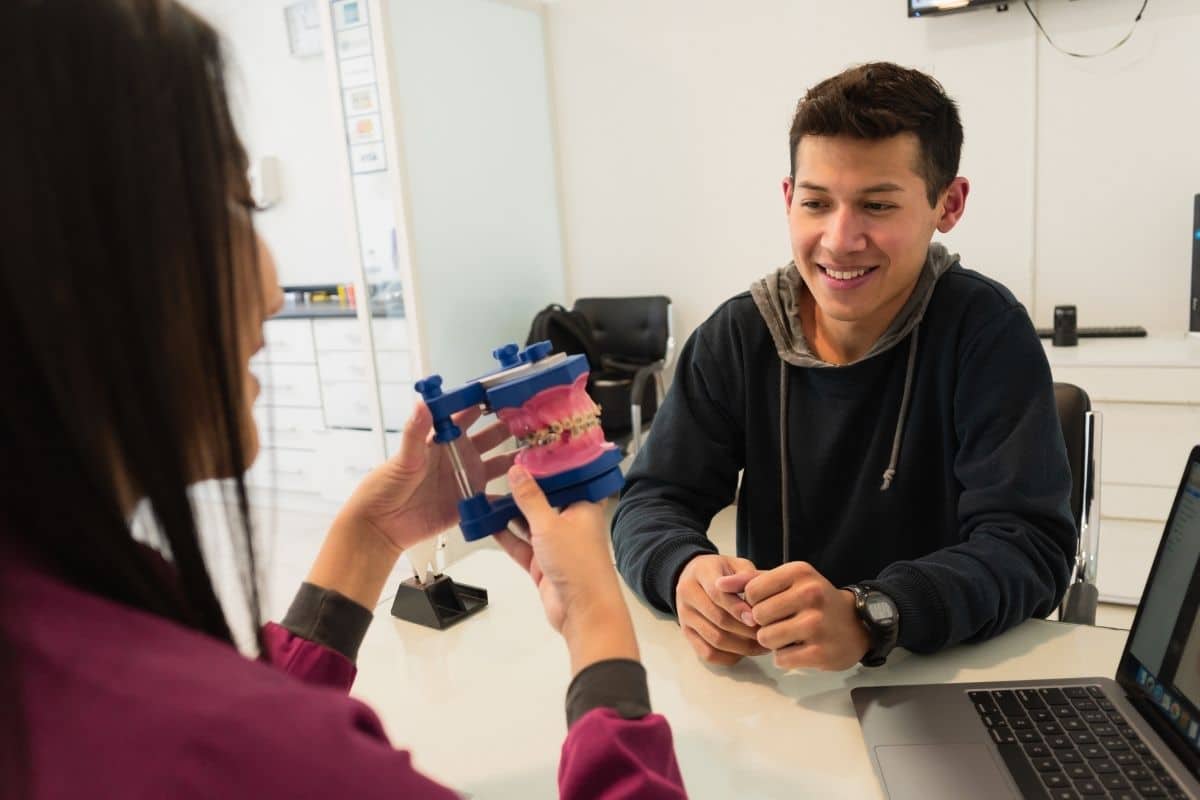
Educating Patients and Families
A major responsibility of an orthodontist is patient education. Clear communication helps patients understand:
- How treatment works
- What to expect at each stage
- Proper oral hygiene with braces or aligners
- The importance of wearing retainers
When families search for an orthodontist near me, they’re not just looking for a convenient location; they’re looking for guidance they can trust. Education plays a key role in successful treatment. When patients understand how their braces or aligners work, follow care instructions, and attend regular appointments, their progress stays on schedule, and results are more stable. Orthodontists also provide practical tips for brushing and flossing during treatment, helping prevent plaque buildup, enamel staining, and other issues that could affect the final outcome.
Providing Retention and Long-Term Stability
Orthodontic care doesn’t end when braces come off. Teeth naturally tend to shift over time, which is why retainers are essential.
Orthodontists design customized retainers to:
- Maintain alignment
- Prevent relapse
- Protect the investment in treatment
Follow-up appointments ensure that teeth remain stable and that retainers fit properly. Long-term monitoring helps preserve your smile for years to come.
When Should You See an Orthodontist?
The American Association of Orthodontists recommends that children have an orthodontic evaluation by age seven. However, orthodontic treatment is not limited to children or teens. Adults frequently seek treatment to correct long-standing bite issues or enhance their smiles.
You may benefit from an evaluation if you notice:
- Crooked or crowded teeth
- Gaps between teeth
- Jaw shifting or clicking
- Difficulty biting or chewing
- Teeth that do not meet properly
Early intervention can simplify treatment, but it’s never too late to improve your smile.
Conclusion: Supporting Healthy Smiles in Cumming
Orthodontists play a vital role in improving both the function and appearance of your smile. From detailed diagnostics and personalized treatment planning to appliance adjustments and long-term retention, their responsibilities extend far beyond simply placing braces.
If you live in Cumming or nearby communities like Alpharetta, Sugar Hill, or Dawsonville, learning about orthodontic care empowers you to make informed decisions for yourself or your child.
To learn more or schedule an appointment, contact Cumming Pediatric Dentistry & Orthodontics and take the first step toward a healthier, more confident smile.