
(678) 578-5384

Many parents focus on brushing and flossing as the core of their child’s dental health, but there’s another crucial aspect that often goes unnoticed—how oral health can affect sleep quality. From breathing issues to teeth grinding, the mouth plays a bigger role in restful sleep than most people think.
Sleep problems in children are not just about staying up too late. Disrupted or poor-quality sleep can affect attention, growth, behavior, and emotional development. What’s surprising is that some of these issues may begin in the mouth.
Breathing, Jaw Development, and Sleep Disturbances
In many children, misaligned jaws, enlarged tonsils, or narrow dental arches can cause mouth breathing. Breathing through the mouth, especially at night, can dry out oral tissues and disrupt oxygen flow, leading to snoring, restless sleep, and even conditions like sleep apnea. Pediatric dental professionals are trained to identify early signs of these concerns.
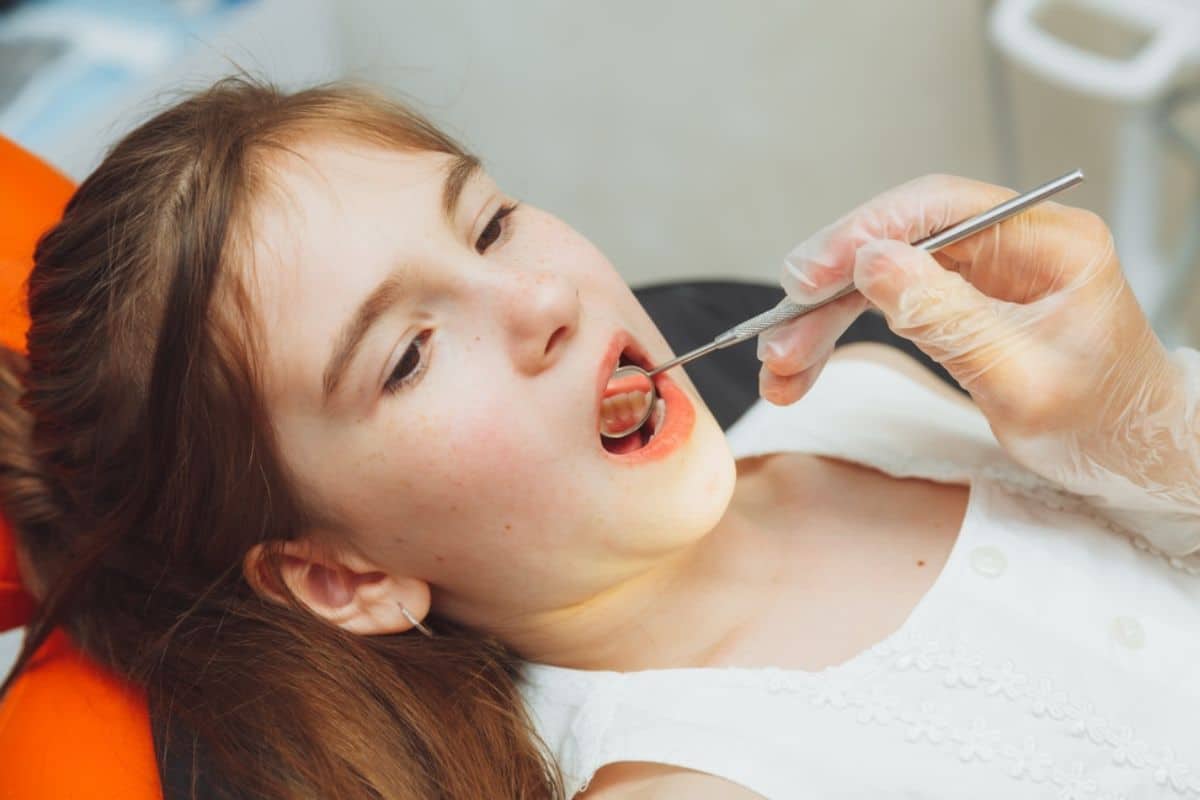
During routine dental checkups, signs like worn enamel, scalloped tongue, or narrow arches may indicate that a child is grinding their teeth or struggling to breathe properly at night. This is when pediatric dentists in Cumming step in—not just to clean teeth, but to evaluate the function and structure of the oral cavity.
How Pediatric Dentists Address Sleep-Related Issues
A pediatric dentist may refer a child for a sleep study if patterns of disturbed rest are linked to oral health. Additionally, they may recommend interceptive orthodontics or habit-correcting appliances to support better airway development and jaw positioning.
For instance, early orthodontic evaluations can determine whether a child’s jaw is developing in a way that will support proper breathing. In some cases, simple appliances can gently guide jaw growth to open up airways, prevent sleep issues, and even reduce the need for braces later.
Grinding or clenching—called bruxism—can also impact sleep. Children may do this as a response to discomfort or stress, but it can also stem from airway obstruction. Pediatric dentists may suggest custom nightguards or recommend further evaluation by an ENT specialist to address the root cause.
Sleep, Behavior, and the Role of Dental Care
It’s common for kids with sleep-related issues to struggle with daytime fatigue, attention deficits, and mood swings. These behaviors are often mistaken for ADHD or general restlessness. However, addressing the oral health problems behind these symptoms can lead to significant improvements in sleep—and by extension, emotional and cognitive function.
By working closely with parents and other health professionals, pediatric dental providers can play an essential role in a child’s overall health journey. The mouth isn’t isolated—it’s the gateway to the rest of the body, including the systems responsible for restful, uninterrupted sleep.
A Local Commitment to Healthy Sleep and Smiles
Families in Forsyth County are increasingly seeking comprehensive dental care that goes beyond just cavity prevention. Providers like Cumming Pediatric Dentistry & Orthodontics are trained to recognize how dental health intersects with larger wellness issues like sleep disturbances. By taking a proactive approach, they help ensure that children not only develop strong, healthy teeth but also enjoy the benefits of deep, restorative rest.
Final Thoughts
Oral health has a bigger impact on a child’s life than many parents realize. From subtle breathing problems to teeth grinding, what’s going on in your child’s mouth can influence how well they sleep—and how they function during the day. Pediatric dental care is about much more than brushing and fluoride; it’s about supporting every aspect of your child’s development, one healthy night of sleep at a time.