
(678) 578-5384

If you’ve recently gotten braces in Cumming, you may be wondering how long it will take to see results and how to track your progress. Whether you’re a teen undergoing your first orthodontic treatment, understanding the signs that your braces are working can help ease your mind and keep you motivated throughout your treatment.
Braces are a significant investment in your smile and overall dental health, so knowing when your treatment is on the right track is crucial. In this blog, we’ll walk you through the key indicators that your braces are working and progressing as expected, helping you stay on top of your treatment.
How Braces Work
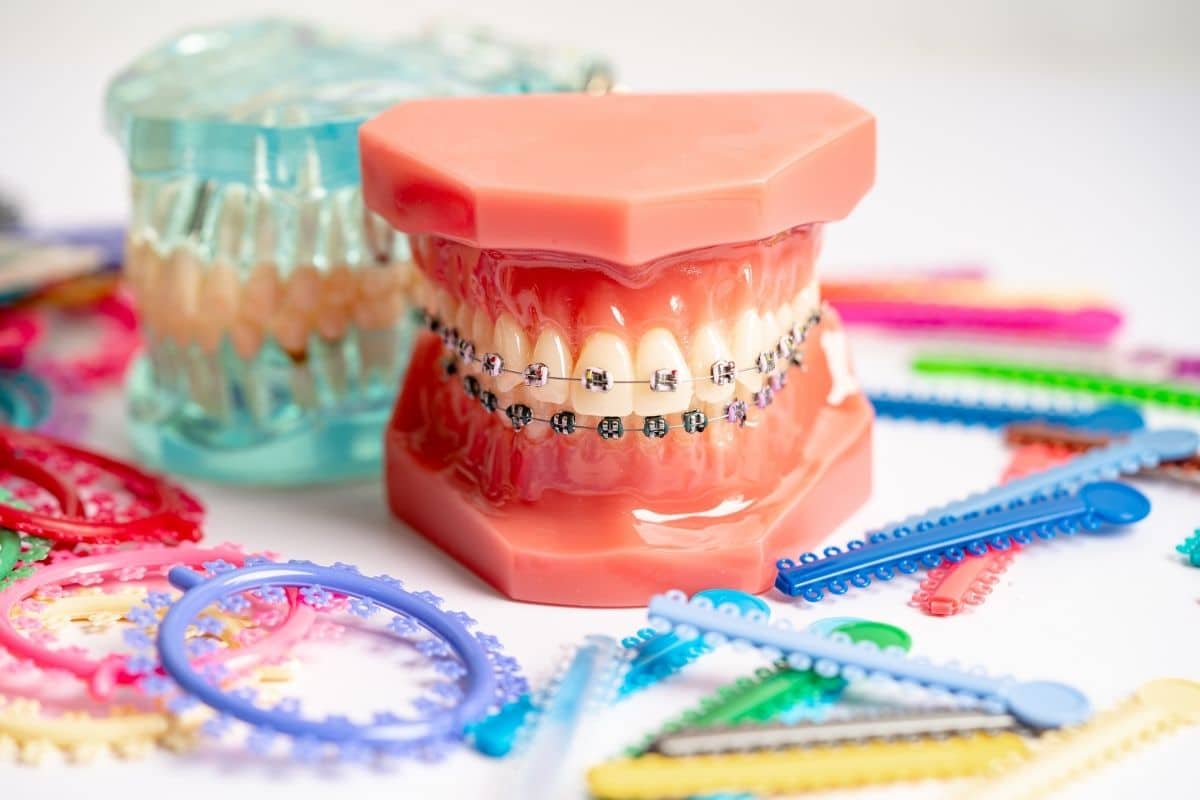
Braces are designed to gently shift your teeth into better alignment using a system of brackets, archwires, and rubber bands. These components apply steady, controlled pressure on your teeth over time. Although results may not be immediately visible, the process is gradual but consistent. Whether you’re undergoing treatment for crooked teeth, bite issues, or jaw alignment, braces are engineered to give you long-lasting results.
1. Signs of Progress You Can Feel
Initial Discomfort and Soreness
One of the first signs that your braces are working is the mild discomfort you feel after your initial fitting and subsequent adjustments. As your teeth shift into their new positions, you may experience some soreness. This is completely normal and indicates that your braces are applying the right amount of pressure to start the movement process. Typically, any discomfort will subside a few days after an adjustment.
Less Discomfort Over Time
As your teeth begin to shift and align, you’ll notice that the soreness from adjustments gradually decreases. This is a positive sign! The pressure exerted by the braces becomes more predictable and less intense as your teeth reach their target positions.
2. Visible Changes in Your Teeth
Noticeable Tooth Movement
One of the most exciting parts of orthodontic treatment is watching your teeth shift into place. At first, the changes might be subtle, but over time, you’ll start to notice visible improvements in the alignment of your teeth. Gaps may begin to close, crooked teeth will start to straighten, and your overall smile will look more even.
Closing Gaps and Reducing Crowding
Braces are highly effective in closing spaces between your teeth. If you had gaps before your treatment, you should begin to see these spaces narrow or close completely as the treatment progresses. For patients with crowded teeth, braces will work to create more space, giving your teeth the room they need to align properly.
3. Tracking Progress at Home
Sometimes, progress can feel slow, especially in the first few months. To keep track of how well your braces are working, consider taking regular photos of your smile. Taking pictures from the same angle and in the same lighting will allow you to compare your teeth at different stages and visualize subtle improvements that might be hard to spot otherwise.
4. Improved Bite and Symmetry
Braces aren’t just for straightening your teeth; they’re also designed to improve your bite and jaw alignment. As your treatment progresses, you should notice changes in how your upper and lower teeth fit together. Whether you had an overbite, underbite, or crossbite, these issues should start to improve. As the alignment of your bite improves, you’ll also notice that your jaw feels less strained, and your smile will appear more balanced.
Improved Jaw and Facial Symmetry
In some cases, correcting bite issues with braces can also improve the symmetry of your face. By aligning your teeth and jaw properly, braces can enhance the overall balance of your facial features, leading to both a functional and aesthetic improvement.
5. Regular Check-ups with Your Orthodontist
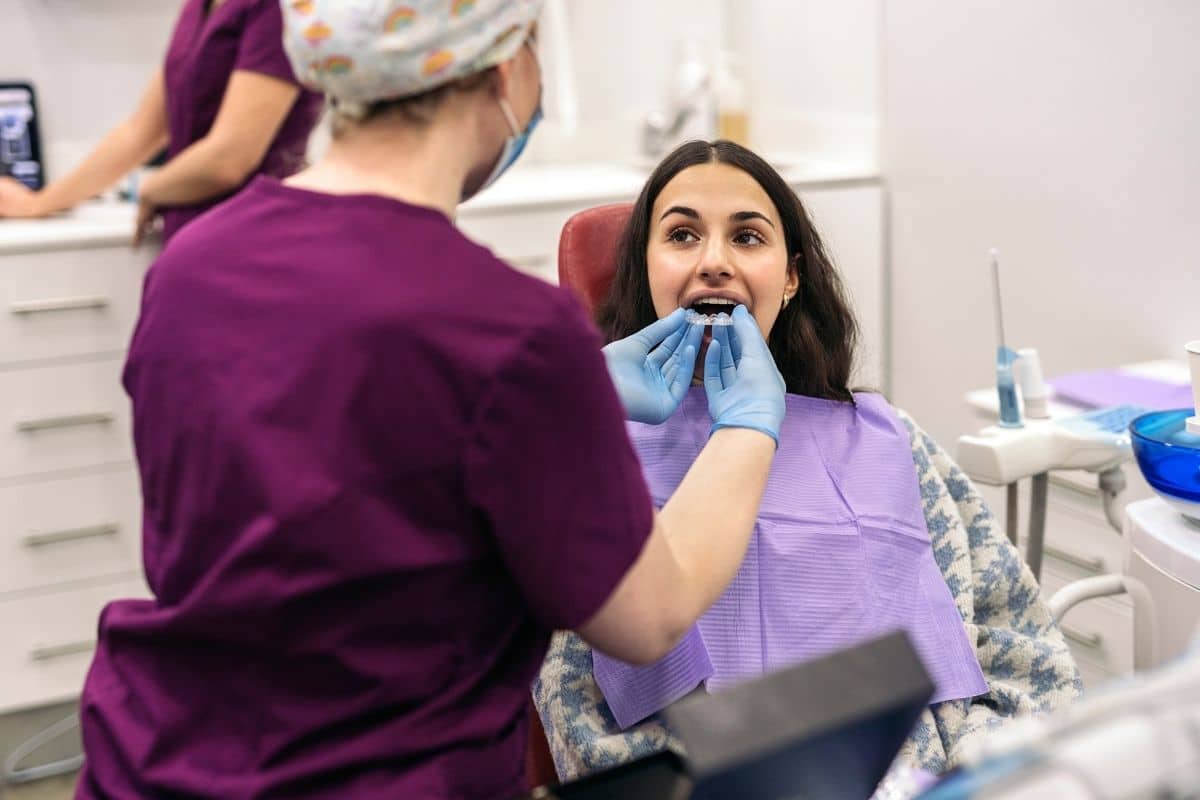
Regular visits to your orthodontist are essential for monitoring your progress. During each visit, your orthodontist will assess how well your braces are working and make any necessary adjustments to ensure that your treatment stays on track. These appointments are critical for maintaining steady progress and adjusting your treatment plan as needed.
Importance of Adjustments
The adjustments made during these visits help maintain the pressure on your teeth, guiding them toward their final positions. Your orthodontist will also monitor any issues like broken brackets or wires and address them promptly to avoid delays in treatment.
6. Patience and Consistency
It’s important to remember that braces work slowly, but they do work! Some visible changes will appear within the first few months, but achieving the final results will take time. Keep following your orthodontist’s instructions carefully, maintain excellent oral hygiene, and stay patient throughout the process.
Conclusion
If you’re wondering whether your braces are working, the key signs include visible tooth movement, changes in your bite, and reduced discomfort after adjustments. With adult braces, you may notice small gaps closing or crowded teeth slowly aligning. Regular check-ups with your orthodontist and tracking progress through photos and milestones can help you stay motivated. With dedication and patience, you’ll soon be on your way to the beautiful, healthy smile you’ve always wanted.
At Cumming Pediatric Dentistry & Orthodontics, we are committed to helping our patients achieve their best smiles. If you have any questions about your braces or would like to schedule an appointment, don’t hesitate to contact us!
FAQs
1. How long does it take to see results from braces?
While some small changes may be visible within the first few months, full results typically take 12–24 months, depending on your treatment plan.
2. What should I do if my braces are causing a lot of pain?
If the pain persists longer than a few days or feels excessive, contact your orthodontist. They can assess if any adjustments are necessary.
3. How often should I visit my orthodontist during treatment?
You should visit your orthodontist every 4–8 weeks for regular check-ups and adjustments. These visits ensure your braces are working as intended.