
(678) 578-5384

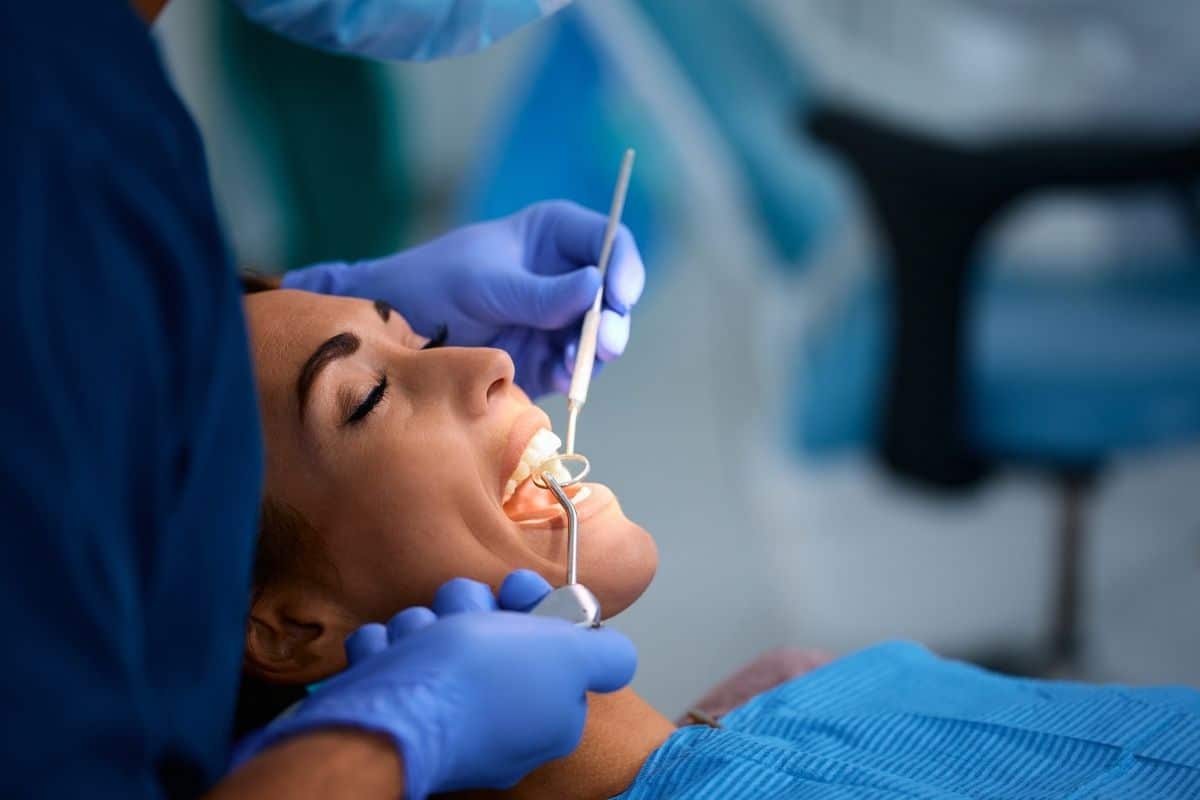
A healthy bite is essential for chewing, speaking, and overall oral comfort. However, when the lower jaw protrudes excessively, it can lead to a more severe condition known as a Stage 3 underbite. Many families in Cumming and nearby areas like Alpharetta, Suwanee, and Johns Creek explore solutions such as Braces in Cumming to address this issue early. A Stage 3 underbite is not just a cosmetic concern; it can affect daily function and long-term dental health. Understanding what it is and how it’s treated can help you make informed decisions for yourself or your child.
Understanding a Severe Underbite
A Stage 3 underbite, also referred to as a severe Class III malocclusion, occurs when the lower jaw sits significantly ahead of the upper jaw. This creates an improper bite where the lower teeth overlap the upper teeth.
In mild cases, the issue may involve only the teeth. However, in Stage 3 cases, the problem often includes the jaw structure, making it more complex to treat. This level of misalignment typically requires a comprehensive orthodontic approach.
Signs That Indicate a More Advanced Condition
A Stage 3 underbite can impact more than just appearance. Many patients experience noticeable functional challenges, including:
- Difficulty biting into foods like sandwiches or apples
- Trouble chewing efficiently
- Speech issues, such as unclear pronunciation
- A prominent lower jaw or chin
- Facial imbalance
- Jaw pain or clicking (often linked to TMJ concerns)
These symptoms can gradually worsen, making early diagnosis important.
What Causes a Stage 3 Underbite?
There are several reasons why a severe underbite develops. In most cases, it’s a combination of factors rather than a single cause.
Genetic Influence:
Jaw shape and size are often inherited, making family history a strong contributing factor.
Uneven Jaw Growth:
If the lower jaw grows faster or larger than the upper jaw, it can create a noticeable imbalance.
Oral Habits in Childhood:
Prolonged thumb sucking or tongue thrusting may contribute to misalignment over time.
Injury or Medical Conditions:
Trauma to the jaw or certain developmental issues can also affect alignment.
Understanding the cause helps dental professionals choose the most effective treatment plan.
How the Condition Is Diagnosed
Diagnosing a Stage 3 underbite involves a detailed orthodontic evaluation. This typically includes:
- A visual examination of teeth and bite
- Digital X-rays to assess bone positioning
- 3D scans or impressions of the teeth
- Facial analysis to evaluate symmetry
This comprehensive process helps determine whether the issue is dental, skeletal, or both, guiding the right treatment approach.
Treatment Options Based on Age and Severity
Treatment for a Stage 3 underbite varies depending on how severe the condition is and the patient’s age.
Early Treatment for Growing Patients
In children and teens, orthodontists can guide jaw development while the bones are still growing. Treatment options may include:
- Growth-modifying appliances
- Palatal expanders
- Reverse-pull headgear
These approaches can reduce the severity of the underbite and may prevent the need for surgery later.
Treatment for Adults
For adults, treatment focuses on correcting alignment rather than guiding growth. In some cases, adult braces can help reposition the teeth and improve bite function.
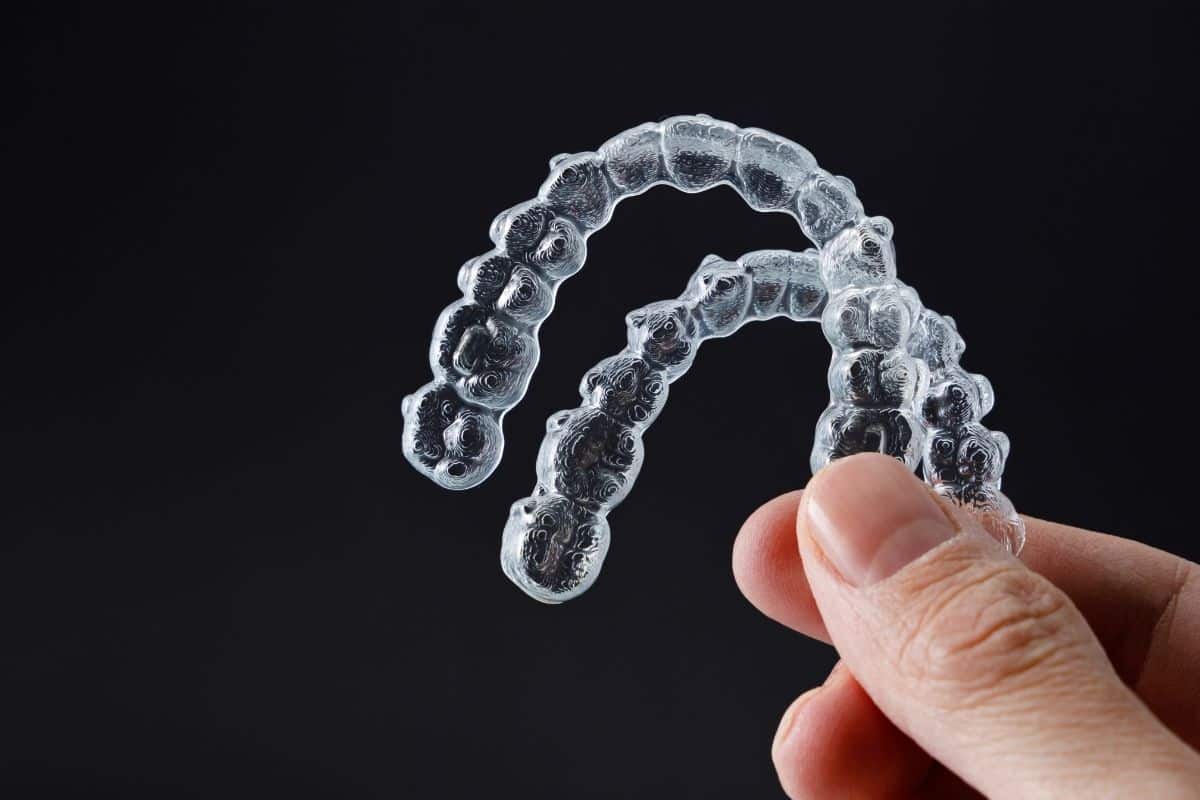
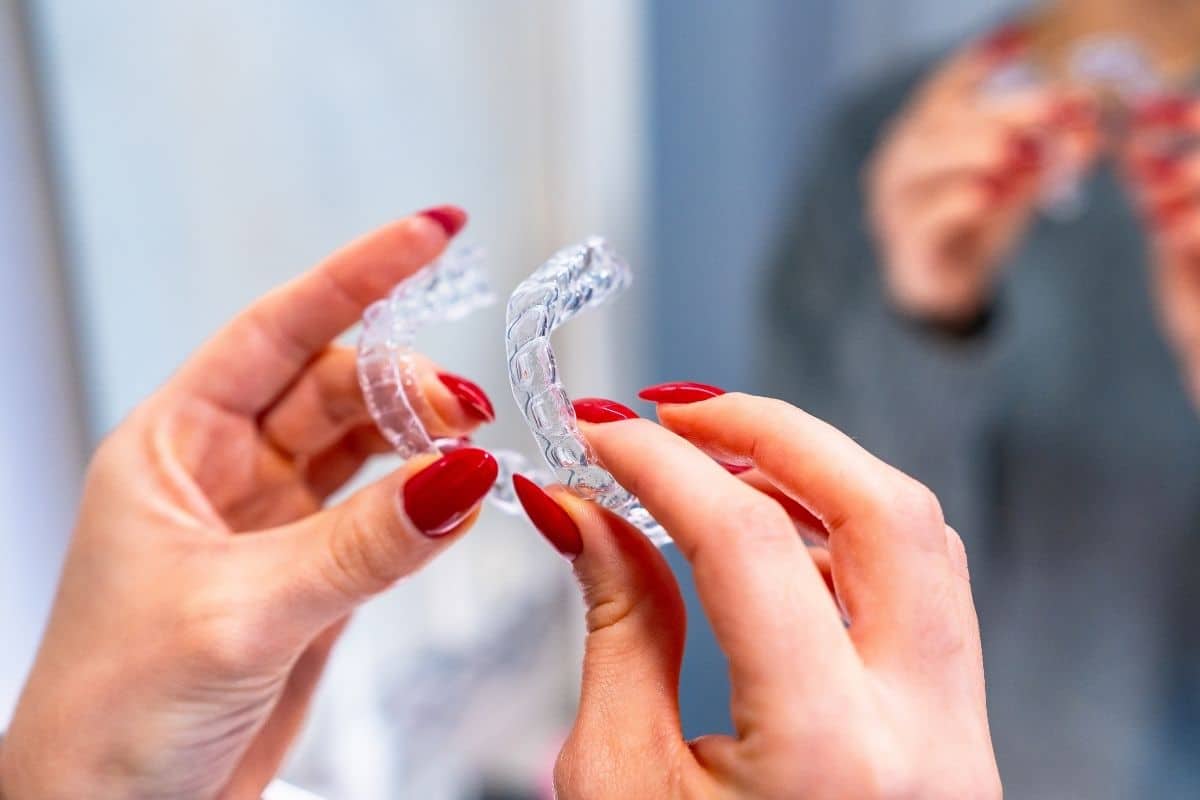
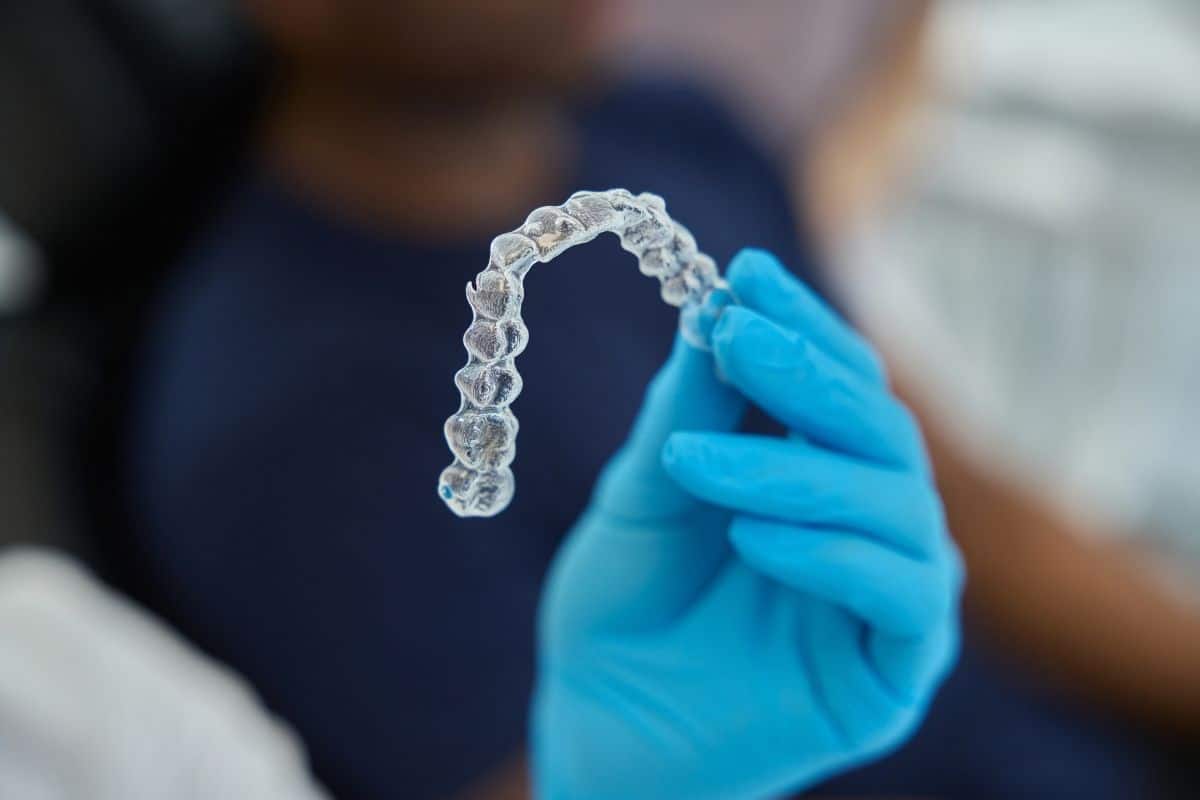
Clear aligners may also be an option for mild to moderate cases. However, when the issue involves significant jaw misalignment, additional treatment may be necessary.
When Orthodontics Alone Isn’t Enough
In more severe Stage 3 cases, orthodontic treatment alone may not fully correct the problem. When the jaw position is the primary issue, orthognathic surgery may be recommended.
This procedure involves repositioning the upper or lower jaw to achieve proper alignment. While it requires careful planning and recovery time, it can significantly improve:
- Bite function
- Facial balance
- Long-term oral health
Orthodontic care is usually combined with surgery to ensure the best results.
Why Treatment Matters for Long-Term Health
Leaving a Stage 3 underbite untreated can lead to several complications over time, such as:
- Excessive wear on teeth
- Increased risk of cavities and gum disease
- Chronic jaw pain or discomfort
- Difficulty maintaining proper oral hygiene
Correcting the issue not only improves appearance but also supports better overall dental health. According to the Centers for Disease Control and Prevention, maintaining proper oral alignment plays a key role in preventing long-term dental problems.
Maintaining Results After Treatment
After correcting a Stage 3 underbite, maintaining the results is essential. Patients are typically advised to:
- Wear retainers as instructed
- Practice consistent oral hygiene
- Attend regular dental visits
- Avoid habits that may strain the jaw
These steps help preserve the corrected alignment and prevent relapse.
Conclusion
A Stage 3 underbite is a complex condition that affects both the function and appearance of your smile, but it is highly treatable with modern orthodontic care. Whether identified early in childhood or addressed later in adulthood, there are effective solutions available to restore proper alignment and comfort. If you’re noticing signs of a severe underbite, seeking professional guidance is the best first step. The team at Cumming Pediatric Dentistry & Orthodontics can evaluate your needs and help you move forward with a personalized treatment plan designed for long-term oral health.