
(678) 578-5384

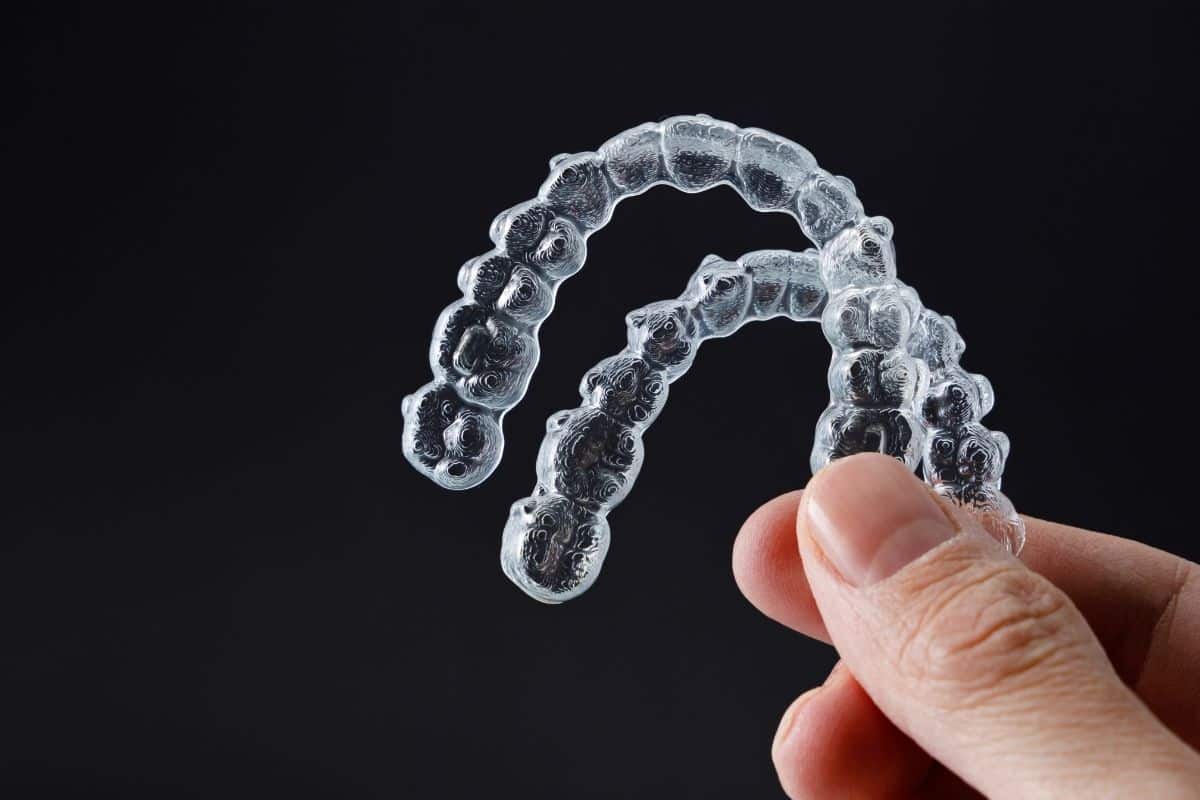
A straighter smile can improve both confidence and oral health, which is why many teens and adults across Cumming, Alpharetta, and nearby communities choose Invisalign treatment. While aligners are designed to be discreet, some patients become concerned when they notice yellowing on their teeth or trays during treatment. If you are considering or currently using invisalign in cumming, understanding why discoloration happens can help you protect your smile throughout the process. In most cases, yellowing is linked to daily habits, oral hygiene routines, or staining foods and drinks. The good news is that there are practical ways to prevent and manage discoloration while keeping your treatment on track.
Why Discoloration Happens During Treatment
Many patients expect their aligners to stay crystal clear from start to finish. However, aligners are worn for most of the day, which means they are constantly exposed to saliva, bacteria, and the foods or drinks consumed throughout the day.
One of the most common causes of discoloration is plaque buildup. When teeth are not brushed properly before aligners are reinserted, bacteria and food particles become trapped between the trays and the enamel. Over time, this can leave teeth looking dull or yellow.
Another contributing factor is staining beverages. Coffee, tea, dark sodas, sports drinks, and red wine contain pigments that easily cling to both teeth and aligners. Even drinking these beverages for a short period while wearing trays can create visible staining.
Smoking and vaping can also affect the appearance of teeth and aligners. Nicotine and tar quickly discolor clear plastic trays and may leave yellow or brown stains on enamel.
The Connection Between Oral Hygiene and Yellow Teeth
Keeping teeth clean during orthodontic treatment requires extra attention. Since aligners fit snugly against the teeth, any leftover plaque or food debris stays trapped until the trays are removed again.
Patients who skip flossing or brush too quickly may notice:
- Increased plaque buildup
- Surface stains near the gumline
- Bad breath
- Cloudy or yellow aligners
- Greater risk of cavities
A consistent oral hygiene routine is one of the best ways to maintain a brighter smile during treatment. Dentists often recommend brushing after every meal and rinsing aligners before placing them back in the mouth.
According to the American Dental Association, maintaining daily brushing and flossing habits is essential for reducing plaque and protecting tooth enamel.
Foods and Drinks That Commonly Cause Staining
Certain foods and beverages are known to stain enamel more easily than others. During aligner treatment, these stains may become more noticeable because trays create close contact against the teeth.
Some common culprits include:
- Coffee and espresso drinks
- Black tea
- Tomato-based sauces
- Curry dishes
- Soy sauce
- Berries
- Dark-colored sodas
- Sports drinks
Patients do not necessarily need to avoid these foods completely, but it is important to remove aligners before eating or drinking anything except water.
Drinking more water throughout the day can also help wash away food particles and reduce staining pigments before they settle on enamel.
How Aligner Care Affects Appearance
Proper tray maintenance plays a major role in keeping aligners clear and fresh-looking. Many patients accidentally damage their trays by cleaning them incorrectly.
Some common mistakes include:
- Using toothpaste on aligners
- Cleaning with hot water
- Using colored mouthwash
- Skipping daily cleaning
- Leaving trays exposed outside their case
Toothpaste may seem harmless, but many formulas contain abrasive particles that create microscopic scratches in the plastic. These scratches make it easier for stains and bacteria to collect.
Instead, dentists often recommend cleaning trays with clear antibacterial soap, aligner cleaning crystals, or approved soaking solutions.
Patients using a Clear aligner system should also rinse trays every time they remove them to help reduce bacteria buildup and odor.
Is Tooth Yellowing Always Permanent?
Fortunately, yellowing during treatment is often temporary. In many cases, stains are surface-level and can improve with professional cleaning and better home care habits.
Sometimes, teeth may also appear slightly dull due to temporary enamel dehydration. Because aligners cover the teeth for long periods, moisture levels can briefly change, making enamel look less vibrant. Once trays are removed for a period of time, the teeth usually return to their normal appearance.
However, persistent discoloration may require professional attention, especially if plaque has hardened into tartar or if staining has penetrated deeper into the enamel.
Professional Solutions for a Brighter Smile
If brushing and improved cleaning habits are not enough, several dental treatments may help restore a whiter appearance.
Professional Dental Cleanings
Routine cleanings remove plaque and tartar that regular brushing cannot eliminate. This is often the first step for patients noticing yellow buildup during treatment.
Whitening Treatments
Some patients choose professional whitening after completing aligner treatment. Dentists may recommend in-office whitening or customized take-home trays depending on the condition of the enamel.
Bonding or Cosmetic Improvements
For deeper stains or uneven discoloration, cosmetic bonding may help improve appearance by covering affected areas with tooth-colored material.
A dental professional can determine which option is safest based on the patient’s oral health and stage of treatment.
Daily Habits That Help Keep Teeth Clear
Small daily habits can make a major difference throughout orthodontic treatment.
Helpful practices include:
- Brushing after every meal
- Flossing at least once daily
- Drinking plenty of water
- Removing aligners before eating
- Avoiding tobacco products
- Cleaning trays morning and night
- Storing trays in a protective case
Patients who travel frequently or spend long hours away from home may benefit from carrying a small oral hygiene kit with a toothbrush, floss, and an aligner case.
Consistency is often the key to preventing discoloration before it becomes noticeable.
When It Is Time to Contact Your Dentist
Some changes in aligner appearance are normal, especially near the end of a wear cycle. However, patients should contact their dentist if they notice:
- Persistent yellowing that does not improve
- Tooth sensitivity
- White spots on teeth
- Strong odors from aligners
- Cracked or warped trays
- Gum irritation or swelling
Regular dental visits allow professionals to monitor oral health and identify issues before they become more serious.
Protecting Your Smile Throughout Treatment
Clear aligner treatment can deliver excellent results when combined with good oral hygiene and healthy habits. Most cases of yellowing are preventable and manageable with the right care routine. By keeping aligners clean, avoiding staining beverages, and maintaining regular dental checkups, patients can enjoy a straighter smile without unwanted discoloration.
If you have questions about aligner care or concerns about changes in tooth color during treatment, contact us today to schedule an appointment with Cumming Pediatric Dentistry & Orthodontics.