
(678) 578-5384

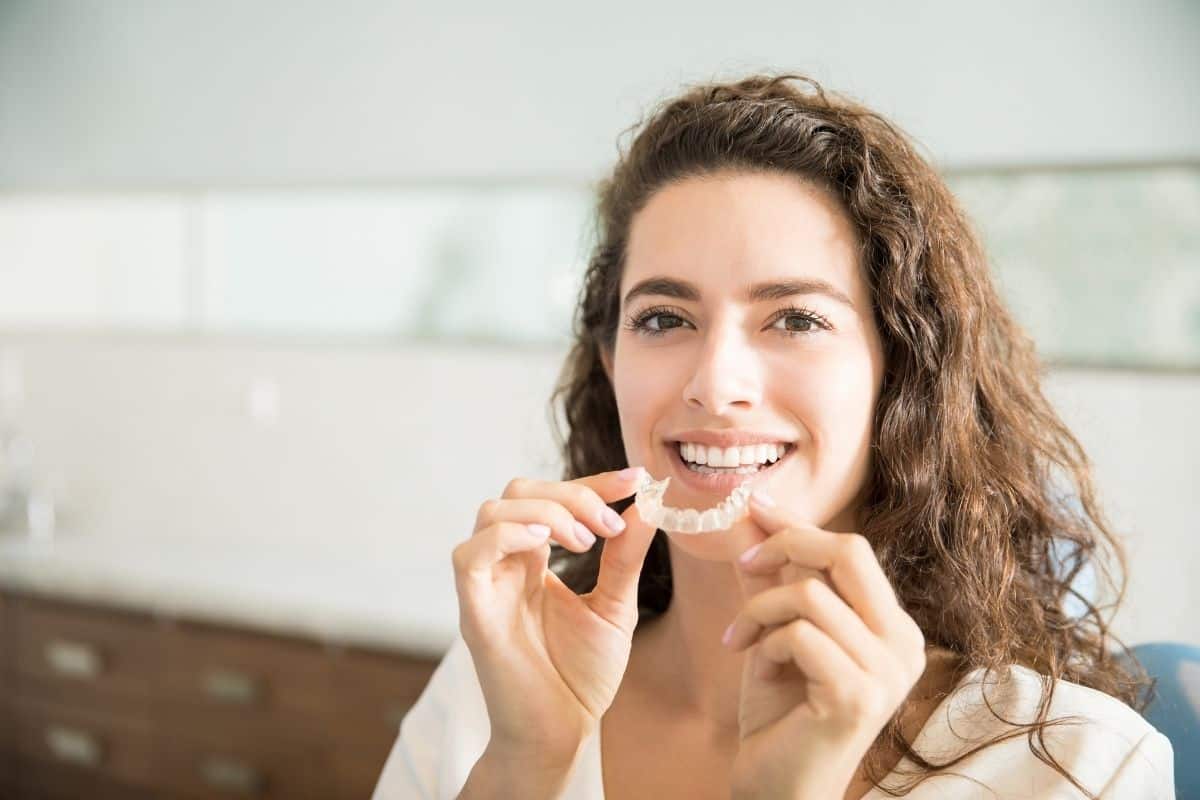
Finishing braces or clear aligner treatment is a big milestone, but it’s not the end of your orthodontic journey. Many patients in Cumming and nearby communities like Alpharetta, Milton, and Suwanee are surprised to learn that retainers play a lifelong role in protecting their new smile. If you’ve recently completed treatment or are planning, understanding retainer use is essential. A trusted orthodontist in cumming will always emphasize retention as the key to long-term success. Without it, teeth can gradually shift back, undoing months or even years of progress.
Why Retainers Matter More Than You Think
After braces come off, your teeth may look perfectly aligned, but beneath the surface, they’re still stabilizing. The periodontal ligaments and surrounding bone need time to adapt to their new positions.
This is where retainers come in. They help:
- Prevent orthodontic relapse (teeth shifting back)
- Maintain your bite alignment
- Protect your investment in orthodontic care
Teeth naturally move throughout life due to aging, daily pressure, and jaw changes. Retainers act as a safeguard, keeping everything in place while your smile settles.
The Typical Retainer Timeline Explained
The First Few Months: Full-Time Commitment
Right after treatment, most patients are instructed to wear retainers 20–22 hours per day. This means:
- Wearing them day and night
- Removing only for eating, drinking (except water), and brushing
This phase usually lasts 3 to 6 months, though some patients may need longer depending on how complex their case was.
The Transition Phase: Nighttime Wear
Once your teeth become more stable, your orthodontist will likely recommend switching to nighttime wear only.
This typically involves:
- Wearing retainers 8–10 hours per night
- Continuing this routine for at least a year or longer
This stage is crucial because teeth can still shift if retention is reduced too soon.
Long-Term Maintenance: A Lifelong Habit
Here’s the honest answer most patients don’t expect:
Retainers are often a lifelong commitment.
Over time, you may:
- Wear them every night
- Reduce to a few nights per week (if approved)
However, stopping completely increases the risk of your teeth moving out of alignment even years later.
Different Types of Retainers and How They Work
Removable Wire Retainers
Often called traditional retainers, these include a combination of acrylic and metal wire.
- Durable and adjustable
- Easy to clean
- Visible but long-lasting
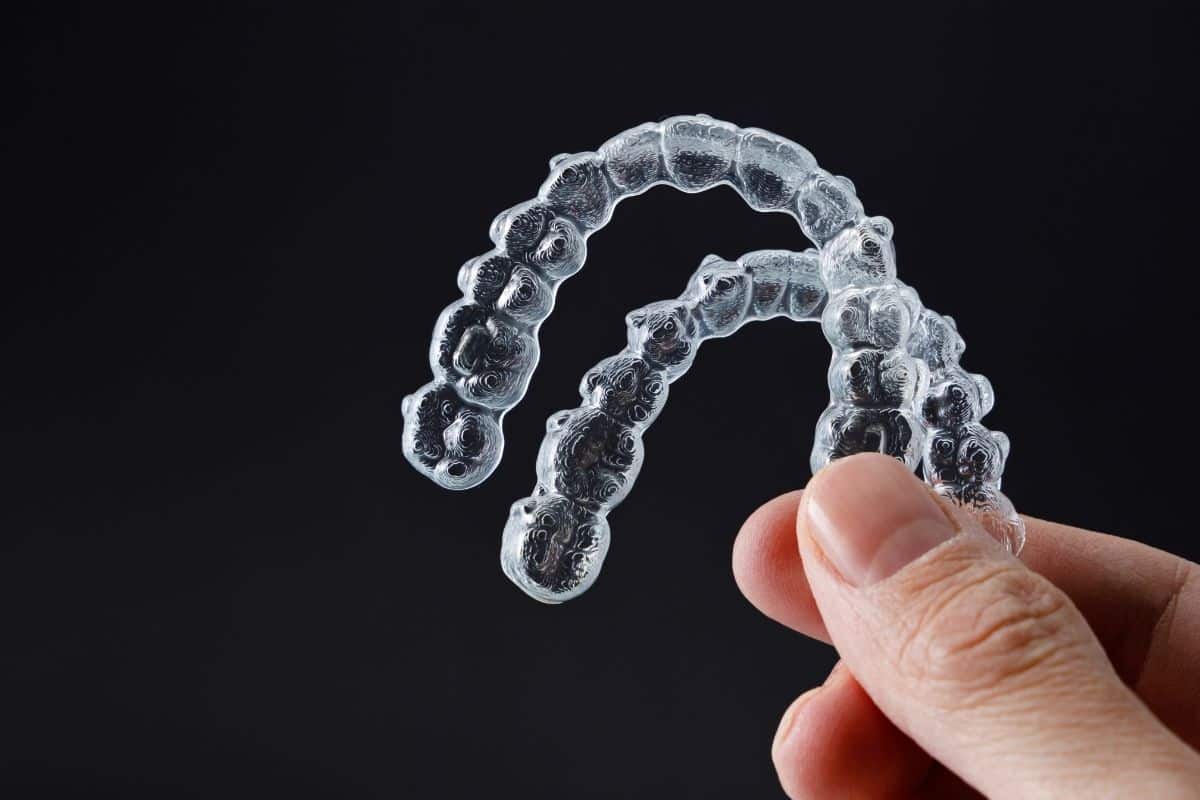
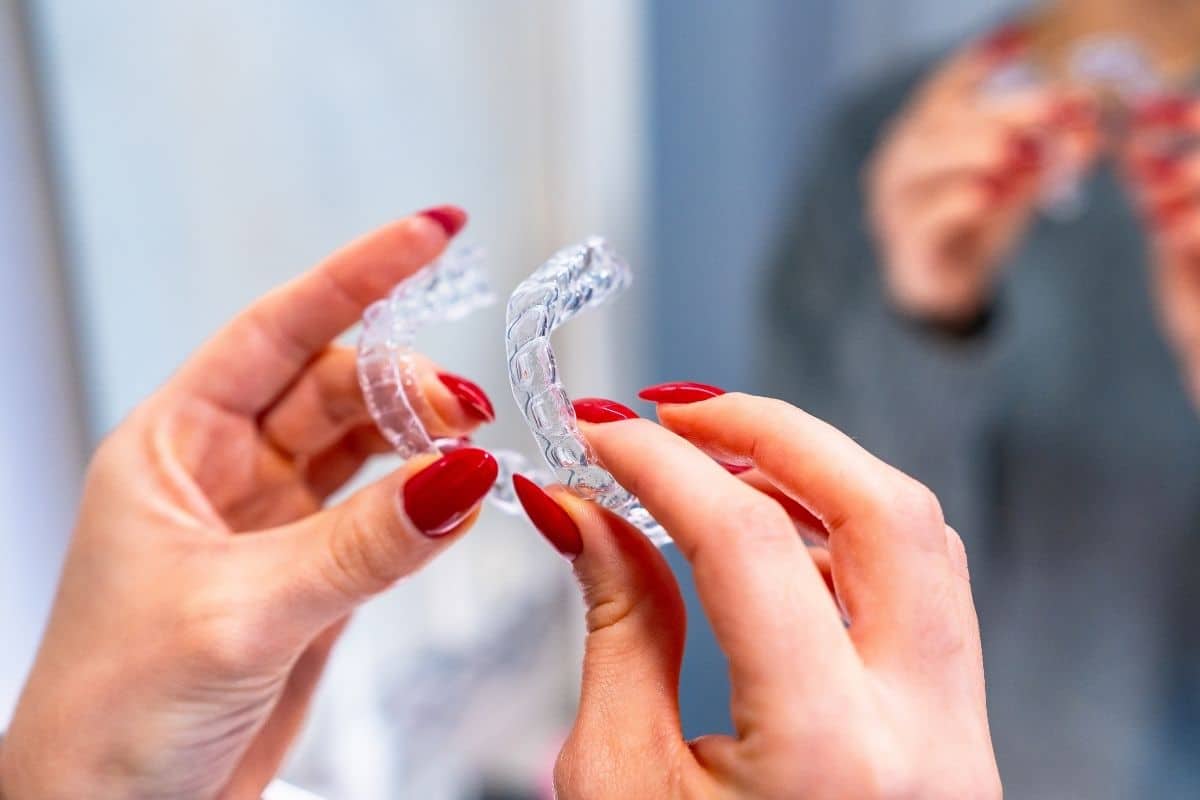
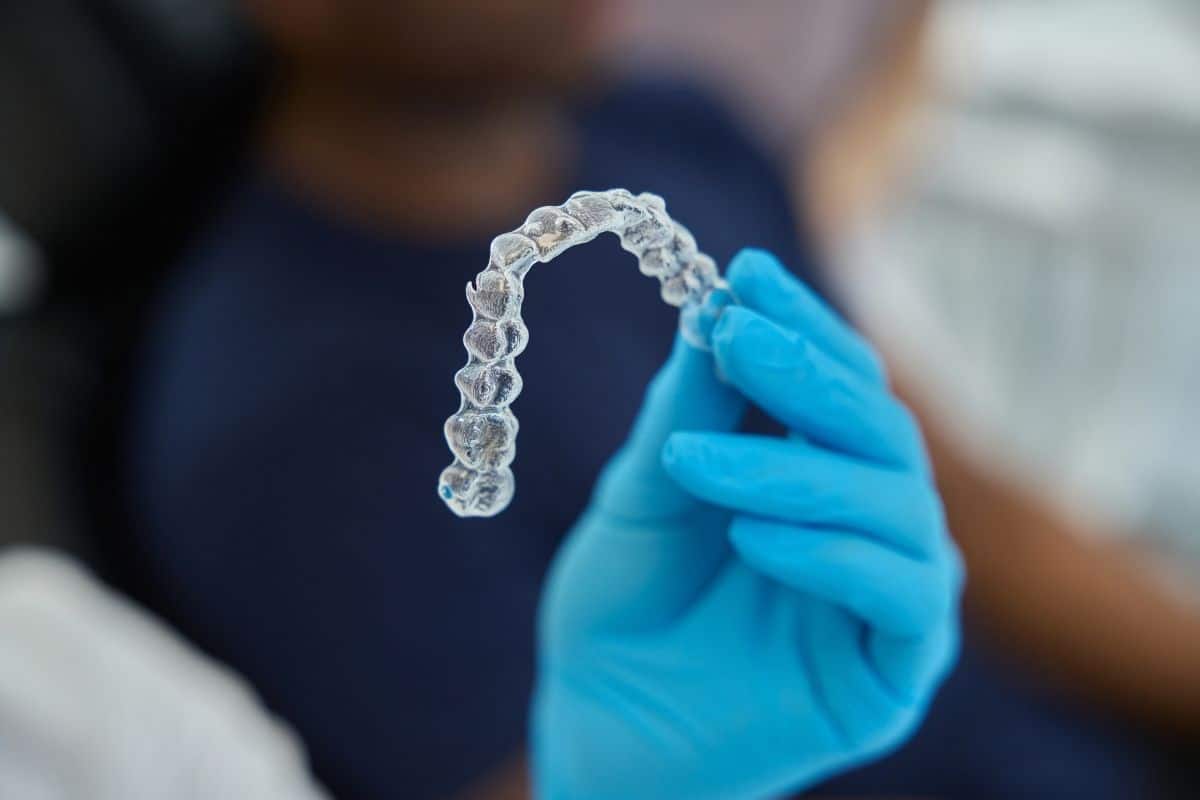
Clear Plastic Retainers
These are popular for their nearly invisible look and snug fit.
- Comfortable and discreet
- Custom-made trays for upper and lower teeth
- Require replacement over time
Fixed (Bonded) Retainers
These are attached behind the teeth and stay in place continuously.
- Ideal for patients prone to shifting
- No need to remember to wear them
- Require extra care when cleaning
Your provider at an orthodontic clinic will recommend the best type based on your specific needs and lifestyle.
What Happens If You Stop Wearing Your Retainer?
Skipping your retainer even briefly can lead to noticeable changes.
Here’s what might happen:
- Teeth begin shifting within days (especially early on)
- Retainers feel tight or uncomfortable when reinserted
- Alignment gradually worsens over time
If your retainer no longer fits, avoid forcing it. This could damage both your teeth and the appliance. Instead, contact your orthodontist for guidance.
How Long Do Retainers Last?
Retainers aren’t permanent devices, even if you wear them long-term. Their lifespan depends on the type and how well you care for them.
- Clear retainers: Typically last 3–5 years
- Wire retainers: Can last 5–10 years or longer
- Fixed retainers: May last several years with proper maintenance
Replacing worn or damaged retainers is essential to maintaining alignment.
Simple Tips to Make Retainers Last Longer
Taking care of your retainer ensures it stays effective and hygienic.
Follow these best practices:
- Clean daily using gentle, approved solutions
- Avoid hot water (it can warp the material)
- Store in a protective case when not in use
- Remove before eating or drinking anything other than water
- Brush and floss regularly to maintain oral hygiene
Consistent care helps extend the life of your retainer and protects your smile.
Are Retainers Really Forever?
It may sound overwhelming, but wearing a retainer long-term is much easier than repeating orthodontic treatment. Many adults who skipped retention in the past end up needing braces again due to shifting teeth.
The reality is simple:
- Teeth move naturally over time
- Retainers are the only reliable way to maintain alignment
- A few nights a week can make a lifelong difference
According to the National Institutes of Health, long-term retention is essential for maintaining orthodontic results and preventing relapse.
Conclusion
Retainers are the final and most important phase of your orthodontic journey. While full-time wear is temporary, maintaining your results requires a long-term commitment. By following your orthodontist’s instructions and staying consistent, you can enjoy a straight, healthy smile for years to come.
If you have questions about your retainer schedule or need a replacement, the team at Cumming Pediatric Dentistry & Orthodontics is here to help. Reach out today to schedule a consultation and keep your smile looking its best.