
(678) 578-5384

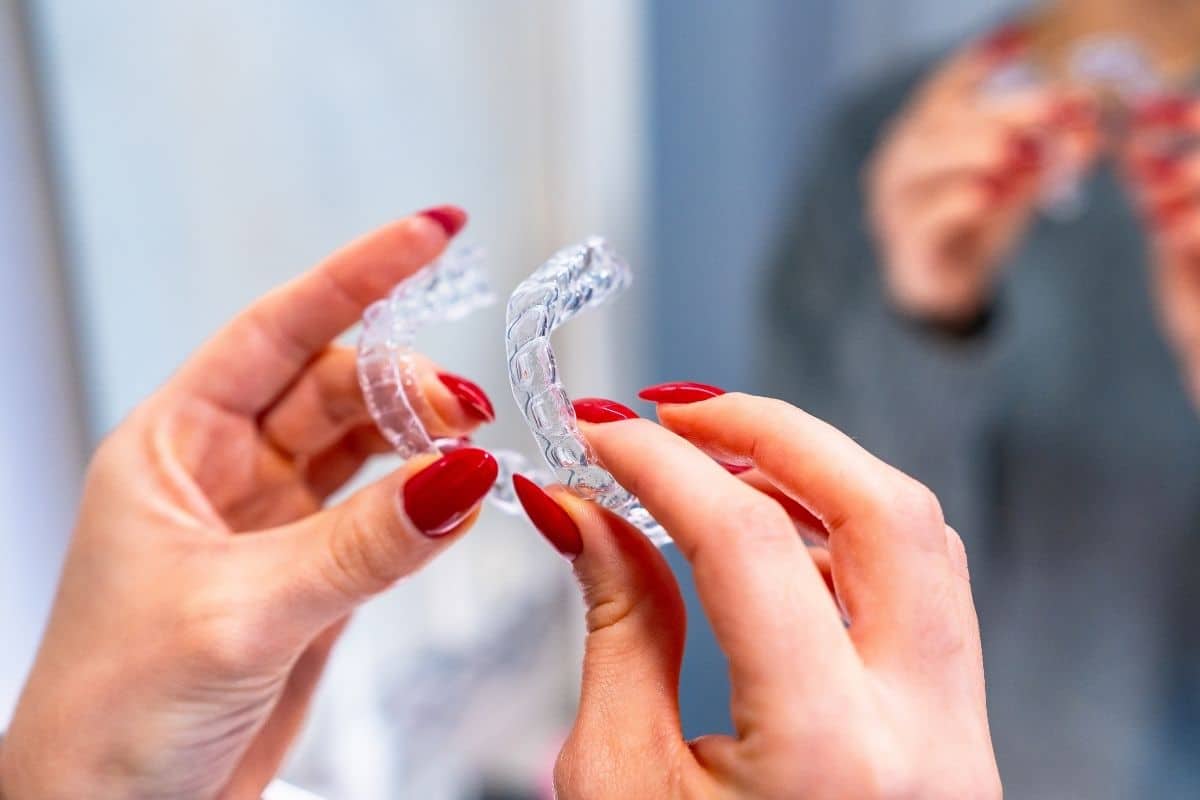
A straighter smile can improve both confidence and oral health, but many patients wonder what happens once they reach the end of their clear aligner journey. If you’re considering Invisalign in cumming, understanding the final stage of treatment can help you feel prepared and confident about the process. Patients throughout Cumming, Sugar Hill, Johns Creek, and nearby communities often ask what comes after the last tray and how to maintain their results long term.
The final phase of Invisalign treatment is about more than simply finishing your last set of aligners. It includes evaluating your progress, stabilizing your teeth, and protecting your newly aligned smile for years to come. Knowing what to expect during this stage can help you stay committed to your treatment plan and achieve the best possible outcome.
Reaching the End of Active Tooth Movement
As you near the end of your Invisalign treatment, your teeth should be close to their ideal positions. During this stage, the final aligners focus on making smaller adjustments that improve overall alignment and bite balance. These subtle movements are important because even tiny corrections can affect the appearance and function of your smile.
Most patients are instructed to continue wearing their trays for 20 to 22 hours each day until their orthodontist confirms treatment is complete. Skipping wear time during the last phase can delay results or create unwanted shifting. Consistency remains essential, even when your smile already looks significantly improved.
Your orthodontic team will usually schedule a final evaluation to examine tooth positioning, spacing, and bite alignment. Digital scans or impressions may be taken to compare your results with the original treatment plan.
Why Refinements Are Sometimes Necessary
Many patients are surprised to learn that additional aligners may be recommended after the initial series is complete. These are called refinement trays, and they are designed to correct minor areas that still need improvement.
Refinements are common because teeth do not always move exactly as predicted. Small changes in wear habits, anatomy, or bite pressure can affect tooth movement during treatment. A refinement phase may help address:
- Minor spacing concerns
- Slight tooth rotations
- Bite alignment adjustments
- Uneven contact between teeth
This stage is usually shorter than the original treatment process and often lasts only a few weeks or months. Patients who remain committed to wearing their trays consistently typically see excellent final results.
What Happens During Your Final Appointment?
Your final Invisalign appointment is an exciting milestone. During this visit, your orthodontist will carefully review your smile and confirm whether your treatment goals have been achieved.
The appointment may include:
- Reviewing your bite alignment
- Removing any attachments or buttons from your teeth
- Taking digital scans for retainers
- Discussing long-term maintenance instructions
- Evaluating gum and jaw health
Once attachments are removed, many patients notice their teeth feel smoother and more natural. This appointment also marks the transition from active treatment into the retention phase, which plays a critical role in preserving your results.
The Importance of Wearing Retainers
After Invisalign treatment ends, your teeth still need time to stabilize in their new positions. The surrounding bone and tissues continue adapting for several months, which means teeth can gradually shift if retainers are not worn as instructed.
Retainers help maintain alignment and prevent relapse. Depending on your needs, your orthodontist may recommend removable retainers or fixed retainers attached behind certain teeth.
Most patients begin by wearing retainers full-time before transitioning to nighttime use. Long-term retainer wear is one of the most important parts of maintaining a straight smile.
Without retainers, even well-aligned teeth can slowly move over time due to natural aging, chewing forces, and daily jaw activity.
Caring for Your Retainers the Right Way
Proper retainer care helps extend the life of your appliance and supports good oral hygiene. Since retainers are worn regularly, they can collect bacteria and plaque if not cleaned properly.
Helpful retainer care habits include:
- Rinsing retainers after removal
- Cleaning them daily with mild soap or an approved cleaner
- Avoiding hot water that may warp the material
- Storing them safely in a protective case
- Bringing them to dental appointments for evaluation
Patients who care for their retainers consistently are less likely to experience damage, odor buildup, or fit problems.
How Teeth and Bone Continue Adjusting
Even after aligners are finished, your mouth continues adapting to the new tooth positions. The jawbone and surrounding tissues need time to fully remodel and stabilize.
This natural biological process explains why retention is so important after orthodontic treatment. Teeth are supported by ligaments and bone structures that slowly adjust as movement occurs. During the months following treatment, retainers help keep everything stable while these tissues strengthen around the new alignment.
Patients who stop wearing retainers too early may notice crowding, spacing, or bite changes returning gradually over time.
Signs Your Teeth May Be Shifting
It is important to recognize early signs of relapse after Invisalign treatment. Addressing minor movement quickly can help prevent more significant alignment problems later.
Some common signs include:
- Retainers feeling unusually tight
- Small gaps reopening between teeth
- Front teeth beginning to overlap
- Changes in bite comfort
- Difficulty in seating retainers fully
If you notice any of these changes, contact your orthodontic provider promptly. Early intervention can often correct small shifts before they become more noticeable.
Benefits of Modern Orthodontic Technology
Today’s orthodontic treatments are more precise and comfortable than ever before. Many patients appreciate the convenience and discreet appearance of a Clear aligner system compared to traditional braces.
Advanced digital imaging and treatment planning allow orthodontists to map tooth movement with greater accuracy throughout each phase of care. These technologies also help improve patient comfort and provide better insight into expected outcomes before treatment even begins.
Because aligners are removable, patients can continue brushing, flossing, and eating normally while maintaining good oral hygiene throughout treatment.
Maintaining Your Smile for Years to Come
Completing Invisalign treatment is a major achievement, but maintaining your smile requires long-term commitment. Daily oral hygiene, regular dental checkups, and proper retainer use all contribute to lasting results.
Healthy habits that support your smile include:
- Brushing twice daily with fluoride toothpaste
- Flossing every day
- Wearing retainers as directed
- Attending regular dental cleanings
- Avoiding habits that place pressure on teeth, such as grinding
Patients who stay proactive about their dental care are more likely to enjoy stable orthodontic results for many years.
Conclusion
The final stage of Invisalign treatment is an important transition that focuses on protecting and maintaining your new smile. From refinement trays to retainer wear, every step helps ensure your teeth remain healthy, aligned, and stable long after treatment ends. Patients in Cumming and surrounding areas can benefit from understanding the retention process and following professional guidance closely.
If you have questions about Invisalign treatment or want to learn more about what to expect during the final phase, contact Cumming Pediatric Dentistry & Orthodontics to schedule an appointment and explore your options for achieving a confident, healthy smile.