
(678) 578-5384


Every parent wants their child to have a healthy, confident smile, but knowing when to visit an orthodontist is not always obvious. Some orthodontic concerns are easy to notice, such as crooked teeth or gaps, while others develop slowly as your child grows.
Many parents wait until all permanent teeth come in before considering orthodontic treatment. However, early evaluation can help identify potential problems and determine the right time for treatment.
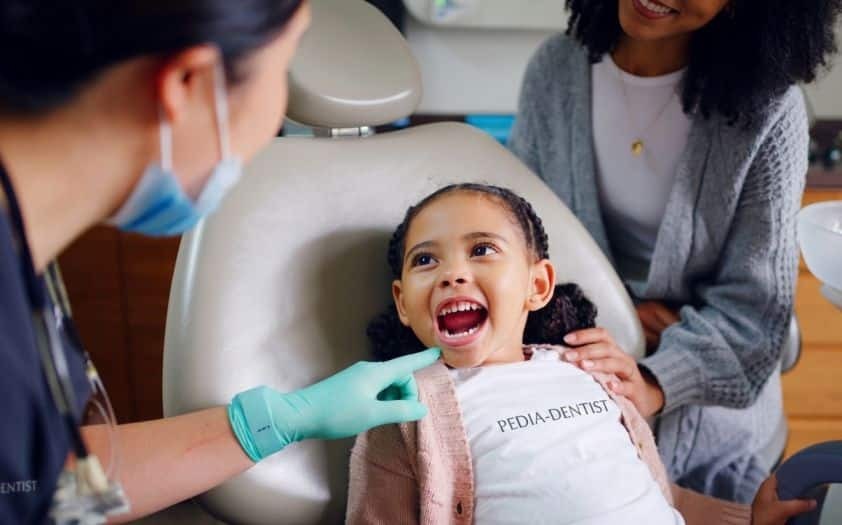
According to the American Association of Orthodontists (AAO), children should have their first orthodontic evaluation by age 7. At this stage, an orthodontist can monitor jaw growth, tooth development, and bite patterns to identify concerns before they become more complicated.
If you are searching for an orthodontist in Cumming, GA, understanding the warning signs of orthodontic problems can help you take action at the right time and support your child’s long-term oral health.
Why Early Orthodontic Evaluations Matter
An orthodontic evaluation does not always mean your child will immediately need braces. Instead, it gives an orthodontist the opportunity to monitor development and recommend treatment only when it is necessary.
During an early evaluation, an orthodontist may check:
- How permanent teeth are developing
- Whether the jaw is growing properly
- How the upper and lower teeth fit together
- Potential crowding or spacing issues
- Signs of bite problems
Early detection can make future treatment more predictable and may help prevent more complex orthodontic issues.
At Cumming Pediatric Dentistry & Orthodontics, evaluations are designed to help parents understand their child’s smile development and make informed decisions about orthodontic care.
7 Signs Your Child May Need to See an Orthodontist
Every child’s smile develops differently, but certain signs may indicate that an orthodontic evaluation could be beneficial.
1. Crowded or Overlapping Teeth
Crowding occurs when there is not enough space for teeth to properly align. Teeth may appear twisted, overlap each other, or become difficult to clean.
Crowded teeth can make brushing and flossing more challenging, increasing the risk of plaque buildup and future dental problems.
2. Difficulty Biting or Chewing Food
If your child struggles to bite into foods, chew properly, or their teeth do not come together comfortably, it may indicate a bite issue.
Common bite concerns include:
- Overbite (upper teeth extend too far forward)
- Underbite (lower teeth extend beyond upper teeth)
- Crossbite (some upper teeth sit behind lower teeth)
An orthodontist can evaluate how your child’s teeth and jaws work together.
3. Mouth Breathing or Sleeping Concerns
Frequent mouth breathing can sometimes be associated with jaw development and airway-related concerns.
If your child regularly breathes through their mouth, snores, or has difficulty keeping their lips closed comfortably, discussing these concerns with a dental professional may be helpful.
4. Teeth That Appear Too Early or Too Late
The timing of tooth development varies, but unusual patterns can sometimes indicate an underlying orthodontic concern.
An orthodontist can monitor whether permanent teeth are erupting correctly and identify potential issues with spacing or tooth positioning.
5. Speech or Jaw Development Concerns
Certain alignment issues can affect speech patterns, jaw comfort, and overall oral function.
Signs may include:
- Difficulty pronouncing certain sounds
- Jaw discomfort
- Clicking or discomfort while opening and closing the mouth
These concerns may benefit from professional evaluation.
6. Your Child Hides Their Smile
A child’s confidence can be affected by concerns about crooked teeth, gaps, or their appearance.
Orthodontic treatment is not only about creating straighter teeth; it can also help children feel more comfortable and confident about their smiles.
7. Baby Teeth Falling Out Too Early or Too Late
Baby teeth help guide permanent teeth into the correct position. Losing them too early, losing them late, or having unusual tooth patterns may affect future alignment.
An orthodontist can determine whether monitoring or early intervention is recommended.
Common Orthodontic Concerns Parents Should Know
| Orthodontic Concern | What Parents May Notice | Why Evaluation Matters |
| Crowded teeth | Teeth overlap or appear twisted | Helps create proper space and alignment |
| Overbite | Upper teeth cover too much of lower teeth | Can affect bite function and tooth wear |
| Underbite | Lower teeth sit ahead of upper teeth | Early monitoring supports jaw development |
| Crossbite | Teeth do not line up properly | May affect chewing and growth patterns |
| Spacing issues | Large gaps between teeth | Helps guide proper tooth positioning |
How an Orthodontist Can Help Your Child’s Smile
Modern orthodontic treatment offers several options depending on your child’s age, dental development, and specific needs.
Treatment options may include:
- Orthodontic monitoring
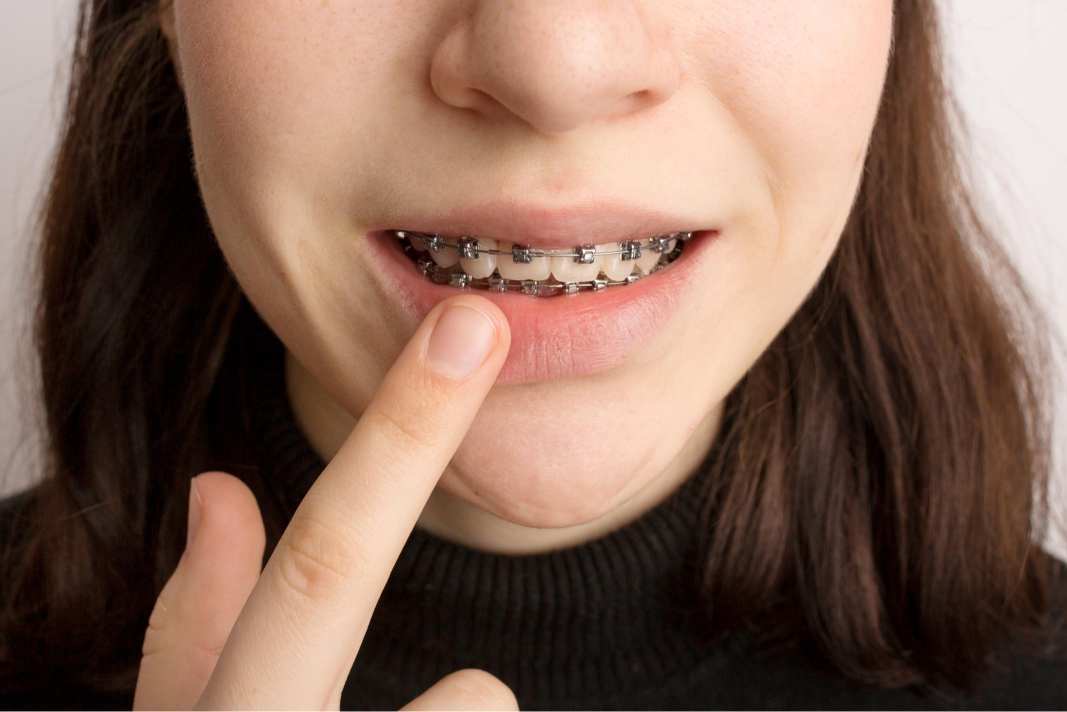
- Traditional braces
- Clear braces
- Invisalign or clear aligner options when appropriate
- Space management solutions
The right treatment timeline is different for every child. Some children may benefit from early intervention, while others may simply need regular monitoring until they are ready for orthodontic treatment.
A professional evaluation with an experienced orthodontist in Cumming, GA, can provide clarity and help parents understand the next steps.
Why Parents Choose Local Orthodontic Care in Cumming, GA
Choosing a nearby orthodontic provider allows families to receive consistent care throughout their child’s orthodontic journey.
Orthodontic treatment often involves regular appointments, progress checks, and adjustments. Having a trusted orthodontic team nearby makes it easier for parents to stay involved and ensure their child receives continuous support.
At Cumming Pediatric Dentistry & Orthodontics, families can receive child-focused dental and orthodontic care in a comfortable environment designed around growing smiles.
Give Your Child’s Smile the Right Start
Knowing when your child needs an orthodontist can make a significant difference in their smile development. Paying attention to early warning signs and scheduling an evaluation at the right time can help identify concerns before they become more difficult to manage.
If you notice crowded teeth, bite problems, unusual tooth development, or changes in your child’s smile, an orthodontic consultation can provide valuable answers.
For families looking for an orthodontist in Cumming, GA, scheduling an evaluation with Cumming Pediatric Dentistry & Orthodontics can be the first step toward building a healthier, more confident smile.
Frequently Asked Questions (FAQ’s)
1. At what age should a child first see an orthodontist?
Children should have their first orthodontic evaluation around age 7 to monitor smile and jaw development.
2. Does my child need braces immediately after an orthodontic evaluation?
No, many children only need monitoring until the ideal treatment time.
3. What are the biggest signs my child needs an orthodontist?
Crowded teeth, bite problems, mouth breathing, and delayed tooth development are common warning signs.
4. Can orthodontic treatment improve more than appearance?
Yes, orthodontic treatment can improve bite function, tooth alignment, and oral hygiene.
5. How do I find the right orthodontist in Cumming, GA?
Look for an experienced orthodontic provider offering personalized care, child-friendly treatment, and comprehensive evaluations.