
(678) 578-5384

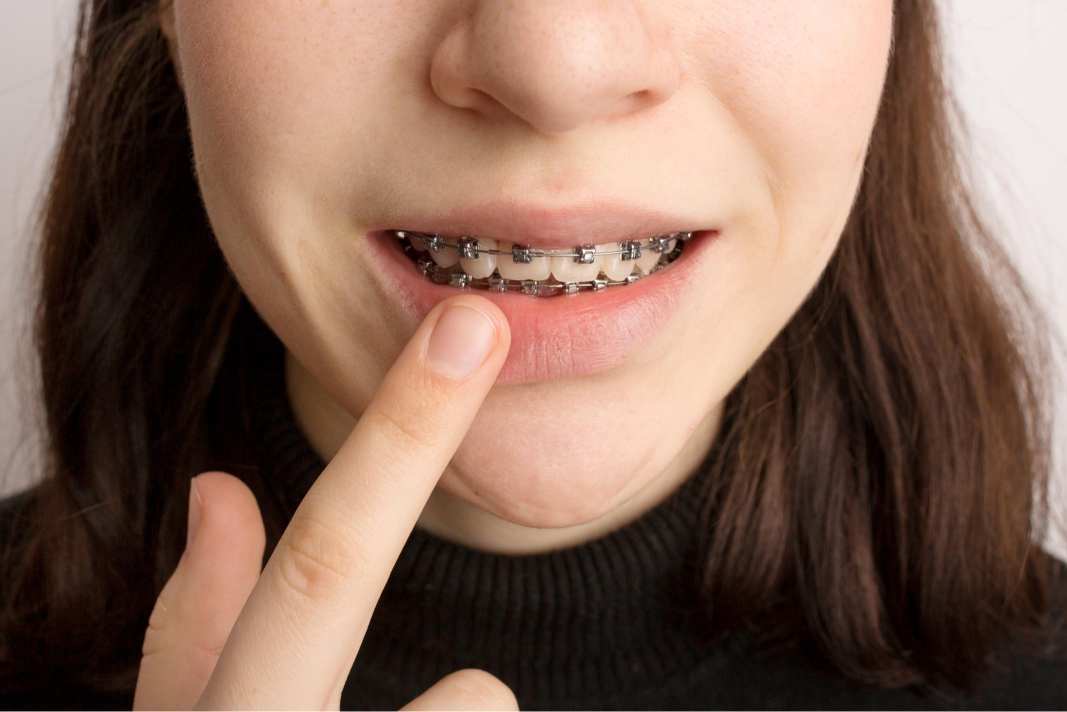
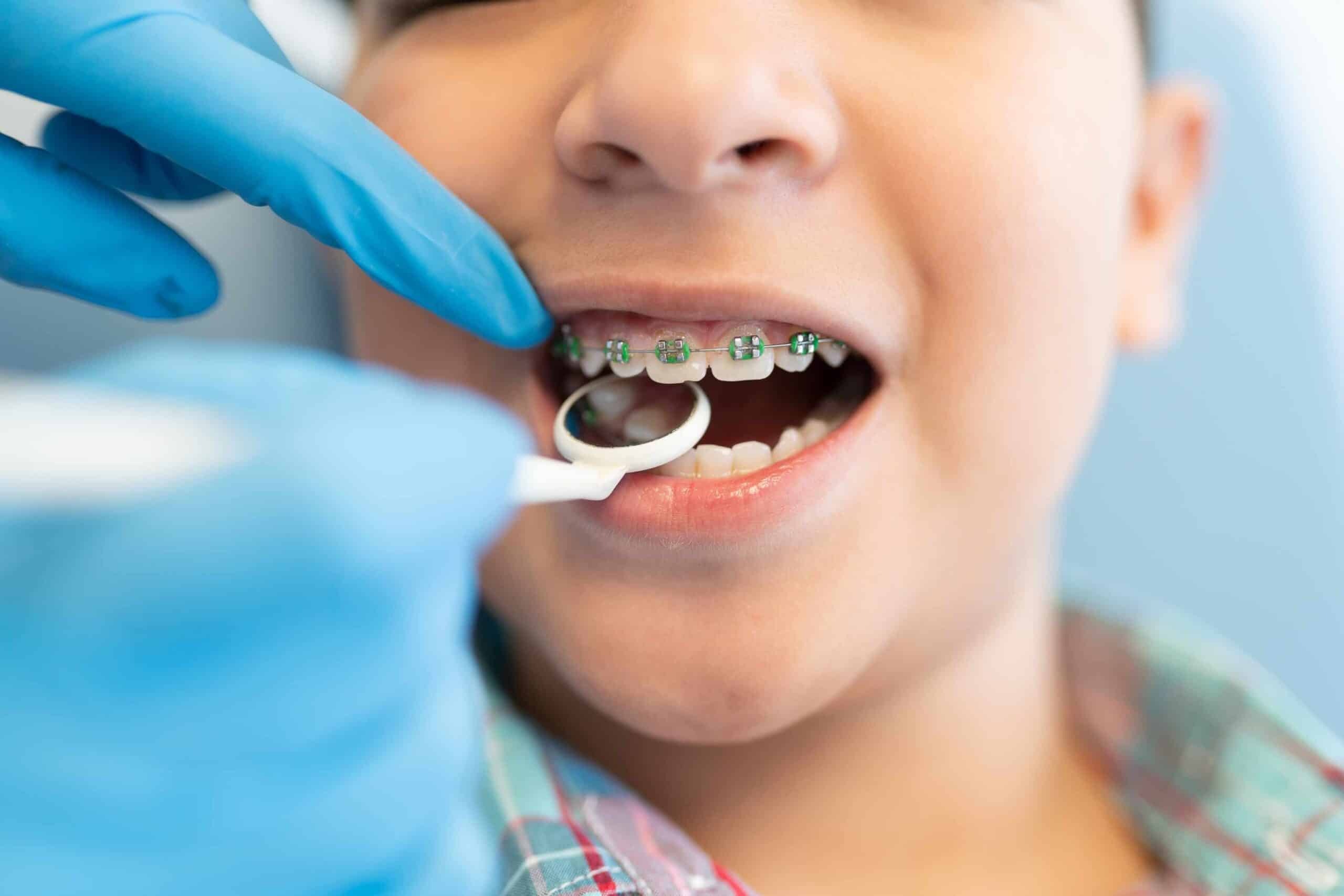
Your teenager’s braces are straightening their teeth, but now you’re noticing something unexpected: small white marks around the brackets.
These spots can look like chalky patches on the enamel, especially around the edges of the brackets.
They aren’t simply a cosmetic issue.
In many cases, these are white spot lesions, an early sign of enamel demineralization that can develop when plaque remains around orthodontic brackets and acids begin removing minerals from the tooth surface.
The good news? Catching them early gives your orthodontic and dental team an opportunity to intervene before the problem progresses.
What Causes White Spots Around Braces?
Brackets and wires don’t directly “bleach” the enamel.
The problem is usually what happens around them.
Plaque can accumulate around brackets, particularly near the gumline. Bacteria in plaque use carbohydrates from food and drinks and produce acids. Those acids can pull minerals from the enamel.
Over time, the affected area may become visibly whiter than the surrounding tooth.
A 2025 systematic review and meta-analysis involving 57 studies and 9,101 orthodontic patients found a pooled prevalence of white spot lesions of approximately 55% among orthodontic patients.
That doesn’t mean 55% of patients will develop severe permanent damage.
It does show why white spot prevention deserves attention during fixed-brace treatment.
Are White Spots the Same as Cavities?
Not necessarily.
Early white spot lesions are generally non-cavitated areas of enamel demineralization.
Think of them as an early warning stage.
If the demineralization continues, the enamel can become weaker and potentially progress toward cavitation. That’s why seeing a white spot doesn’t automatically mean your child has a full cavity.
It does mean the tooth deserves attention.
The sooner the cause is addressed, the more opportunity there may be to stop or control the demineralization process.
Why Are Braces a Higher-Risk Environment?
Traditional braces introduce more surfaces and small spaces where plaque can collect.
Your teenager now has to clean:
- Around each bracket
- Above and below the wires
- Along the gumline
- Between the teeth
- Around hard-to-reach areas of the orthodontic appliance
The Cumming orthodontic team specifically notes that misaligned and crowded teeth can interfere with thorough brushing and flossing and may contribute to long-term dental complications.
That makes oral hygiene an important part of orthodontic treatment, not something that starts after the braces come off.
Can White Spots From Braces Be Prevented?
Yes, the risk can be reduced substantially with consistent preventive care.
The most important habit is thorough plaque removal.
Your teen should brush carefully around every bracket and along the gumline rather than simply brushing the front surfaces of the teeth.
Fluoride is also important.
A systematic review found that fluoride-containing toothpaste and other fluoride approaches can help prevent white spot lesions during fixed orthodontic treatment.
For patients at higher risk, a dentist or orthodontist may recommend additional fluoride strategies based on individual needs.
Don’t add high-concentration fluoride products on your own without professional guidance.
What About Sports and Energy Drinks?
This is especially relevant for teenagers with braces.
Many sports and energy drinks are acidic, and some contain substantial amounts of sugar. Frequent exposure can increase the challenge of maintaining healthy enamel.
If your teen has braces, water should generally be the default drink between meals and during routine hydration. If your child participates in prolonged, vigorous sports and uses a sports drink, try to avoid turning it into an all-day sipping habit.
The combination of frequent acid exposure, sugar, and plaque around brackets is not favorable for enamel health.
Can White Spots Be Reversed?
Sometimes, particularly when the lesion is early and the enamel surface has not developed a cavity.
The word “reversed” needs some explanation.
Early demineralized enamel can potentially remineralize when the causes of mineral loss are controlled and the tooth is exposed to appropriate preventive measures such as fluoride.
Research supports fluoride as an important part of preventing and managing early white spot lesions.
But remineralization doesn’t guarantee that every visible white mark will disappear completely.
Once a lesion has become established, the color difference can remain even after the underlying mineral balance improves.
That is why early detection matters.
What If the White Spots Are Still Visible After Braces?
If your teen finishes orthodontic treatment and white spots remain, there may still be treatment options.
Depending on the depth and appearance of the lesion, a dentist may consider approaches such as:
Fluoride therapy: Useful for supporting remineralization and preventing further demineralization.
Professional preventive care: Particularly important when plaque control has been difficult.
Resin infiltration: A minimally invasive option that may improve the appearance of selected non-cavitated lesions.
A 2026 systematic review and meta-analysis found that resin infiltration and fluoride varnish can play roles in managing orthodontically induced white spot lesions, although the evidence varies by outcome and treatment approach. Not every white spot requires cosmetic treatment.
The first step is determining whether the lesion is active, stable, superficial, or associated with actual cavitation.
What Should Cumming, GA Parents Watch For?
If your child has braces, look for:
- Chalky white areas around brackets
- Brown or dark discoloration
- New tooth sensitivity
- Gum swelling or bleeding
- Plaque that remains around brackets
- Persistent bad breath
- Difficulty cleaning around wires
- Tooth pain
Don’t wait until braces are removed to mention a suspicious white spot.
Your orthodontist and dentist can assess it while treatment is still underway.
At Cumming Pediatric Dentistry & Orthodontics, the practice provides both pediatric dental care and orthodontic treatment, allowing families to address dental health alongside tooth alignment. The practice serves families in Cumming, Vickery, Sugar Hill, Suwanee, Johns Creek, Alpharetta, and Dawsonville.
If you’re concerned about white spots around your child’s braces, schedule an appointment for an evaluation.
You can also meet our doctors and discuss your child’s oral-health and orthodontic needs with the team.
How Can Teens Keep Their Teeth Healthy With Braces?
The routine doesn’t need to be complicated, but it does need to be consistent.
Brush twice daily with fluoride toothpaste and pay particular attention to the area around each bracket.
Clean between the teeth using floss, a floss threader, interdental brush, or another method recommended by your dental team.
- Limit frequent sugary and acidic drinks.
- Choose water most often.
- Keep regular dental cleanings during orthodontic treatment.
- Tell your orthodontist about white spots early.
The goal isn’t simply to finish with straight teeth.
It’s to finish orthodontic treatment with teeth that are both straight and healthy.
Don’t Ignore White Spots Around Braces
A white spot may look like a minor cosmetic annoyance, but it can represent an early change in the enamel.
The good news is that early intervention matters.
A large body of research supports preventive measures, particularly fluoride-based strategies, for reducing white spot lesions during orthodontic treatment.
And if your teen already has white spots, don’t assume the damage is automatically permanent.
The appropriate next step depends on the lesion’s severity and whether the enamel has actually cavitated.
For families in Cumming and nearby communities, the best approach is simple:
Identify the problem early. Improve plaque control. Protect the enamel. Treat established lesions appropriately.
Frequently Asked Questions (FAQ’s)
Why are white spots appearing around my child’s braces?
White spots usually develop when plaque and acids cause mineral loss from enamel around orthodontic brackets, creating areas of demineralization.
Can white spots from braces be reversed?
Early white spot lesions may improve through remineralization and preventive care, but established discoloration may not completely disappear without additional treatment.
How can I prevent white spots during braces?
Thorough brushing with fluoride toothpaste, daily cleaning between teeth, limiting frequent sugary or acidic drinks, and regular dental care can reduce the risk of white spot lesions.
Are white spots around braces permanent?
Not always. Early lesions can sometimes improve, while deeper or established lesions may remain visible and require professional treatment.
Can a dentist fix white spots after braces?
Yes. Depending on the lesion, options can include fluoride therapy, professional preventive treatment, remineralization strategies, or resin infiltration for selected non-cavitated lesions.