
(678) 578-5384


Protruding teeth, often referred to as “buck teeth,” can be a source of concern for many individuals. They can affect not only the aesthetics of a smile but also oral health and functionality. Fortunately, orthodontists have various treatment options to address this issue. This blog explores what protruding teeth are, their causes, and how orthodontic treatments in cumming can help.
Understanding Protruding Teeth
Protruding teeth occur when the front teeth extend beyond the normal alignment with the rest of the teeth. This condition can be due to several factors:
Genetic Factors
Genetics plays a significant role in dental alignment. If a parent has protruding teeth, their children may inherit similar dental characteristics.
Dental Habits
Certain childhood habits, such as thumb-sucking, prolonged pacifier use, or mouth breathing, can lead to misalignment and protrusion of the teeth. These habits can cause the teeth to shift from their optimal position over time.
Jaw Structure
The size and shape of the jaw can also contribute to protruding teeth. A smaller jaw may not have enough space for all the teeth, leading to crowding and misalignment. This can cause the front teeth to protrude.
How Orthodontists Can Help
Orthodontists are specialists in correcting dental irregularities, including protruding teeth. They utilize various techniques and tools to realign teeth and improve the overall bite. Here are some common orthodontic treatments:
1. Traditional Braces
Traditional braces consist of metal brackets bonded to the teeth and connected by wires. They apply gentle pressure over time, gradually shifting teeth into the desired position. Braces are effective for correcting a range of dental issues, including protruding teeth.
2. Clear Aligners
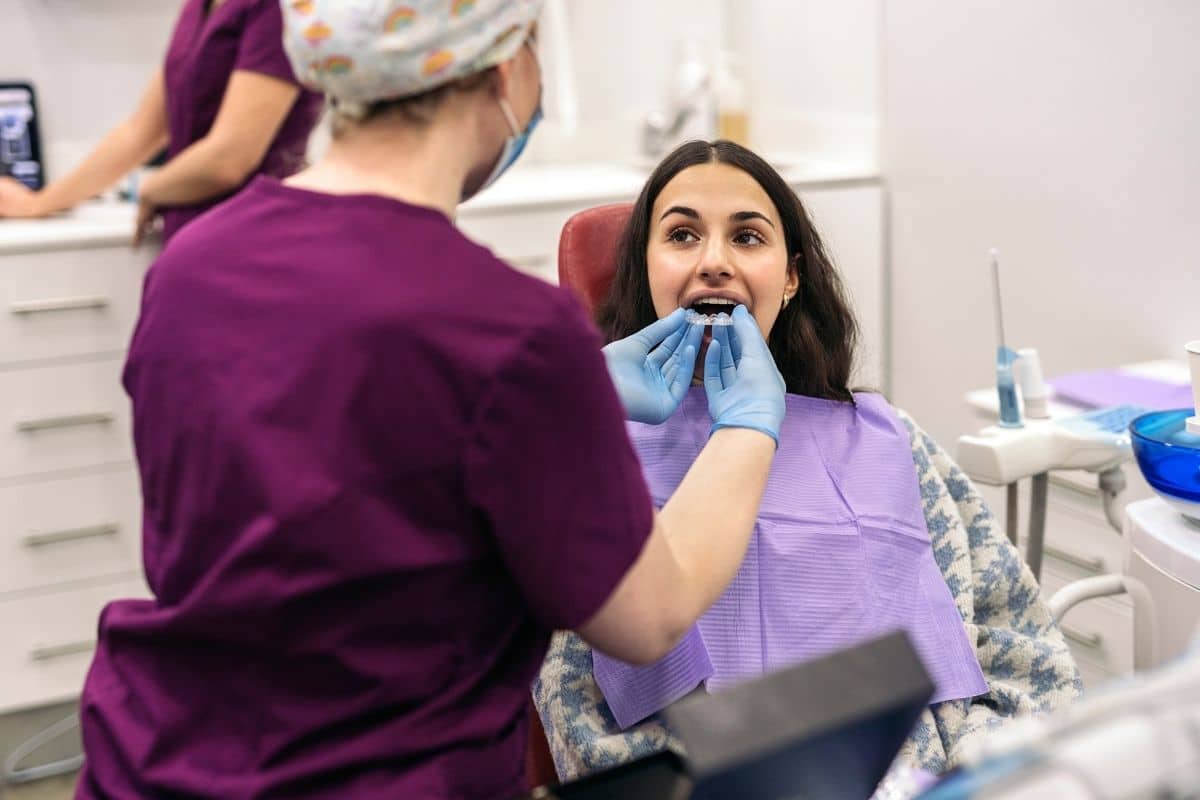
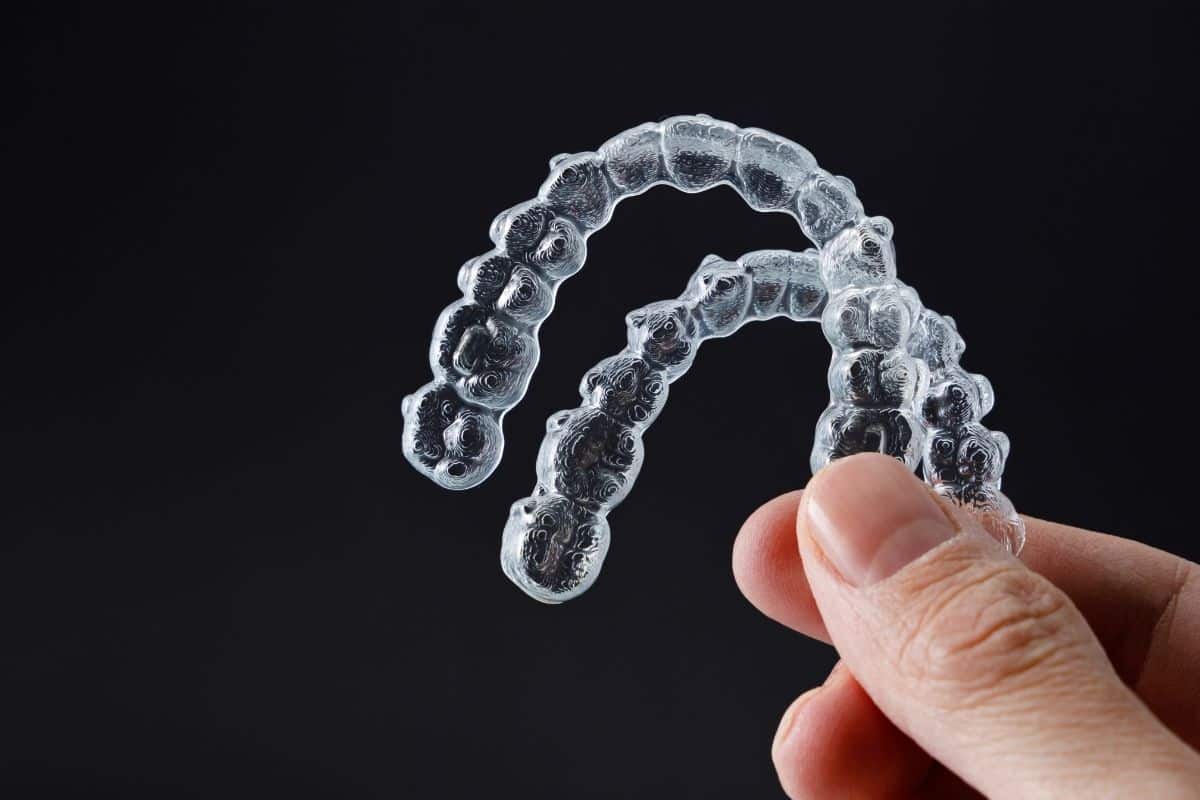
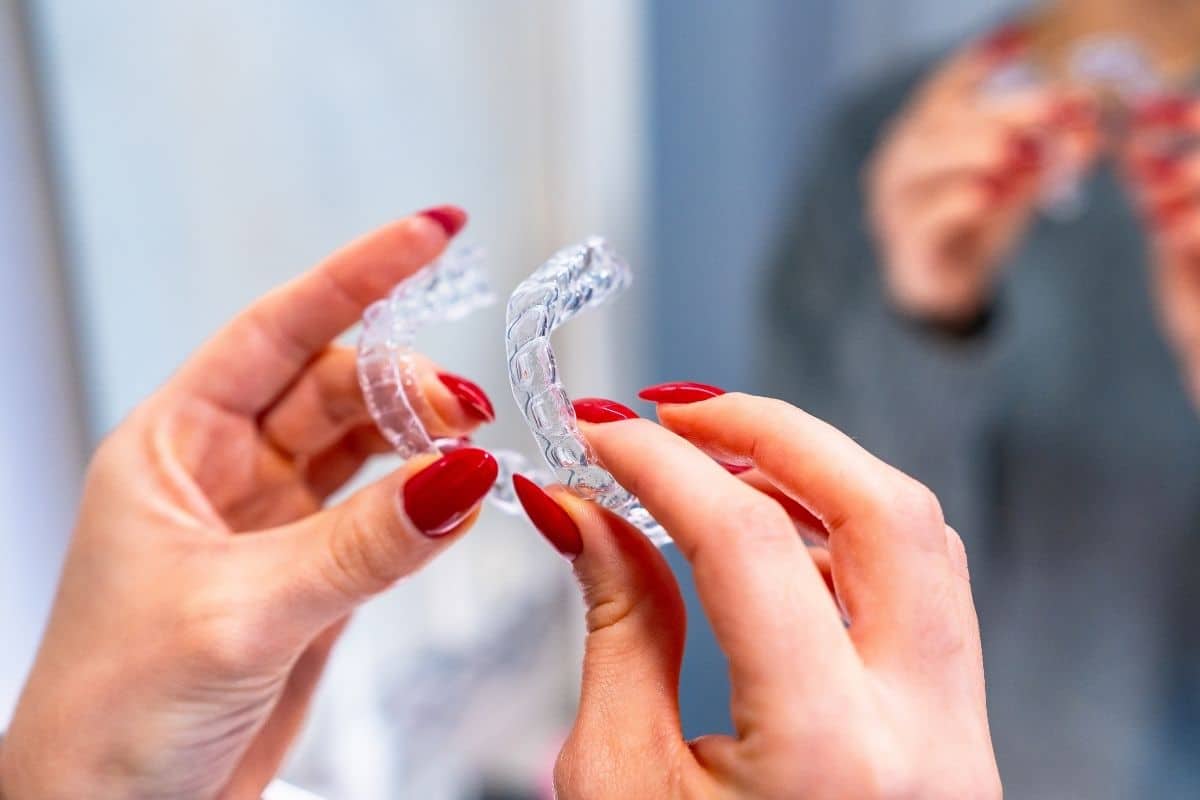
Clear aligners, like Invisalign, are an increasingly popular alternative to traditional braces. These custom-made, removable trays gradually move teeth into alignment without the noticeable appearance of metal brackets. Clear aligners are ideal for individuals seeking a more discreet option.
3. Retainers
After orthodontic treatment, retainers help maintain the new position of the teeth. Retainers are often necessary to prevent teeth from shifting back to their original positions. An orthodontist in Cumming may recommend different types of retainers based on individual needs.
Treatment Process
Initial Consultation
The journey to fixing protruding teeth begins with an initial consultation with an orthodontist. During this appointment, the orthodontist will conduct a comprehensive examination, including X-rays and photographs, to assess the dental and jaw alignment.
Treatment Planning
Based on the examination, the orthodontist will develop a personalized treatment plan. This plan outlines the type of orthodontic treatment recommended, the expected duration, and any additional procedures that may be necessary.
Active Treatment Phase
The active treatment phase involves the application of the selected orthodontic device. This phase typically lasts between 12 to 24 months, depending on the severity of the protrusion and the chosen treatment method. Regular follow-up appointments are essential during this phase to monitor progress and make necessary adjustments.
Retention Phase
After achieving the desired alignment, the orthodontist will transition the patient to the retention phase. This phase may involve wearing a retainer for a specified duration to ensure that the teeth remain in their new position.
Benefits of Treatment
Addressing protruding teeth through orthodontic treatment offers several benefits:
Improved Aesthetics
One of the primary reasons individuals seek treatment for protruding teeth is to enhance their smile. Correcting alignment can significantly improve facial aesthetics and boost confidence.
Better Oral Health
Protruding teeth can lead to various oral health issues, such as difficulty in cleaning teeth properly, increased risk of cavities, and jaw pain. By aligning the teeth, orthodontic treatment helps improve overall oral health and hygiene.
Enhanced Functionality
Properly aligned teeth contribute to better chewing and biting functionality. This can prevent excessive wear on teeth and reduce strain on the jaw, ultimately leading to a healthier bite.
Conclusion
Orthodontists play a crucial role in correcting protruding teeth, providing individuals with improved aesthetics, better oral health, and enhanced functionality. If you or a loved one is struggling with protruding teeth, consider scheduling a consultation with an orthodontist to explore the available treatment options. With the right approach, a beautiful and confident smile is within reach.