
(678) 578-5384


An open bite is one of the many dental conditions that can affect a person’s bite and overall oral health. It occurs when the upper and lower teeth do not touch when the mouth is fully closed. This creates a gap that can cause both functional and aesthetic issues. Understanding open bites, their causes, and treatment options is key to maintaining good oral health.
In this blog, we’ll cover everything you need to know about open bites, including what causes them, the types of open bites, symptoms to look out for, and available treatments.
What Is an Open Bite?
An open bite is a type of malocclusion (improper alignment of teeth) where the upper and lower teeth do not meet when the jaws are closed. It can happen in both the front and back teeth, affecting the overall bite and sometimes leading to speech difficulties and chewing issues.
Types of Open Bites
There are two primary types of open bites:
- Anterior Open Bite: This occurs when the front teeth (upper and lower) do not touch, leaving a noticeable gap. It is the most common type of open bite and can have a significant impact on the appearance of a smile.
- Posterior Open Bite: This occurs when the back teeth fail to meet when the mouth is closed. It is less common but can also cause problems with chewing and overall jaw function.
Causes of Open Bites
Open bites can be caused by a variety of factors, some of which are habits developed in childhood, while others are related to genetic or skeletal factors.
Thumb Sucking
One of the most common causes of open bites in children is prolonged thumb sucking or pacifier use. When this habit continues beyond the early years, it can exert pressure on the developing teeth and jaw, leading to an open bite.
Tongue Thrusting
Tongue thrusting is another habit that can lead to an open bite. This occurs when a person pushes their tongue against the teeth when swallowing or speaking, causing the teeth to shift over time.
Genetics and Jaw Structure
In some cases, open bites are the result of genetic factors. A person’s jaw structure may predispose them to an open bite, especially if there is a significant difference in the alignment of the upper and lower jaws.
Skeletal Abnormalities
Skeletal issues, such as a misaligned jaw, can also contribute to open bites. These structural problems may require more extensive treatment, such as surgery, to correct.
Symptoms of an Open Bite
Identifying an open bite can be relatively straightforward, especially if there is a visible gap between the teeth. However, other symptoms may accompany this dental issue:
Difficulty Chewing
An open bite can make it difficult to chew food properly, especially if the back teeth are not making contact.
Speech Problems
People with an open bite may experience speech difficulties, particularly with pronouncing certain sounds, such as “s” or “z.” This is because the tongue placement is affected by the misalignment.
Jaw Pain or Discomfort
In some cases, open bites can lead to discomfort or pain in the jaw, especially if the condition is severe and impacts the overall function of the mouth.
Diagnosis of Open Bites
Diagnosing an open bite typically requires a visit to the orthodontist. During a routine exam, the orthodontist will evaluate the alignment of the teeth and jaws and may take X-rays or impressions to determine the extent of the issue.
In some cases, the orthodontist may recommend specialized care, particularly if braces or other orthodontic treatments are needed. If you live in Georgia, an orthodontist in Cumming can provide expert diagnosis and treatment for open bites.
Treatment Options for Open Bites
The treatment for an open bite depends on the severity of the condition and the underlying cause. Here are some common treatment methods:
Orthodontic Treatment
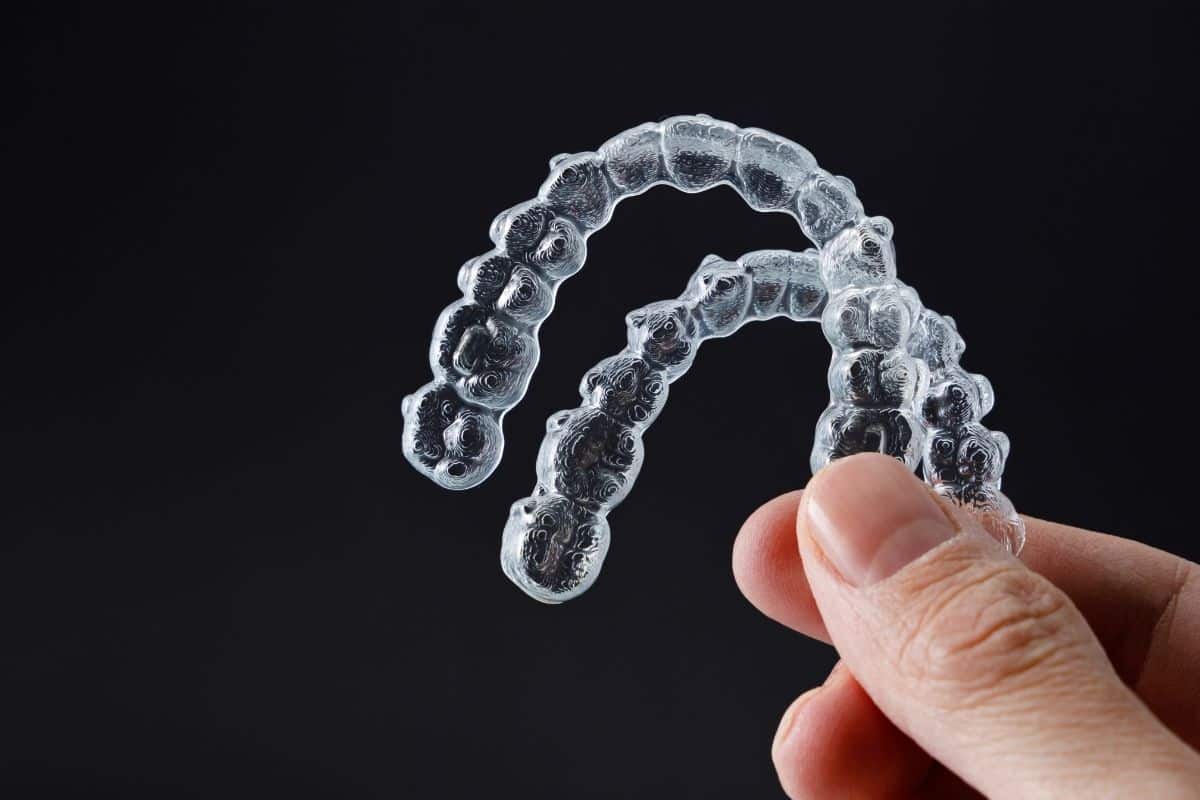
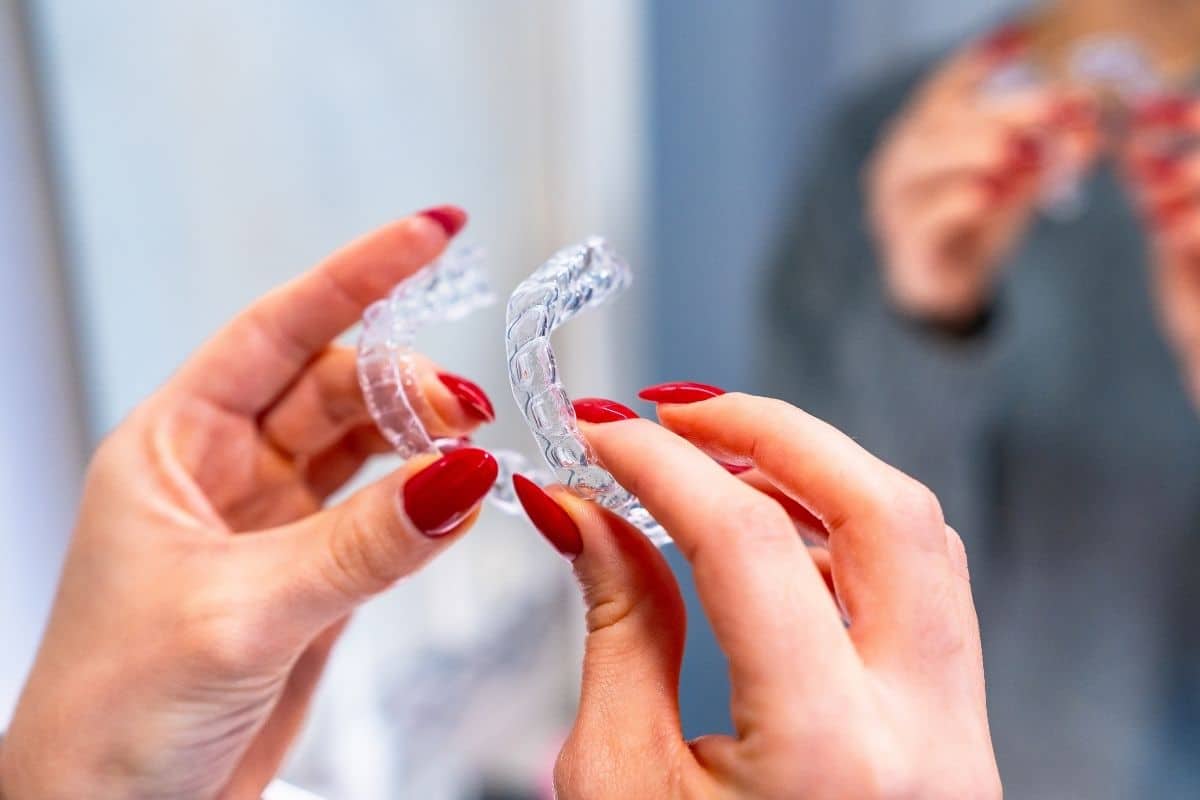
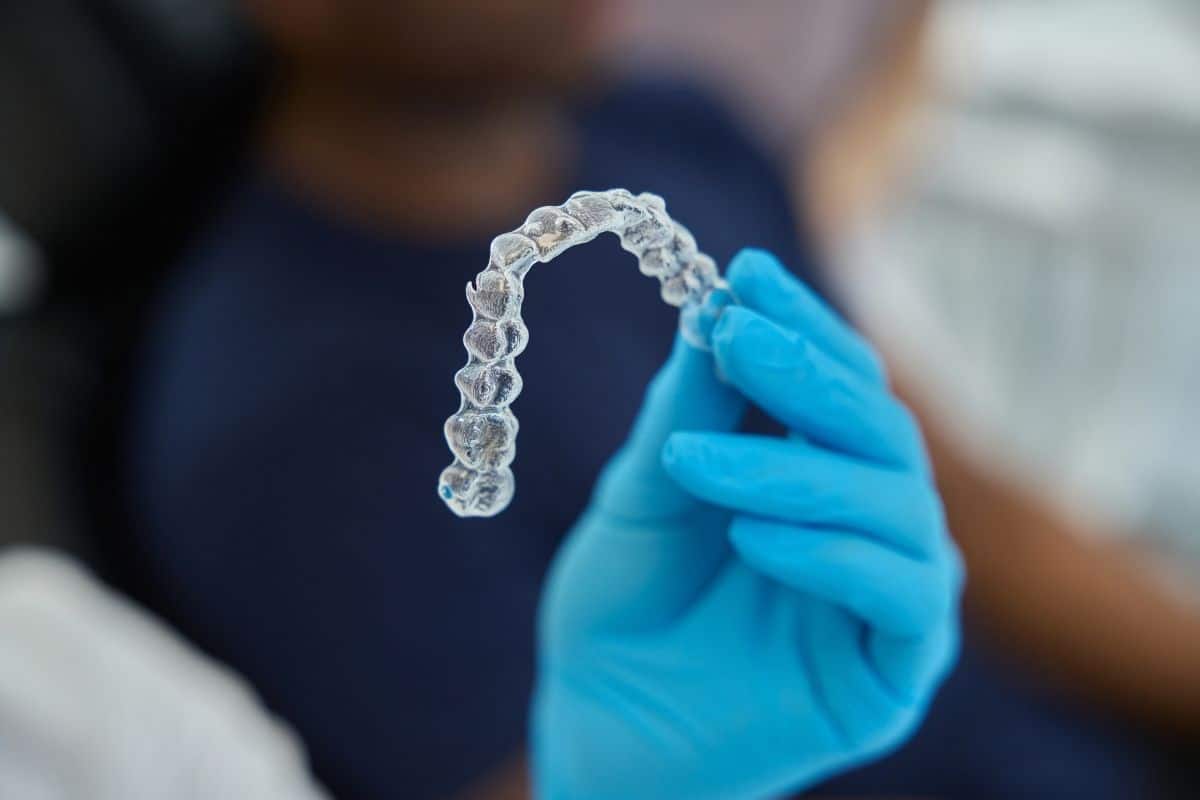
For most people, especially children and teenagers, orthodontic treatment such as braces or clear aligners like Invisalign can help correct an open bite. These appliances gradually move the teeth into the correct position, closing the gap and aligning the bite.
Tongue Therapy or Speech Therapy
If tongue thrusting is the cause of the open bite, tongue therapy or speech therapy may be recommended. These therapies help patients learn how to properly position their tongue when swallowing or speaking, preventing further damage to the teeth.
Jaw Surgery
In severe cases, especially if the open bite is caused by skeletal issues, surgery may be required. Orthognathic surgery can reposition the jaws to ensure proper alignment, improving both function and appearance.
Habit Correction
If thumb sucking or pacifier use is causing an open bite, breaking these habits early can prevent further damage. Parents should encourage children to stop thumb-sucking by age 4 before permanent teeth begin to emerge.
Can an Open Bite Be Prevented?
Preventing an open bite is possible in some cases, particularly when the condition is related to habits like thumb sucking or tongue thrusting. Early intervention can go a long way in preventing the need for extensive treatment later in life.
Tips for Preventing Open Bites
- Discourage Thumb Sucking: Encourage your child to stop thumb-sucking or pacifier use by age 4.
- Practice Proper Tongue Positioning: Be mindful of tongue positioning, especially if you tend to thrust your tongue when speaking or swallowing.
- Regular Orthodontic Checkups: Regular visits to the orthodontist can help catch any early signs of an open bite and address the issue before it worsens.
Conclusion
An open bite can have a significant impact on both the function and appearance of your teeth, but the good news is that it is treatable. Whether caused by habits like thumb sucking or more serious skeletal issues, there are a variety of treatment options available, from braces and therapy to surgery. If you suspect you or your child has an open bite, consult an orthodontist to discuss the best course of action. Early intervention can make a significant difference in achieving a healthy, aligned smile.