
(678) 578-5384

An overbite is a common orthodontic concern for children, teens, and adults in Cumming and nearby communities like Sugar Hill, Johns Creek, and Alpharetta. When the upper teeth extend too far over the lower teeth, it can affect both appearance and oral health. If you’re considering visiting an orthodontist in cumming, understanding how overbites are corrected can help you feel informed and confident about the process.
This guide explains what causes an overbite, how it’s treated, and what you can expect at each stage of care.
What an Overbite Really Means
An overbite (often called overjet in orthodontic terms) describes how far the upper front teeth project beyond the lower front teeth. A slight overlap is normal. However, when the gap becomes excessive, it may cause:
- Difficulty chewing properly
- Speech challenges
- Jaw discomfort or strain
- Premature tooth wear
- Self-consciousness about smiling
There are two main types of overbites:
Dental overbite – Caused by tooth positioning
Skeletal overbite – Caused by differences in jaw size or alignment
Identifying the type is essential for choosing the right treatment.
Why Early Evaluation Is Important
Children should have their first orthodontic evaluation around age seven. At this stage, an orthodontist can detect early jaw growth concerns and bite problems.
Early assessment allows for interceptive orthodontic treatment, which may:
- Guide jaw development
- Reduce the need for extractions
- Prevent worsening misalignment
- Shorten future treatment time
For teens and adults, treatment usually focuses on repositioning teeth and correcting bite alignment once growth is complete.
Step 1: Comprehensive Examination and Diagnosis
Overbite correction begins with a detailed evaluation, which may include:
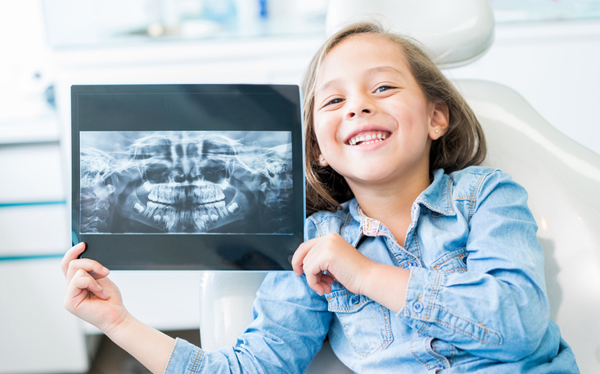
- Digital X-rays
- Photos
- 3D scans
- Bite measurements
The orthodontist evaluates:
- Severity of the overbite
- Whether it’s dental or skeletal
- The patient’s growth stage
This information helps create a personalized treatment plan tailored to long-term success.
Step 2: Selecting the Right Treatment Option
Treatment depends on age, severity, and overall oral health. A Cumming orthodontist will explain which approach best fits your needs.
Braces for Precise Tooth Movement
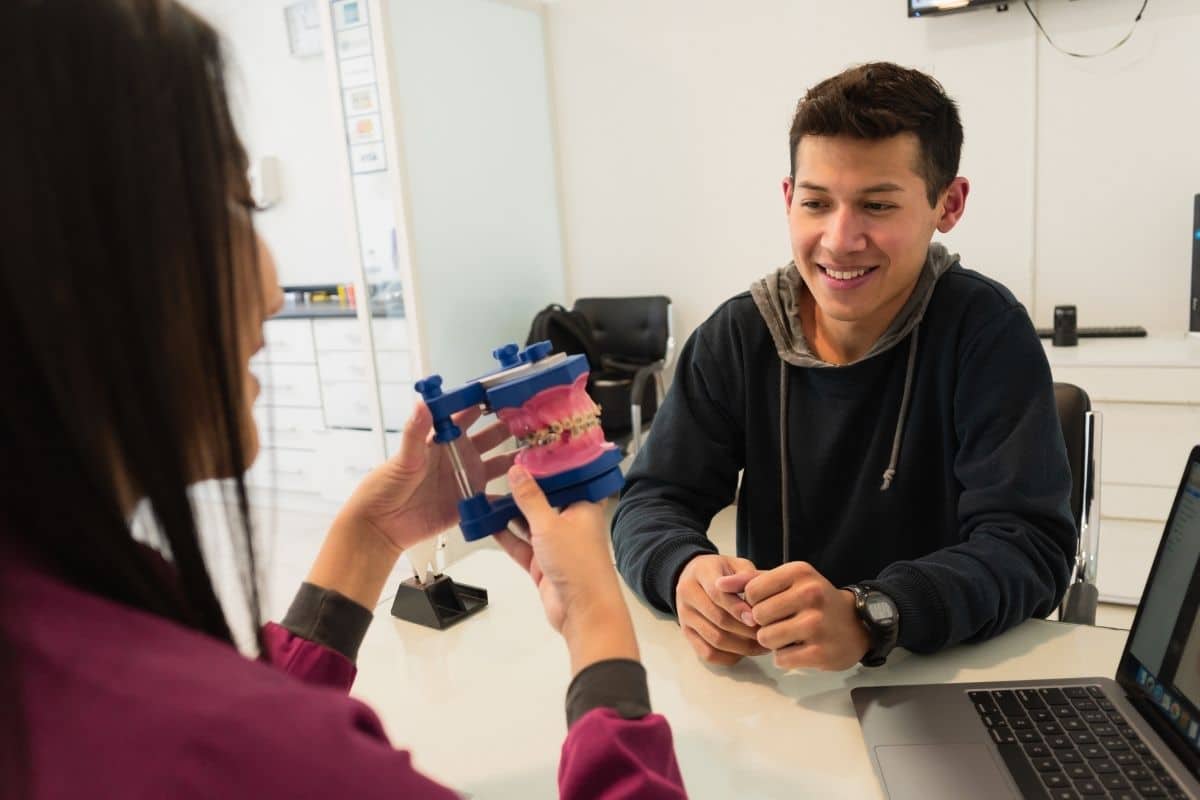
Traditional braces are highly effective for correcting mild to severe dental overbites. Brackets and wires apply controlled pressure to:
- Move the upper teeth backward
- Shift the lower teeth forward
- Improve overall bite alignment
In many cases, orthodontic elastics (rubber bands) are worn between the upper and lower teeth. These bands gently guide the bite into proper position over time.
Clear Aligners for a Discreet Option
For mild to moderate overbites, clear aligners may be recommended. These removable trays gradually reposition teeth without brackets or wires.
Benefits include:
- Nearly invisible appearance
- Removability for meals and brushing
- Increased comfort
Small tooth-colored attachments may be placed to help achieve specific movements.
Growth Modification for Developing Jaws
If a child has a skeletal overbite due to a smaller lower jaw, a functional appliance may be used during growth.
These appliances help:
- Encourage forward jaw development
- Improve facial balance
- Reduce the likelihood of surgery later
Timing is critical, which is why early evaluation matters.
Surgical Correction for Severe Cases
In adults with significant jaw discrepancies, braces alone may not fully correct the problem. In more complex cases, orthognathic (jaw) surgery combined with orthodontic treatment may be recommended.
Surgery repositions the jaw for improved alignment and function. This option is typically reserved for severe skeletal overbites.
Step 3: Active Treatment Phase
Once treatment begins, teeth and jaws gradually move into improved alignment. Treatment time varies but typically ranges from:
- 12–24 months for moderate cases
- Longer for complex cases
During this phase, patients should:
- Maintain excellent oral hygiene
- Attend regular adjustment visits
- Wear elastics as instructed
Consistency plays a major role in achieving stable results.
Step 4: Retention to Maintain Results
After active treatment, retainers are essential to prevent teeth from shifting back.
Retention may include:
- A fixed (bonded) retainer behind front teeth
- A removable clear retainer worn at night
Wearing retainers as directed protects your newly aligned bite and long-term oral health.
What Happens If an Overbite Is Not Treated?
Untreated moderate to severe overbites may lead to:
- Excessive enamel wear
- Chipped or fractured teeth
- Jaw pain or TMJ issues
- Gum recession
- Difficulty chewing
Addressing the issue early can help prevent more complex dental concerns later.
Is Overbite Correction Only for Kids?
No. Modern Orthodontics in Cumming offers solutions for adults as well. Many adult patients seek treatment to:
- Improve smile aesthetics
- Reduce jaw discomfort
- Prevent long-term tooth damage
Healthy teeth and gums are more important than age when considering treatment.
A Healthier Bite Starts with the Right Guidance
Correcting an overbite improves more than appearance; it enhances comfort, function, and long-term oral health. Whether treatment involves braces, clear aligners, or growth-guiding appliances, the key is early evaluation and a customized plan.If you’re concerned about your child’s bite or your own alignment, the team at Cumming Pediatric Dentistry & Orthodontics is here to help. Contact us today to schedule a consultation and take the first step toward a healthier, more confident smile.