
(678) 578-5384


In recent years, Invisalign has gained popularity as an effective orthodontic treatment for children. This clear aligner system offers a more comfortable and aesthetically pleasing alternative to traditional metal braces. But how does Invisalign work for children, and what should parents know about the treatment process? This blog will explore the mechanics of Invisalign, its benefits, and important considerations for parents contemplating this option for their children.
Understanding Invisalign
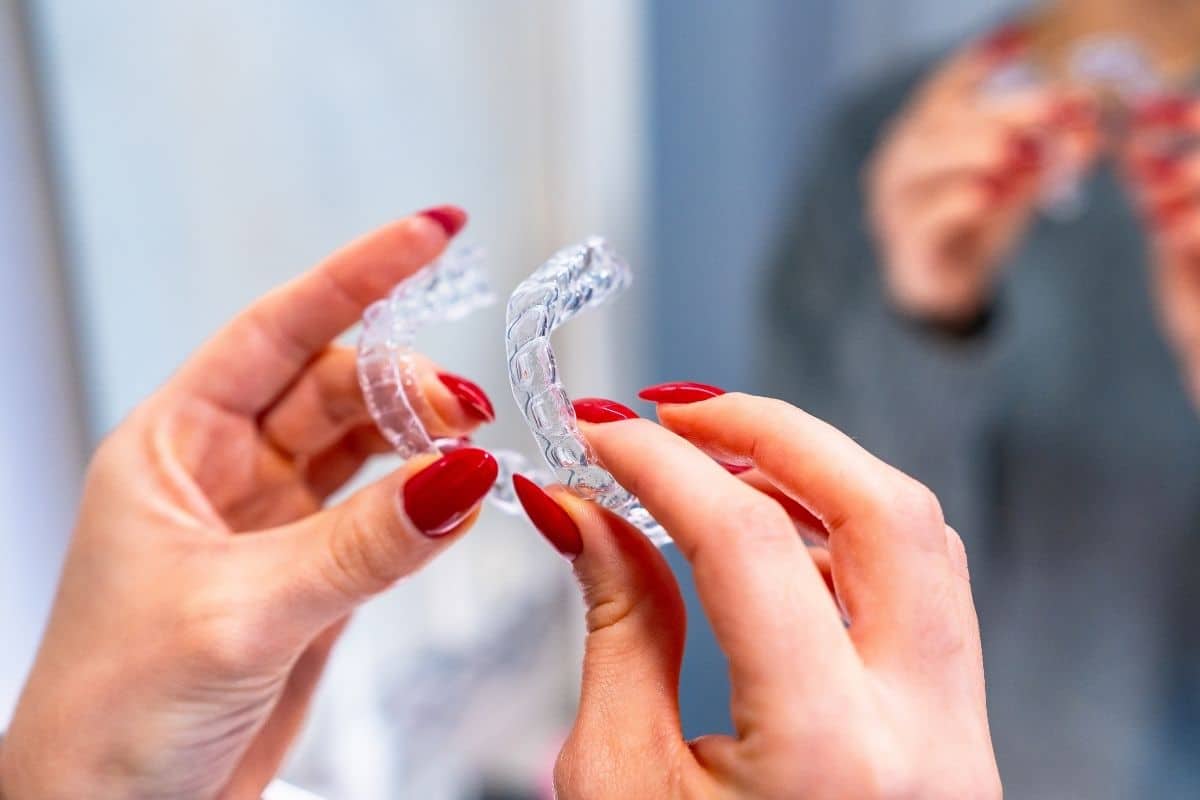
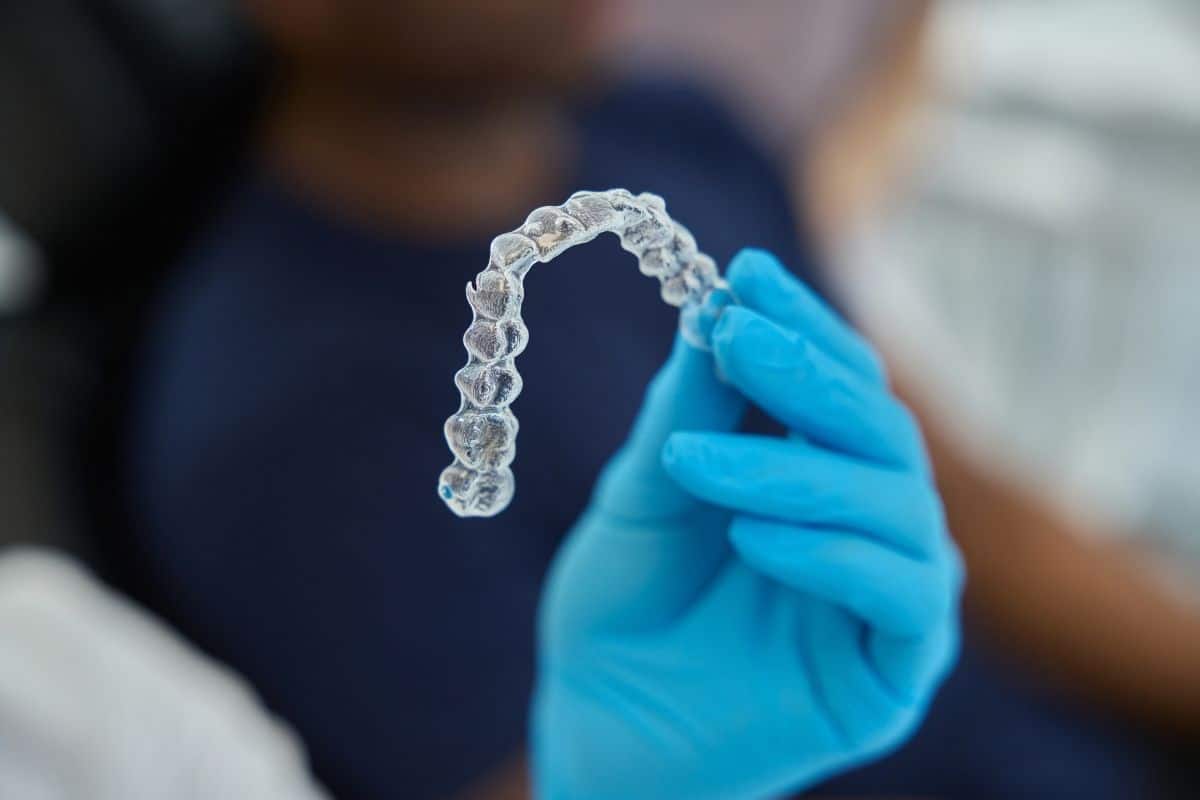
Invisalign is a modern orthodontic treatment that uses a series of custom-made clear aligners to gradually shift teeth into their desired positions. Each aligner is designed to apply gentle pressure on the teeth, moving them incrementally. Here’s how the process works:
1. Initial Consultation
The first step in the Invisalign treatment process is scheduling an initial consultation with an orthodontist. During this appointment, the orthodontist will evaluate the child’s dental health and discuss treatment options, including the possibility of using Invisalign. If Invisalign is deemed suitable, the orthodontist will take digital impressions of the child’s teeth using a 3D scanner.
2. Custom Treatment Plan
After obtaining the digital impressions, the orthodontist will create a personalized treatment plan. This plan includes the specific movements needed for the teeth and the estimated duration of treatment. Using advanced software, the orthodontist can visualize the entire treatment process and show parents and children a digital representation of how the teeth will move over time.
3. Creating the Aligners
Once the treatment plan is finalized, a series of custom aligners will be manufactured. Each aligner is designed to be worn for about one to two weeks, depending on the orthodontist’s recommendations. As the child progresses through the series of aligners, the teeth will gradually shift into the desired position.
4. Regular Check-ups
Parents will need to schedule regular check-ups with the orthodontist every 6 to 8 weeks. During these visits, the orthodontist will monitor the child’s progress and provide new aligners as needed. These appointments are crucial for ensuring that the treatment is on track and making any necessary adjustments.
Benefits of Invisalign for Children
Invisalign offers several advantages that make it an appealing option for children:
1. Aesthetic Appeal
One of the primary benefits of Invisalign is its aesthetic appeal. The clear aligners are virtually invisible, allowing children to smile confidently without the self-consciousness that can come with metal braces. This feature is particularly important for older children and teenagers who may be concerned about their appearance.
2. Comfort
Invisalign aligners are made from smooth plastic, which is generally more comfortable than traditional braces. Children are less likely to experience the irritation and discomfort that can come from metal brackets and wires. Additionally, the absence of metal components means there are no food restrictions, allowing children to eat their favorite foods without worry.
3. Improved Oral Hygiene
Maintaining oral hygiene can be challenging for children with braces. With Invisalign, children can remove the aligners while eating and brushing their teeth, making it easier to maintain good oral hygiene. This can lead to better overall dental health during treatment.
4. Predictable Results
The use of advanced technology in creating the treatment plan allows for more predictable outcomes. Parents can have a clearer understanding of what to expect during the treatment process and how long it will take to achieve the desired results.
Considerations for Parents
While Invisalign has many benefits, there are important considerations that parents should keep in mind:
1. Compliance
For Invisalign to be effective, children must wear the aligners for at least 20 to 22 hours a day. This means that children need to be responsible enough to wear the aligners consistently. Parents should discuss the importance of compliance with their child to ensure successful treatment.
2. Age and Dental Development
Invisalign is most effective for children whose teeth and jaws are still developing. The orthodontist will evaluate the child’s dental development to determine if Invisalign is appropriate. In some cases, early intervention with braces may be recommended if there are significant alignment issues.
3. Cost
Invisalign can be more expensive than traditional braces. Parents should discuss the cost with their orthodontist and explore potential payment plans or insurance coverage. While the upfront cost may be higher, many families find the benefits and convenience of Invisalign in Cumming to be worth the investment.
4. Potential Limitations
Not all orthodontic issues can be treated with Invisalign. Severe misalignments or complex dental issues may still require traditional braces. The orthodontist will provide a thorough evaluation to determine the best treatment option for the child.
Conclusion
Invisalign offers a modern and effective solution for children needing orthodontic treatment. With its clear aligners, comfort, and aesthetic appeal, many children find it a preferable alternative to traditional braces. However, parents must consider compliance, age, cost, and potential limitations when deciding on the best treatment option for their child. By consulting with an orthodontist and understanding the Invisalign process, families can make informed decisions that lead to beautiful, healthy smiles. If you’re considering Invisalign in Cumming, take the first step by scheduling a consultation today.