
(678) 578-5384

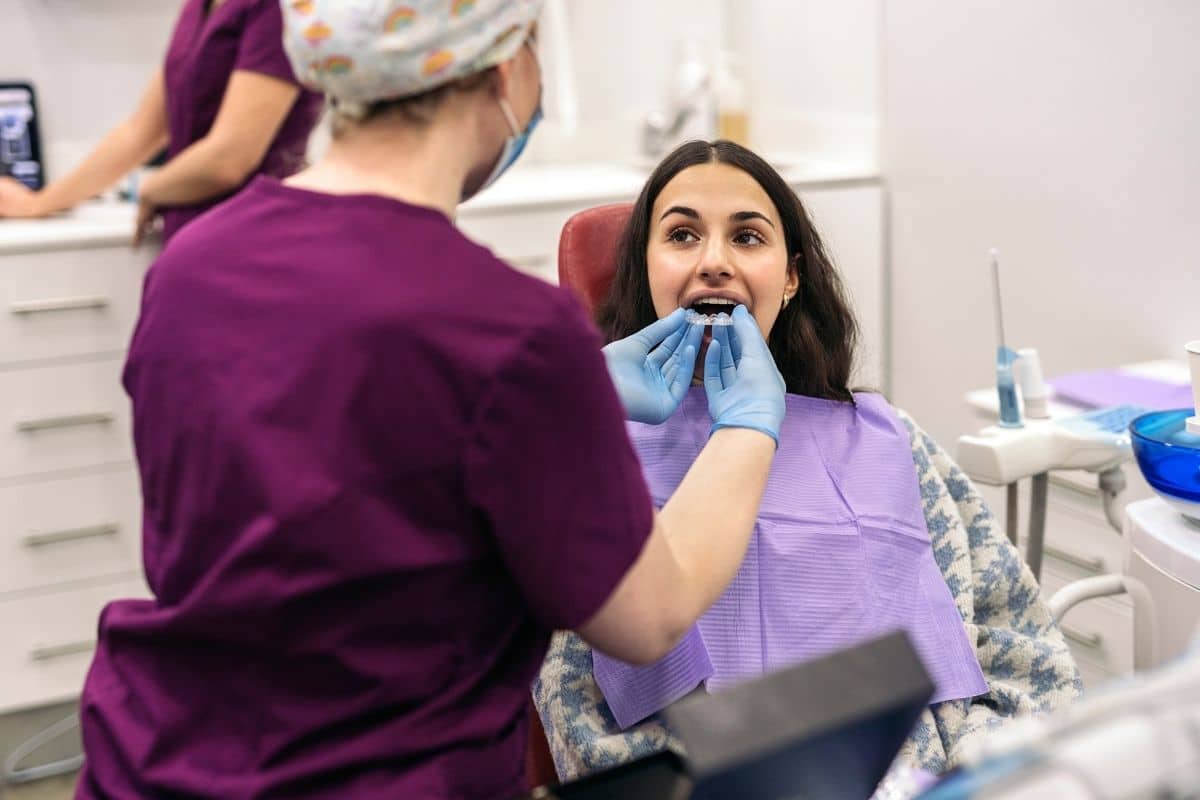
A straighter smile and a brighter smile often go hand in hand. Many patients who begin orthodontic care also start thinking about whitening options along the way. If you are considering Invisalign in cumming, you may be wondering whether teeth whitening is safe or effective while wearing aligners. The good news is that many patients can safely whiten their teeth during treatment with the right timing and professional guidance. Whether you live in Cumming, Johns Creek, Suwanee, or nearby North Georgia communities, understanding how whitening works with aligners can help you protect your oral health while achieving the smile you want.
Why Patients Want Whiter Teeth During Orthodontic Treatment
Orthodontic treatment improves the alignment of your teeth, but many patients also notice stains or discoloration that existed before treatment began. As teeth gradually move into better positions, people often become more aware of the appearance of their smile overall.
Coffee, tea, soda, berries, and certain medications can contribute to tooth discoloration over time. Even with excellent brushing habits, surface stains may still develop. Since aligners are removable, many patients naturally ask if whitening can happen during treatment instead of waiting until the very end.
The answer depends on your oral health, your treatment stage, and the whitening method being used.
The Best Time to Brighten Your Smile
In many cases, dental professionals recommend whitening toward the later stages of orthodontic treatment. This timing allows your teeth to move closer to their final positions before whitening begins.
When teeth are crowded, rotated, or overlapping, some surfaces may remain partially hidden. Whitening too early could lead to uneven results because newly exposed tooth surfaces may not match the whitened areas later on.
Many patients achieve the most balanced appearance during the last several weeks of treatment or after they begin wearing retainers. At this point, the smile is more stable, and whitening can produce a more uniform shade.
Your dentist or orthodontic provider can help determine the safest timeline based on your individual treatment progress.
Can Aligners Be Used for Whitening?
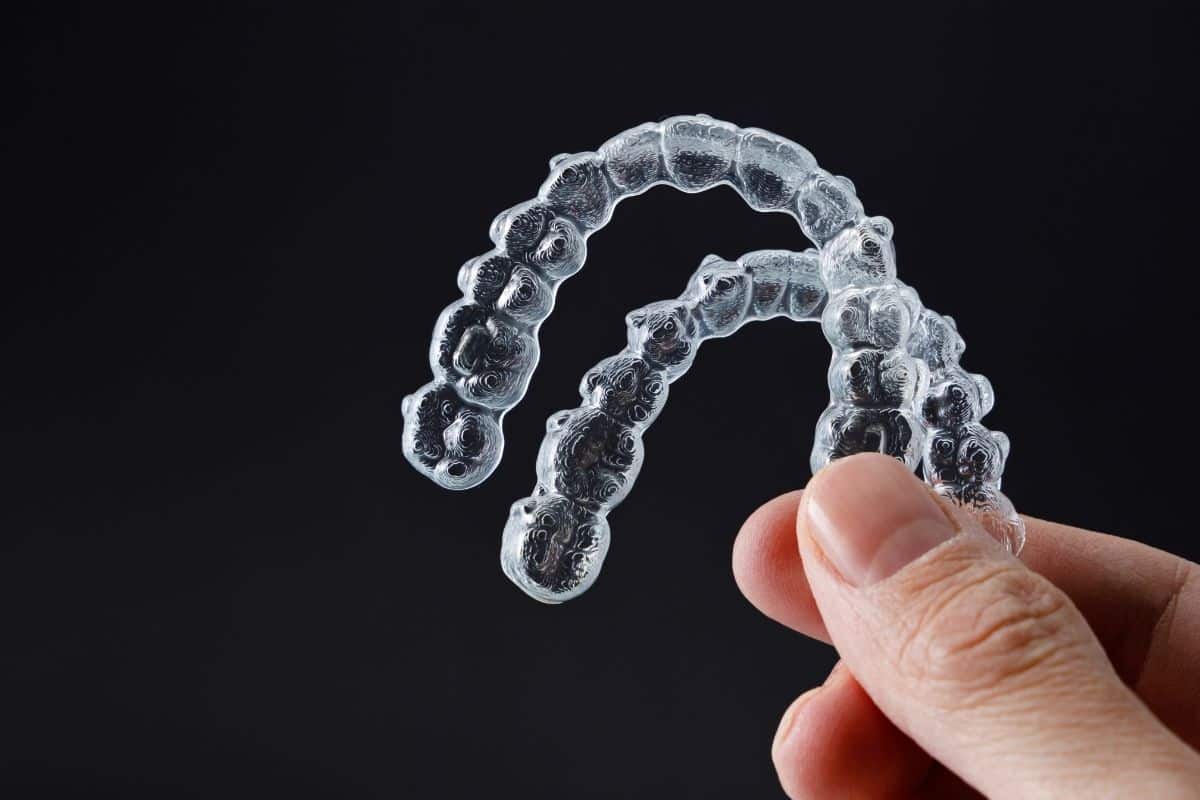
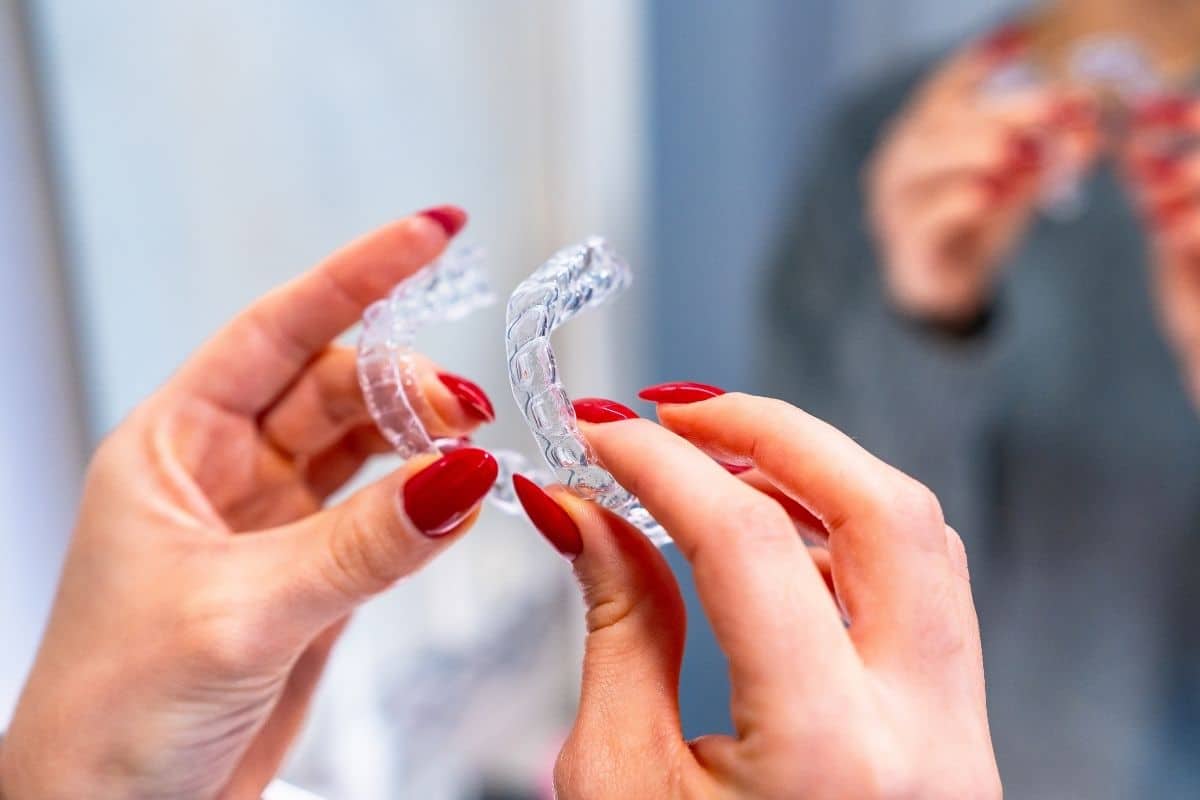
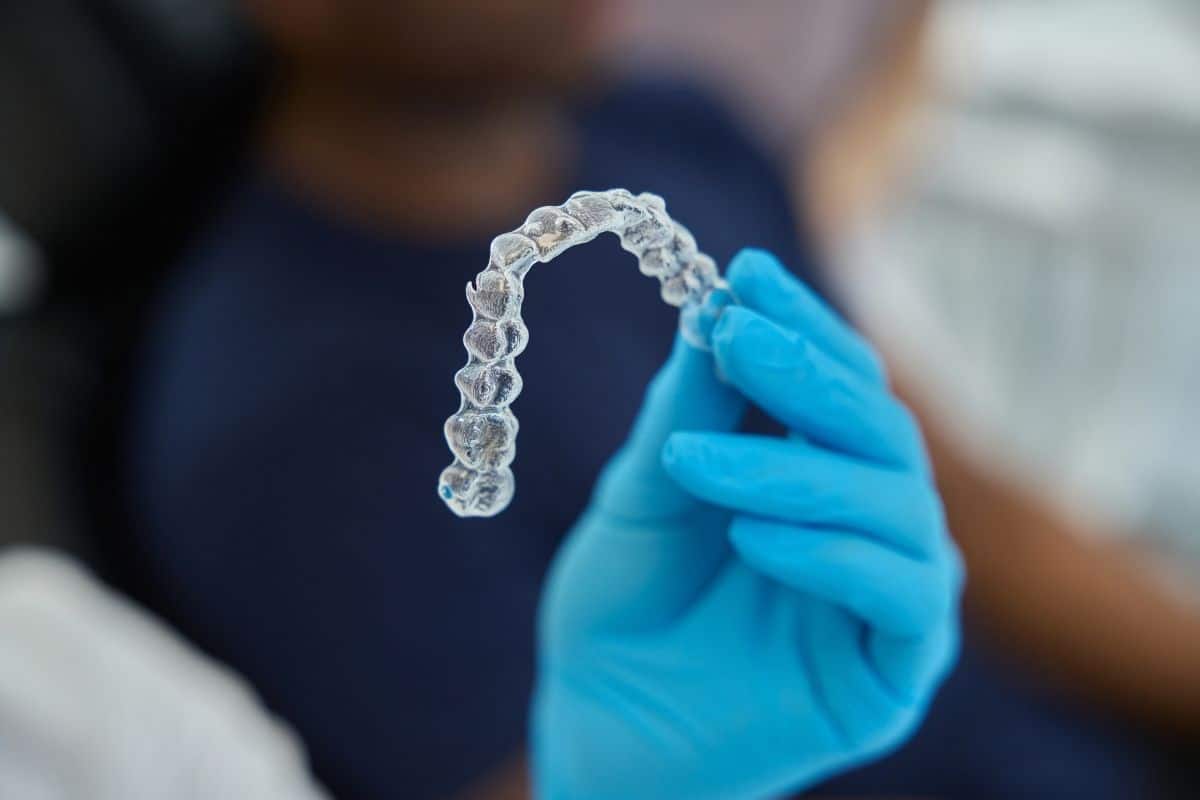
One advantage of removable orthodontic trays is that they fit closely against the teeth. In some situations, your provider may recommend using your trays alongside a professional whitening gel.
A clear aligner system can sometimes function similarly to a whitening tray when approved by your dental provider. However, not every whitening product is appropriate for orthodontic trays. Some products may irritate the gums, increase sensitivity, or affect the fit of the aligners.
Professional-grade whitening products are often preferred because they are designed for safe use and more predictable results. Over-the-counter strips or generic whitening kits may not distribute whitening ingredients evenly during treatment.
Before using any whitening product, patients should always check with their dental provider to avoid complications.
Understanding Tooth Sensitivity During Whitening
Some degree of temporary sensitivity is common with whitening treatments. Teeth may become more reactive to hot or cold foods for a short period after using whitening products.
Orthodontic treatment can already create mild sensitivity as teeth shift into alignment. Combining whitening with active tooth movement may increase discomfort for certain patients.
To help minimize sensitivity, dental professionals may recommend:
- Lower-strength whitening gels
- Shorter application times
- Whitening every few days instead of daily
- Desensitizing toothpaste
- Avoiding extremely hot or cold foods temporarily
Patients with existing enamel wear, gum recession, or untreated cavities should discuss whitening carefully with their provider before starting treatment.
Why a Dental Cleaning Matters First
Before whitening begins, a professional dental cleaning is often recommended. Plaque buildup and surface stains can interfere with whitening results and create an uneven appearance.
A cleaning helps remove debris, tartar, and stain accumulation so whitening products can work more effectively. It also gives your dental provider a chance to evaluate the health of your gums and teeth before recommending cosmetic treatments.
Whitening Products to Avoid During Treatment
Not all whitening methods work well with orthodontic treatment. Some products may create uneven shades or irritate soft tissues if used incorrectly.
Patients should be cautious with:
- Whitening strips that do not fully cover the tooth surfaces
- Abrasive charcoal toothpaste
- Excessively strong bleaching gels
- DIY whitening hacks found online
- Products used without dental supervision
Because aligners fit tightly around teeth, leftover gel can remain trapped against enamel or gum tissue longer than intended. This can increase irritation or sensitivity if the product is too strong.
Professional guidance helps ensure whitening is both safe and effective throughout orthodontic treatment.
Daily Habits That Help Keep Teeth Bright
Whitening treatments are only one part of maintaining a healthy-looking smile. Daily habits also play a major role in preventing discoloration during orthodontic care.
Helpful habits include:
- Brushing after meals whenever possible
- Rinsing with water after coffee or dark beverages
- Cleaning aligners regularly
- Avoiding tobacco products
- Flossing consistently
- Limiting foods known to stain enamel
Patients who wear aligners should also avoid drinking colored beverages while trays are in place. Liquids such as coffee, tea, sports drinks, and soda can stain both teeth and aligners over time.
What Happens After Orthodontic Treatment Ends?
Many patients choose to complete whitening after orthodontic treatment is fully finished. This approach allows teeth to settle into their final positions before whitening begins.
Retainers may also sometimes be used with professional whitening gel after treatment, depending on your provider’s recommendations. Because the teeth are no longer actively moving, whitening results can appear more even and consistent.
Some patients schedule whitening shortly before major life events such as weddings, graduations, or professional photos once their orthodontic care is complete.
The timing ultimately depends on your smile goals, oral health, and provider recommendations.
Knowing When to Wait
There are situations where whitening should be delayed until dental concerns are treated first. Patients with untreated cavities, gum disease, cracked teeth, or severe sensitivity may need restorative or preventive care before considering cosmetic whitening.
Your provider may also recommend waiting if:
- Teeth are still undergoing major alignment changes
- Gum inflammation is present
- Whitening could interfere with treatment progress
- Significant enamel wear exists
A healthy foundation always comes before cosmetic improvements.
A Healthier, More Confident Smile
Straightening your teeth and improving their color can work together to enhance your confidence and oral health. Whitening during aligner treatment is possible for many patients, but timing and professional guidance are important for achieving safe, even results.
If you have questions about whitening options during orthodontic care, the team at Cumming Pediatric Dentistry & Orthodontics can help you understand the best approach for your smile goals. Contact us today to learn more about maintaining a healthy, bright smile throughout your treatment journey.