
(678) 578-5384

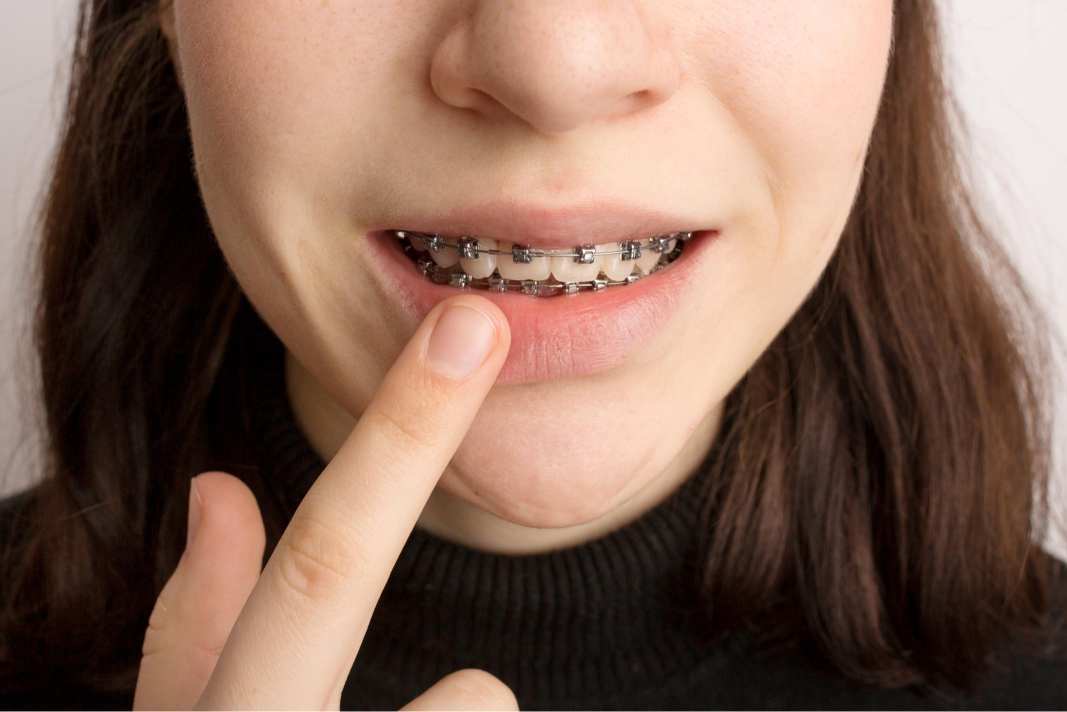
One of the first questions patients ask before starting orthodontic treatment is, “How long will I have to wear braces?” It’s a reasonable question because every smile is unique, and no two treatment plans are exactly alike.
While many people complete treatment within 12 to 24 months, the exact timeline depends on several factors, including the complexity of your orthodontic needs, your age, and how closely you follow your orthodontist’s recommendations. Some patients achieve their goals more quickly, while others require additional time to create a healthy, stable bite that lasts for years.
If you’re considering braces in Cumming, GA, understanding what influences your treatment timeline can help you set realistic expectations and stay motivated throughout your smile journey.
Is There an Average Braces Treatment Timeline?
Although every patient is different, most orthodontic treatments with braces take 12 to 24 months. Simpler cases involving minor spacing or crowding may be completed sooner, while more complex cases involving bite correction or significant tooth movement often require additional time.
According to the American Association of Orthodontists (AAO), treatment length is determined by the severity of the orthodontic problem and how your teeth respond to movement, not simply by your age. Orthodontists focus on moving teeth safely and predictably to create results that remain healthy and stable long after treatment is complete.
6 Factors That Can Affect Your Braces Treatment Time
1. The Complexity of Your Orthodontic Condition
One of the biggest factors affecting treatment time is the condition of your teeth and bite before braces are placed.
Patients with mild spacing or slight crowding often complete treatment sooner than those with:
- Severe crowding
- Rotated teeth
- Overbite
- Underbite
- Crossbite
- Open bite
Correcting bite problems typically takes longer because the goal is to improve both appearance and function.
2. Your Age
Braces can be highly effective for children, teenagers, and adults.
Children and teens are still growing, which may allow certain orthodontic corrections to occur more efficiently. Adults can also achieve outstanding results, although treatment sometimes takes longer because jaw growth has already finished.
The most important factor isn’t your age; it’s starting treatment at the right time with a personalized plan.
3. Following Your Orthodontist’s Instructions
One of the few things patients can control is how closely they follow their treatment plan.
Simple habits that help keep treatment on schedule include:
- Attending every adjustment appointment
- Avoiding foods that can damage braces
- Wearing elastics exactly as instructed
- Maintaining excellent oral hygiene
Missed appointments or broken brackets can delay tooth movement and extend treatment.
4. Your Body’s Natural Response to Treatment
Every person’s teeth move at a slightly different pace.
Bone density, tooth position, and natural biological response all influence how quickly teeth can safely shift into their ideal positions. Your orthodontist carefully monitors these changes throughout treatment and makes adjustments when necessary to keep your progress moving safely.
5. The Type of Orthodontic Problem Being Corrected
Not every orthodontic concern requires the same level of correction.
For example, closing a small gap between teeth is generally less complex than correcting a bite problem that affects how the upper and lower teeth fit together. Patients with multiple orthodontic concerns often require a longer treatment timeline because each issue must be corrected carefully to achieve lasting results.
6. Your Daily Oral Hygiene
Keeping your teeth and braces clean is an important part of successful orthodontic treatment.
Healthy gums and teeth provide a better environment for tooth movement. Poor oral hygiene can lead to inflammation, cavities, or other dental problems that may interrupt treatment.
Can You Speed Up Braces Treatment?
Many patients hope there is a way to finish orthodontic treatment faster. While teeth must move gradually to protect the surrounding bone and tissues, there are several ways to help your treatment stay on schedule.
You can support your progress by:
- Brushing and flossing thoroughly every day
- Keeping all scheduled orthodontic appointments
- Avoiding sticky, hard, and chewy foods that may damage braces
- Wearing elastics or other appliances exactly as instructed
- Report loose brackets or broken wires promptly
These small daily habits can make a meaningful difference in keeping your treatment progressing as planned.
Why Every Braces Timeline Is Different
It can be tempting to compare your treatment with a friend or family member who has worn braces, but orthodontic treatment is never one-size-fits-all. Every smile develops differently, and every patient responds to treatment at their own pace.
Your orthodontist creates a personalized treatment plan by evaluating your tooth alignment, bite, jaw development, oral health, and long-term treatment goals. The objective is not simply to straighten teeth quickly but to create a healthy, functional bite and results that last.
Quick Fact:
The American Association of Orthodontists (AAO) recommends personalized orthodontic treatment planning because every patient’s teeth, bite, and facial development are unique. Customized treatment helps improve long-term stability and overall treatment outcomes.
Why Starting Treatment at the Right Time Matters
Many people believe braces are only for teenagers, but orthodontic treatment can benefit children, teens, and adults alike. Starting treatment at the right stage of dental development often allows orthodontists to address problems before they become more complicated.
Whether you’re correcting crowded teeth, bite issues, or spacing concerns, beginning treatment when recommended can improve both efficiency and long-term oral health.
If you’re searching for braces in Cumming, GA, scheduling an orthodontic evaluation is the best way to receive a timeline based on your individual smile rather than relying on general estimates found online.
Take the First Step Toward a Healthier Smile
Braces are an investment in more than straighter teeth; they help improve bite function, oral health, and confidence for years to come. While treatment times vary from person to person, understanding the factors that influence your progress can help you feel prepared for every stage of your orthodontic journey.
At Cumming Pediatric Dentistry & Orthodontics, every treatment plan is tailored to the patient’s unique needs and smile goals. If you’re considering braces in Cumming, GA, schedule a consultation to receive a personalized evaluation and Meet Our Doctors to learn more about the experienced team dedicated to helping children, teens, and adults achieve healthy, confident smiles.
Frequently Asked Questions
1. How long do most people wear braces?
Most patients wear braces for about 12 to 24 months, depending on the complexity of their orthodontic needs.
2. Can adults get braces?
Yes. Braces are an effective orthodontic treatment option for children, teens, and adults.
3. What can make braces treatment take longer?
Severe bite problems, broken brackets, missed appointments, and not following treatment instructions can all extend treatment time.
4. Can I shorten my braces treatment?
Following your orthodontist’s recommendations, maintaining excellent oral hygiene, and attending every appointment can help keep treatment on schedule.
5. How will I know how long my braces treatment will take?
A comprehensive orthodontic evaluation provides the most accurate estimate based on your specific smile, bite, and treatment goals.