
(678) 578-5384


Orthodontics is a specialized field of dentistry focused on diagnosing, preventing, and correcting misaligned teeth and jaws. One of the primary goals of orthodontic treatment is to correct bite patterns, which can significantly impact both oral health and overall well-being. In this blog, we will explore how orthodontics can address bite issues and the role an orthodontist plays in achieving a well-aligned bite pattern.
Understanding Bite Patterns
Bite patterns refer to the way your upper and lower teeth come together when you close your mouth. An ideal bite, known as a “normal occlusion,” occurs when the upper teeth slightly overlap the lower teeth, and the bite is evenly distributed. However, many people experience misalignment issues, which can lead to various dental problems.
Types of Bite Issues
- Overbite: An overbite, or deep bite, occurs when the upper front teeth extend too far over the lower front teeth. This can cause excessive wear on the lower teeth and result in jaw discomfort.
- Underbite: An underbite happens when the lower front teeth are positioned farther forward than the upper front teeth. This misalignment can affect chewing and speaking, and it may also contribute to jaw pain.
- Crossbite: A crossbite occurs when one or more of the upper teeth bite on the inside of the lower teeth. This can lead to uneven tooth wear and potential gum issues.
- Open Bite: An open bite is characterized by a space between the upper and lower teeth when the mouth is closed. This can make biting and chewing difficult and may also impact speech.
Causes of Misaligned Bite Patterns
Several factors can contribute to bite issues. Genetic predisposition is a common cause, where a family history of orthodontic problems increases the likelihood of experiencing similar issues. Other factors include thumb sucking, prolonged pacifier use, and early loss of primary teeth, which can affect the alignment of the permanent teeth.
How Orthodontics Corrects Bite Patterns
Orthodontic treatments are designed to address various bite issues and improve overall dental function. The process typically involves the use of braces, clear aligners, or other appliances to gradually shift the teeth and correct misalignments.
Role of an Orthodontist in Cumming
An orthodontist in Cumming plays a crucial role in diagnosing and treating bite issues. They use advanced diagnostic tools, such as X-rays and 3D imaging, to assess the alignment of your teeth and jaws. Based on their findings, they develop a customized treatment plan to address your specific bite problems.
Types of Orthodontic Treatments
- Braces: Traditional metal braces are the most common orthodontic appliance used to correct bite issues. They consist of brackets and wires that apply gentle pressure to move teeth into their proper positions.
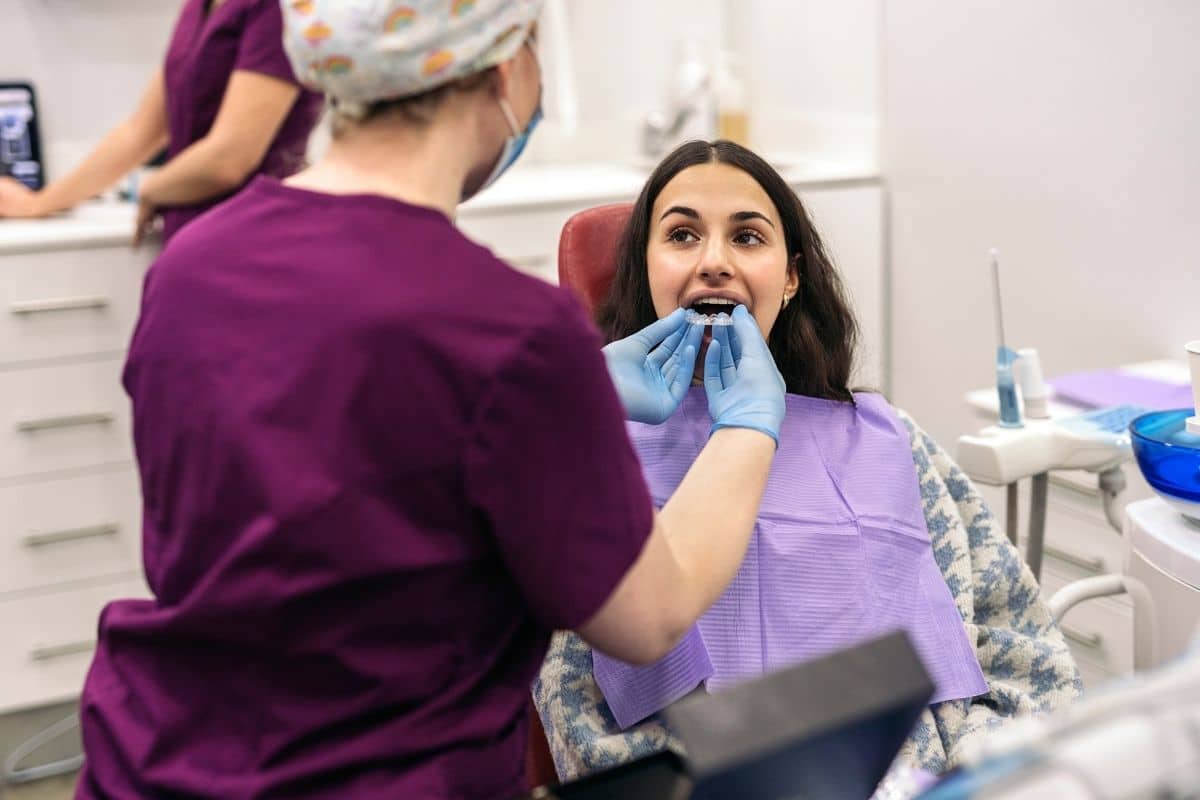
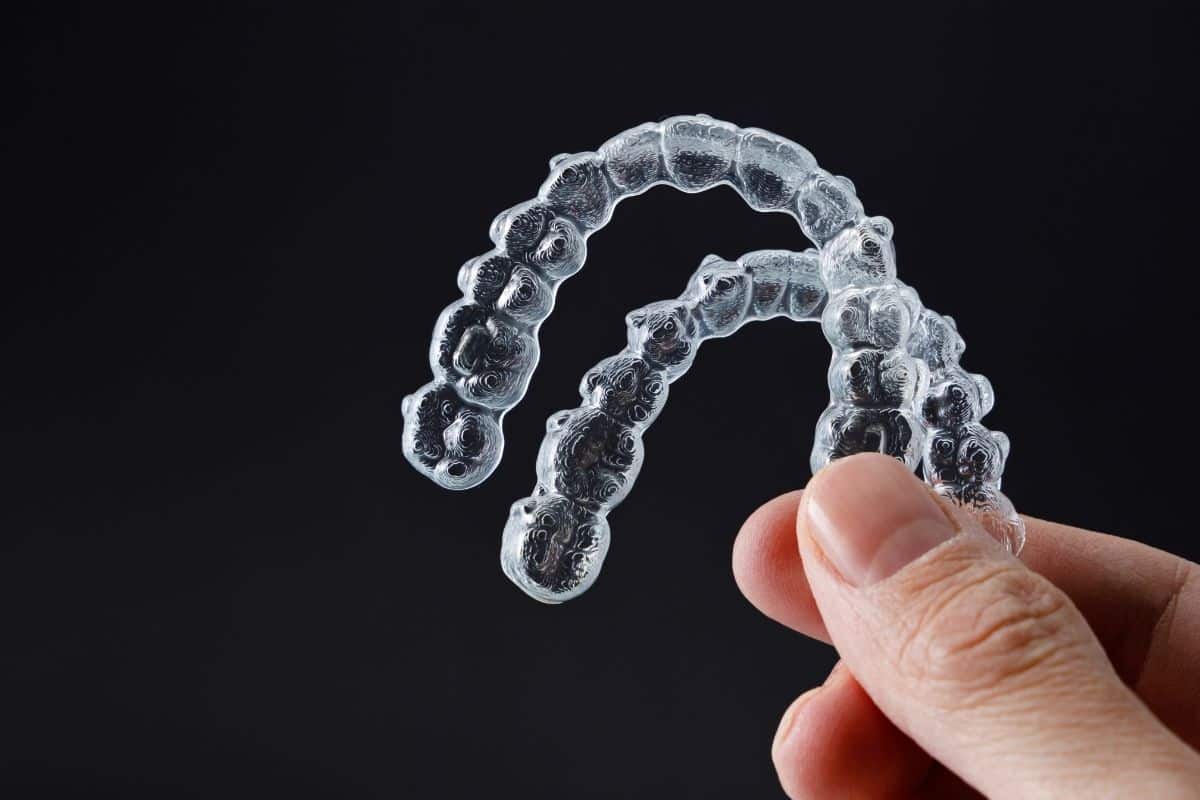
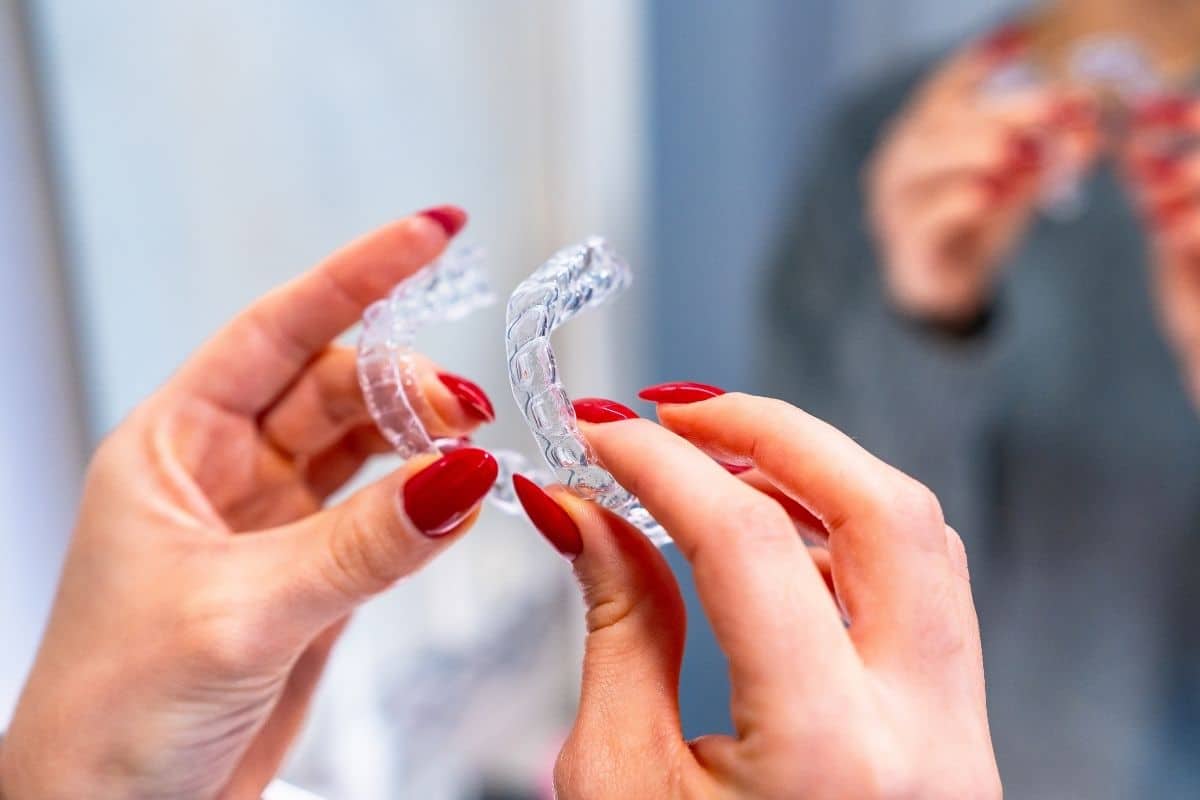
- Clear Aligners: For those seeking a more discreet option, Clear aligners, such as Invisalign, offer a more discreet option for correcting bite patterns.
- Retainers: After the primary orthodontic treatment is completed, retainers are used to maintain the corrected bite pattern and prevent the teeth from shifting back to their original positions.
Benefits of Correcting Your Bite
Correcting your bite pattern offers numerous benefits beyond improved aesthetics. It can enhance oral health by reducing the risk of tooth decay and gum disease caused by misaligned teeth. Additionally, a well-aligned bite can alleviate discomfort and pain associated with jaw issues, such as temporomandibular joint (TMJ) disorders.
The Importance of Early Intervention
Early intervention is key to successful orthodontic treatment. An orthodontist in Cumming can identify and address bite issues in children before they become more severe. Early treatment can reduce the need for more complex procedures later on and improve the overall outcome of orthodontic care.
Maintaining Your Orthodontic Results
Once your orthodontic treatment is complete, maintaining your results is crucial to ensure long-term success. This involves following your orthodontist’s instructions regarding retainer use and practicing good oral hygiene.
Oral Hygiene Tips During Treatment
- Brushing and Flossing: It is essential to maintain excellent oral hygiene throughout your orthodontic treatment. Brush your teeth at least twice a day and floss daily to prevent plaque buildup around braces or aligners.
- Regular Check-ups: Attend all scheduled appointments with your orthodontist to monitor your progress and make any necessary adjustments to your treatment plan.
Post-Treatment Care
- Retainer Use: Wearing your retainer as prescribed helps to keep your teeth in their new positions and prevents them from shifting back to their original alignment.
- Dietary Considerations: Avoid sticky or hard foods that can damage your braces or aligners. Maintaining a balanced diet supports overall oral health and helps to prevent issues that could affect your bite.
In conclusion, orthodontics is a powerful tool for correcting bite patterns and improving overall dental health. Whether you’re dealing with an overbite, underbite, crossbite, or open bite, an orthodontist in Cumming can provide the expertise and treatment options needed to achieve a well-aligned bite. With the right orthodontic care, you can enjoy the benefits of a healthier, more functional smile.