
(678) 578-5384

Braces are an essential part of orthodontic treatment, helping to straighten your teeth and correct misalignments over time. However, just like any other medical device, braces are subject to wear and tear. It’s important to know how to identify if your braces are damaged, as this can affect the progress of your treatment. In this blog, we’ll go over common signs of damage, how to address these issues, and when to see your orthodontist.
Common Types of Braces Damage
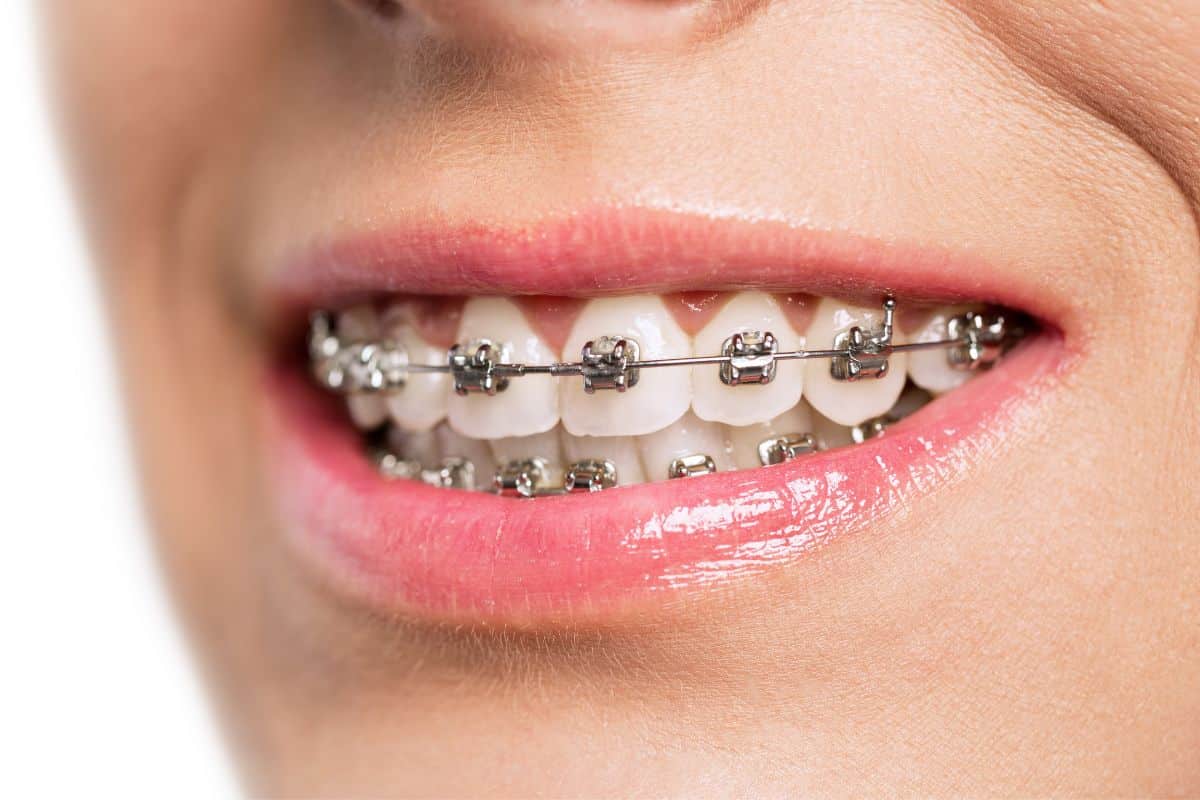
Braces consist of several components: brackets, wires, and bands. Each of these components can potentially get damaged during your treatment. Knowing which part is at risk can help you identify problems early. Here are the most common types of damage you may encounter with braces:
1. Loose Brackets
Brackets are small squares that are glued to the surface of your teeth. They hold the archwire in place, which applies pressure to shift your teeth into alignment. A loose bracket can occur if there’s an impact to the braces or due to poor care, such as eating hard foods. If a bracket becomes loose, it can hinder the effectiveness of the braces and delay treatment.
2. Poking Wires
The archwire runs through the brackets and is responsible for moving your teeth. If the wire becomes loose or shifts out of place, it can poke your gums or the inside of your cheeks. This is not only uncomfortable but can also lead to irritation or cuts. A poking wire can often be fixed temporarily at home by using orthodontic wax, but it’s important to visit your orthodontist to avoid any further complications.
3. Broken Bands
Bands are metal rings that are placed around your back teeth to anchor the braces. If a band becomes loose or breaks, it can affect the stability of the entire brace system. Broken bands should be replaced as soon as possible to avoid interruption in the treatment process.
4. Damaged or Dislodged Rubber Bands
Many orthodontic treatments involve the use of rubber bands to help align the bite. These bands can sometimes snap or become dislodged. While this may not seem like a major issue, it can slow down the progress of your treatment if the bands aren’t replaced promptly.
Signs Your Braces Might Be Damaged
While the components of your braces can suffer from damage over time, there are several warning signs to look out for. Identifying these signs early can help you address the issue before it impacts your treatment.
1. Pain or Discomfort
A certain amount of discomfort is to be expected after each adjustment to your braces, but if the pain persists or intensifies, this could be a sign that something is wrong. If your brackets or wires are broken or out of place, they can cause additional discomfort. Persistent pain can also indicate a loose or broken bracket, a poking wire, or a damaged band.
2. Difficulty Eating or Chewing
If you experience sudden difficulty chewing or eating, it may indicate that one or more parts of your braces are out of place. Broken brackets or bent wires can change how your teeth fit together, making it harder to eat. If you find yourself avoiding certain foods because of discomfort, it’s a good idea to check your braces and see if any parts are loose or damaged.
3. Visible Damage
Sometimes the damage is visible to the naked eye. If you notice that a bracket is missing, a wire is bent, or a band has slipped off, it’s important to act quickly. A visual inspection can be your first clue that your braces are damaged and in need of attention.
4. Unusual Sounds
If you hear any clicking or popping noises when you move your mouth or chew, this may be a sign that something isn’t right with your braces. It could be a loose bracket or a problem with the archwire. Pay attention to any odd sounds and contact your orthodontist if they persist.
What to Do If Your Braces Are Damaged
If you notice any of the signs of damage, it’s crucial to take action as soon as possible to avoid delaying your orthodontic treatment. Here are some tips on what to do if you suspect that your braces are damaged:
1. Check for Visible Damage
If you suspect that your braces are damaged, carefully check your braces for any loose brackets, missing bands, or bent wires. You can use orthodontic wax to cover any poking wires temporarily to relieve discomfort.
2. Contact Your Orthodontist
The next step is to contact your orthodontist to schedule an appointment. They will be able to evaluate the damage and repair it promptly. If your orthodontist can’t see you right away, they may give you instructions on how to handle the situation in the meantime. In some cases, they may recommend a visit to a dental emergency center.
3. Avoid Certain Foods
Until you can get your braces repaired, avoid eating hard, sticky, or crunchy foods. These types of foods can cause further damage to your braces and may make the problem worse. Stick to softer foods that won’t put unnecessary pressure on your braces.
4. Be Prepared for an Adjustment
When you visit your orthodontist, they may need to make an adjustment or replace damaged components. Depending on the severity of the damage, this may mean a simple fix or a longer appointment. It’s always a good idea to keep your orthodontist’s contact information handy in case of an emergency.
Conclusion
Damaged braces can delay your treatment and lead to discomfort, so it’s essential to be proactive in identifying and addressing any issues. Be sure to regularly check your braces for any signs of damage and seek help from your orthodontist if necessary. If you’re looking for professional and reliable braces treatment, consider visiting an expert in your area. For residents of the Cumming area, Braces treatment in Cumming can help ensure that your braces are always in optimal condition. Don’t let damage slow down your journey to a perfect smile!