
(678) 578-5384

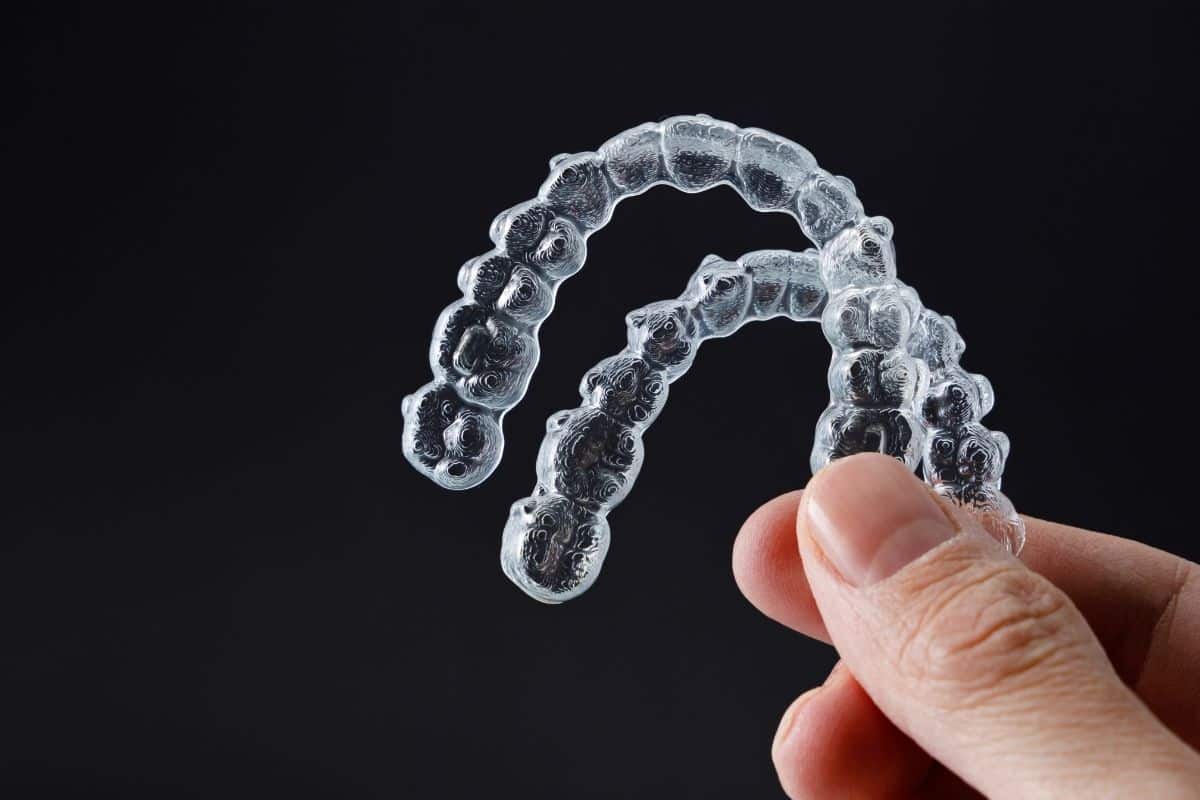
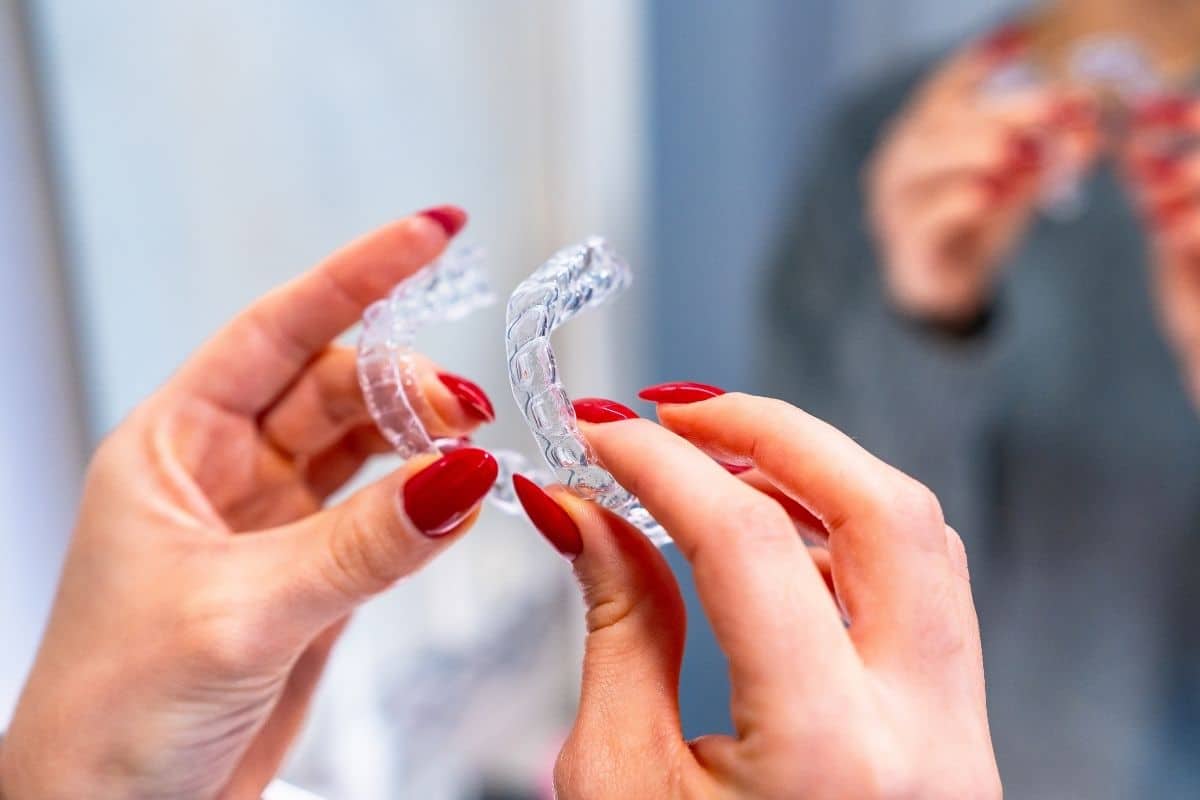
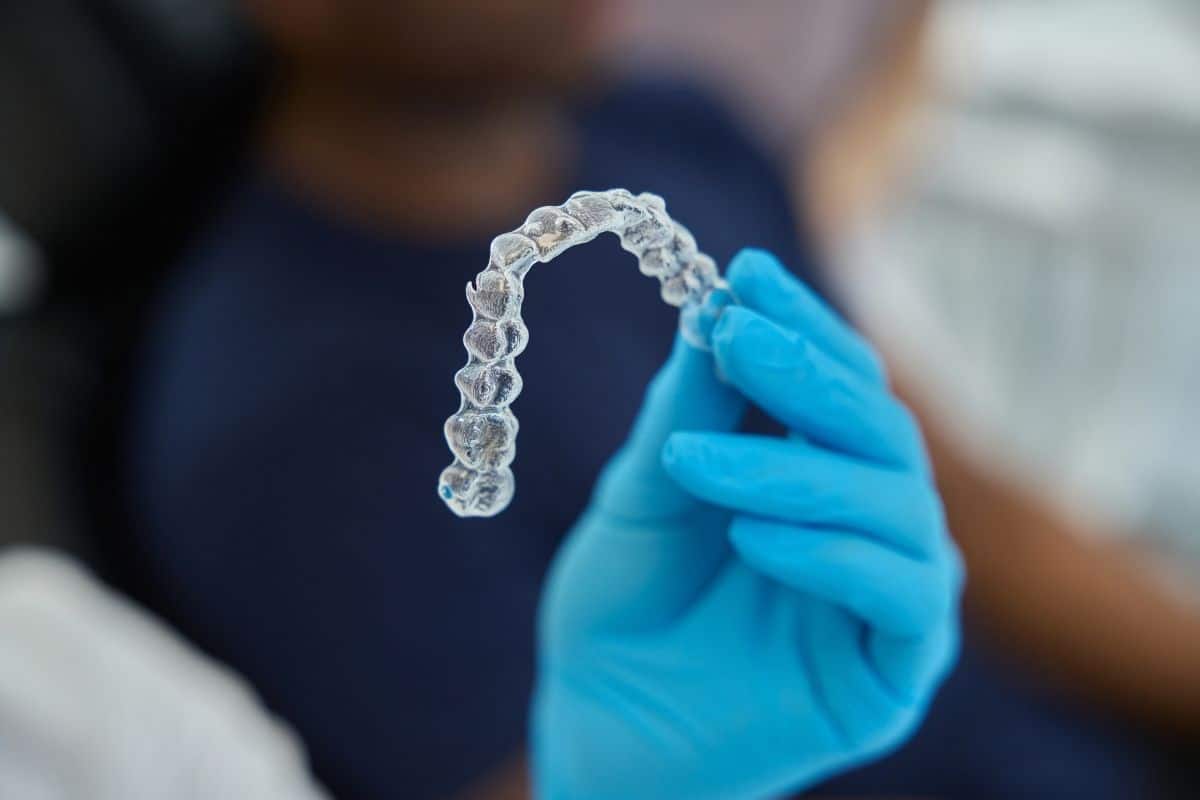
Invisalign has become a popular choice for patients who want a discreet way to straighten their teeth without metal brackets. However, clear aligners are not a one-size-fits-all solution. If you’re searching for Invisalign in cumming ga, it’s important to understand that certain dental conditions and lifestyle factors may limit whether Invisalign is the right option for you. Knowing these restrictions upfront helps you avoid unrealistic expectations and choose the most effective treatment. In this blog, we’ll break down who should avoid Invisalign, why it may not work in some cases, and what alternatives may offer better results.
Who Should Avoid Invisalign Clear Aligners?
Patients With Severe Bite Problems
Invisalign works by applying gentle, controlled pressure to move teeth gradually. While it can correct minor bite issues, severe overbites, underbites, open bites, or crossbites often require stronger and more precise force. When jaw alignment is significantly off, clear aligners may not provide enough control.
In these situations, traditional orthodontic options—such as braces cumming ga—can correct bite issues more efficiently and safely. A qualified local Invisalign dentist will evaluate how your upper and lower teeth fit together before recommending aligners.
Individuals With Extreme Crowding or Large Gaps
Clear aligners are effective for mild to moderate spacing problems, but severe crowding or large gaps can limit their success. When teeth are tightly overlapped or there isn’t enough room in the jaw, aligners may struggle to create proper movement without causing discomfort or instability.
Large gaps may also signal missing teeth or underlying bone concerns. In these cases, braces or phased orthodontic treatment may be a better solution than Invisalign alone. An experienced Invisalign provider in Cumming can determine which option delivers long-term results.
Patients With Missing Teeth or Extensive Dental Work
Invisalign relies on natural teeth to guide alignment. Dental implants, bridges, and multiple crowns do not move the same way natural teeth do. This can make aligner tracking unpredictable or ineffective.
While having a crown or single restoration doesn’t automatically disqualify you, extensive dental work requires careful planning. Sometimes orthodontic treatment must be completed before restorative procedures to achieve the best outcome.
People With Active Gum Disease or Poor Oral Health
Healthy gums and strong bone support are essential for safe orthodontic treatment. Patients with untreated gum disease, frequent bleeding gums, infections, or advanced tooth decay should not begin Invisalign until these issues are resolved.
Moving teeth when the gums are inflamed increases the risk of bone loss and tooth mobility. Many patients around Cumming, Alpharetta, and Sugar Hill are advised to complete periodontal care first before considering Invisalign or braces.
Patients With TMJ Disorders or Jaw Pain
Temporomandibular joint (TMJ) disorders can complicate Invisalign treatment. Jaw clicking, chronic pain, or limited jaw movement may worsen if aligners alter the bite improperly.
While Invisalign may help mild clenching or grinding in some cases, TMJ symptoms should always be evaluated first. A local Invisalign dentist will assess whether aligners will support or strain your jaw health before proceeding.
Those Unable to Commit to Wearing Aligners Consistently
One of the most common Invisalign restrictions has nothing to do with teeth—it’s compliance. Invisalign must be worn 20–22 hours per day to work effectively. Removing aligners frequently, forgetting to put them back in, or not following care instructions can delay or derail results.
For younger patients or busy adults who struggle with consistency, fixed orthodontic options like braces in cumming ga may provide better, more predictable outcomes.
Younger Children With Developing Teeth
Although Invisalign has options for teens, very young children whose permanent teeth haven’t fully erupted may not be ideal candidates. Dental development, jaw growth, and maturity all play a role in treatment success.
In many cases, early orthodontic intervention with traditional appliances is recommended first, followed by Invisalign later when the mouth is more developed.
When Braces May Be the Better Option
If Invisalign is not suitable, braces remain a highly effective solution. Traditional metal braces, ceramic braces, and hybrid orthodontic treatments can correct complex alignment issues that aligners cannot.
Patients researching braces cumming ga often discover that braces provide faster correction for severe cases while still delivering excellent long-term results. The key is choosing the right treatment—not the trendiest one.
Conclusion
Invisalign offers convenience and discretion, but it isn’t the right solution for every smile. Severe bite issues, advanced gum disease, missing teeth, TMJ disorders, and poor compliance can all limit its effectiveness. Understanding these Invisalign restrictions helps you make confident, informed decisions about your orthodontic care. At Cumming Pediatric Dentistry & Orthodontics, we help patients throughout Cumming and nearby communities choose treatments that truly work for their needs.
Contact us today to schedule your appointment and explore the best path to a healthier smile.
Visit us at 3275 Market Place Blvd. Suite 150, Cumming, Georgia 30041.
FAQs
Q1: Can Invisalign fix severe orthodontic problems?
Invisalign is best for mild to moderate issues. Severe bite problems or extreme crowding usually require braces or a combined treatment approach.
Q2: Is Invisalign a good option if I have gum disease?
No. Gum disease must be treated first. Healthy gums are essential before starting Invisalign or any orthodontic treatment.
Q3: How do I know if Invisalign is right for me?
A consultation with a local Invisalign dentist will evaluate your oral health, alignment, and lifestyle to determine the best treatment option.