
(678) 578-5384


If you’re considering Invisalign, it’s natural to wonder: Is it uncomfortable? Many patients searching for Invisalign in cumming ga want honest answers before committing to treatment. Invisalign is known for being more comfortable than traditional braces, but like any orthodontic solution, it can come with a few temporary challenges. The good news is that most concerns are mild, manageable, and short-lived. In this blog, we’ll break down the most common Invisalign complaint, explain why it happens, and share practical tips to stay comfortable throughout treatment—especially if you’re looking for Invisalign treatment in Cumming from a trusted local provider.
Understanding Invisalign and Comfort
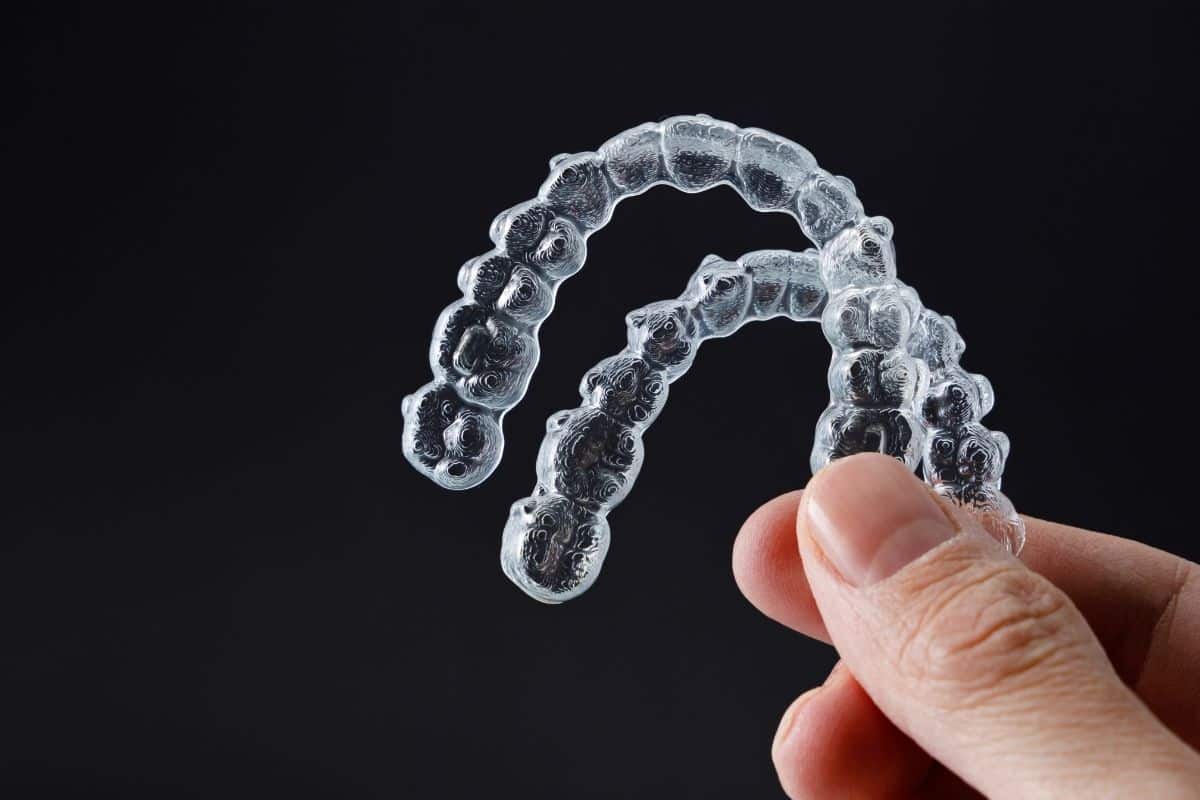
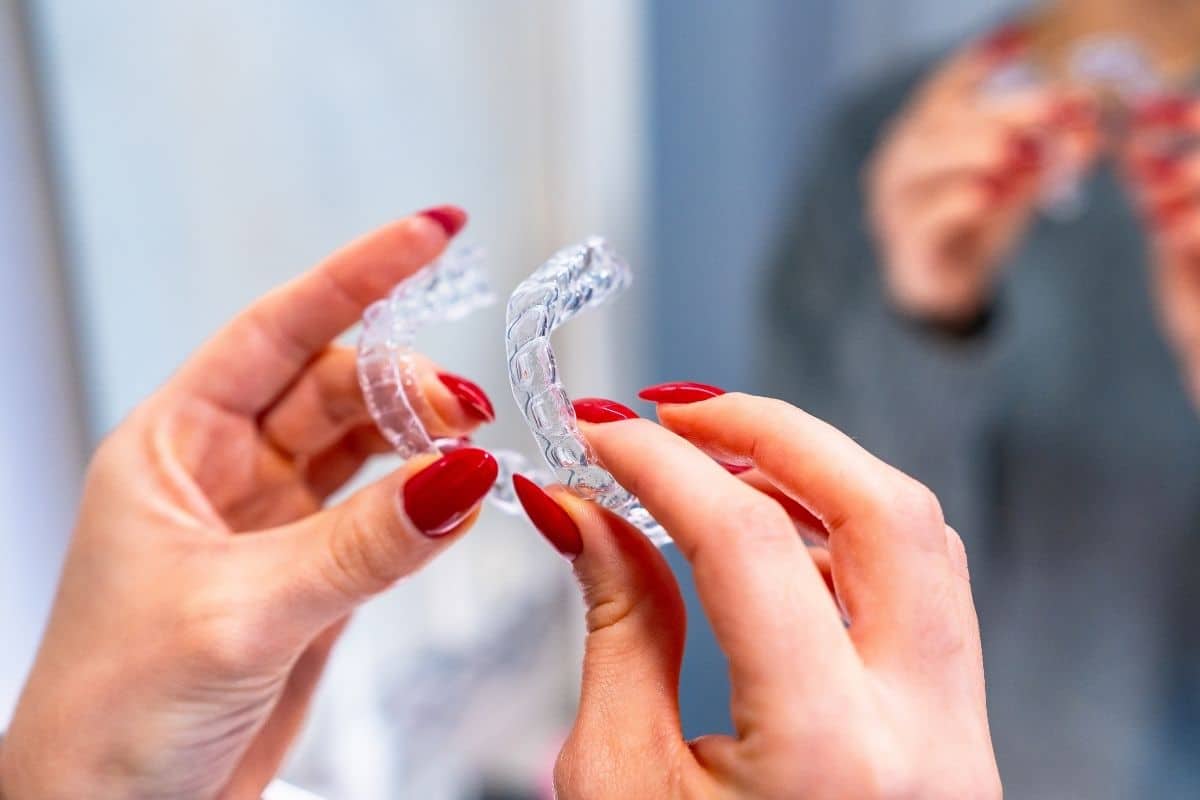
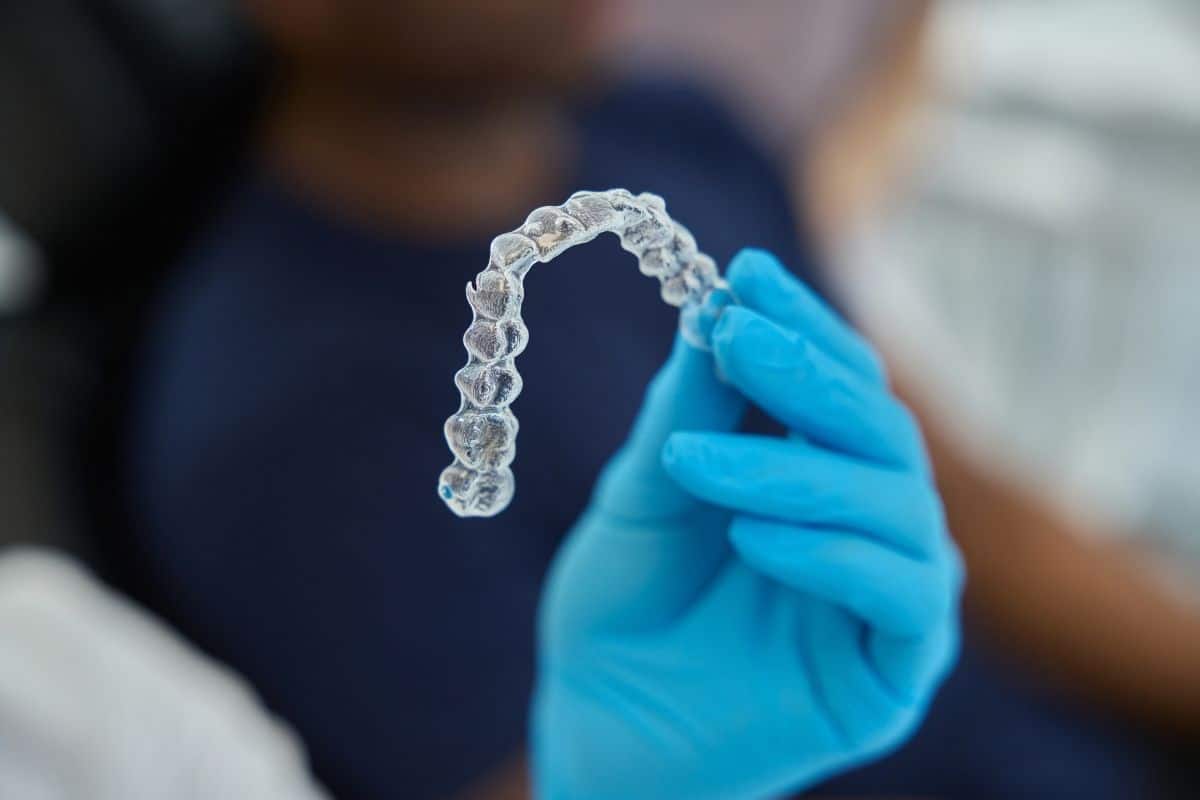
Invisalign uses a series of custom-made, clear aligners designed to gently move your teeth into proper alignment over time. Unlike metal braces, there are no wires or brackets to irritate your mouth. That’s why many patients working with a local Invisalign dentist choose this option for its convenience and subtle appearance.
However, “gentle” doesn’t always mean you won’t feel anything at all. Invisalign works by applying controlled pressure to your teeth, and pressure is a sign that the aligners are doing their job.
The Most Common Complaint: Mild Discomfort or Soreness
The most frequent Invisalign complaint isn’t sharp pain—it’s mild soreness or pressure, especially during the first few days of a new aligner tray. This typically happens because your teeth are adjusting to their new positions.
Here’s what patients commonly experience:
- Light pressure on specific teeth
- Slight gum sensitivity
- Mild soreness when chewing during the first few days
This discomfort usually peaks within the first 24–48 hours and fades as your mouth adapts. Compared to traditional braces, most patients find Invisalign far more comfortable and easier to manage.
Why Does Invisalign Cause Discomfort?
Understanding why discomfort happens can make it easier to tolerate:
1. Tooth Movement Is Happening
Each aligner tray is designed to move your teeth slightly. That movement naturally creates pressure, which can feel unfamiliar at first.
2. New Trays = New Pressure
Every time you switch to a new set of aligners—usually every one to two weeks—you may notice brief soreness again. This is normal and typically less noticeable as treatment progresses.
3. Sensitive Teeth or Gums
Patients with sensitive teeth, mild gum inflammation, or existing dental issues may feel more discomfort initially. A qualified Invisalign provider in Cumming will always evaluate these factors before starting treatment.
How Long Does Invisalign Discomfort Last?
For most patients, Invisalign discomfort lasts:
- 2–3 days after starting treatment
- 1–2 days after switching to a new aligner set
Over time, many people barely notice the transition between trays. Your mouth becomes accustomed to the process, making each phase easier than the last.
If discomfort lasts longer than a week or feels severe, it’s important to contact your dentist. Persistent pain is not typical and may indicate that an adjustment is needed.
Other Common Invisalign Complaints
While soreness is the top concern, a few other issues may come up:
Commitment to Wear Time
Invisalign must be worn 20–22 hours per day. Some patients find this challenging at first, especially during busy schedules or social events. Creating a routine and planning meals helps make this much easier.
Frequent Removal for Eating
You’ll need to remove aligners when eating or drinking anything other than water. While this requires discipline, it also allows you to enjoy your favorite foods without restrictions—something traditional braces don’t offer.
Minor Speech Changes
Some patients notice a slight lisp during the first few days. This usually disappears quickly as your tongue adjusts.
Tips to Reduce Invisalign Discomfort
Here are simple, effective ways to stay comfortable during Invisalign treatment in Cumming:
- Switch aligners before bedtime so you sleep through the initial pressure
- Stick to soft foods for the first day or two of a new tray
- Use aligner chewies to help trays fit properly
- Stay consistent with wear time to avoid unnecessary tightness
- Communicate with your dentist if something doesn’t feel right
An experienced local Invisalign dentist can also smooth rough edges or make adjustments if aligners irritate your gums.
Is Invisalign Still Worth It?
For most patients, absolutely. Invisalign offers:
- Greater comfort than metal braces
- Nearly invisible appearance
- Easier oral hygiene
- No food restrictions
The temporary discomfort is usually minimal compared to the long-term benefits of a straighter, healthier smile. With guidance from a trusted Invisalign provider in Cumming, the process is smooth, predictable, and well-supported.
At Cumming Pediatric Dentistry & Orthodontics, patients of all ages—from kids and teens to adults—receive personalized Invisalign care designed for comfort and results.
Conclusion
So, is Invisalign uncomfortable? For most patients, discomfort is mild, temporary, and a normal part of the process. Understanding what to expect makes the experience far less intimidating. With professional guidance, proper wear habits, and realistic expectations, Invisalign remains one of the most comfortable orthodontic options available. If you’re considering treatment, the team at Cumming Pediatric Dentistry & Orthodontics is here to help you every step of the way.
Contact us today to schedule your appointment and start your smile journey with confidence.
Visit us at 3275 Market Place Blvd. Suite 150, Cumming, Georgia 30041.
FAQs
Q1: Does Invisalign hurt more than braces?
No. Invisalign discomfort is generally milder and shorter-lasting than traditional braces since there are no wires or brackets.
Q2: Can I take pain relievers for Invisalign soreness?
Yes, over-the-counter pain relievers and soft foods can help during the first few days of a new aligner.
Q3: When should I call my Invisalign dentist about pain?
If pain lasts longer than a week or feels severe, contact your Invisalign provider in Cumming for an evaluation.