
(678) 578-5384

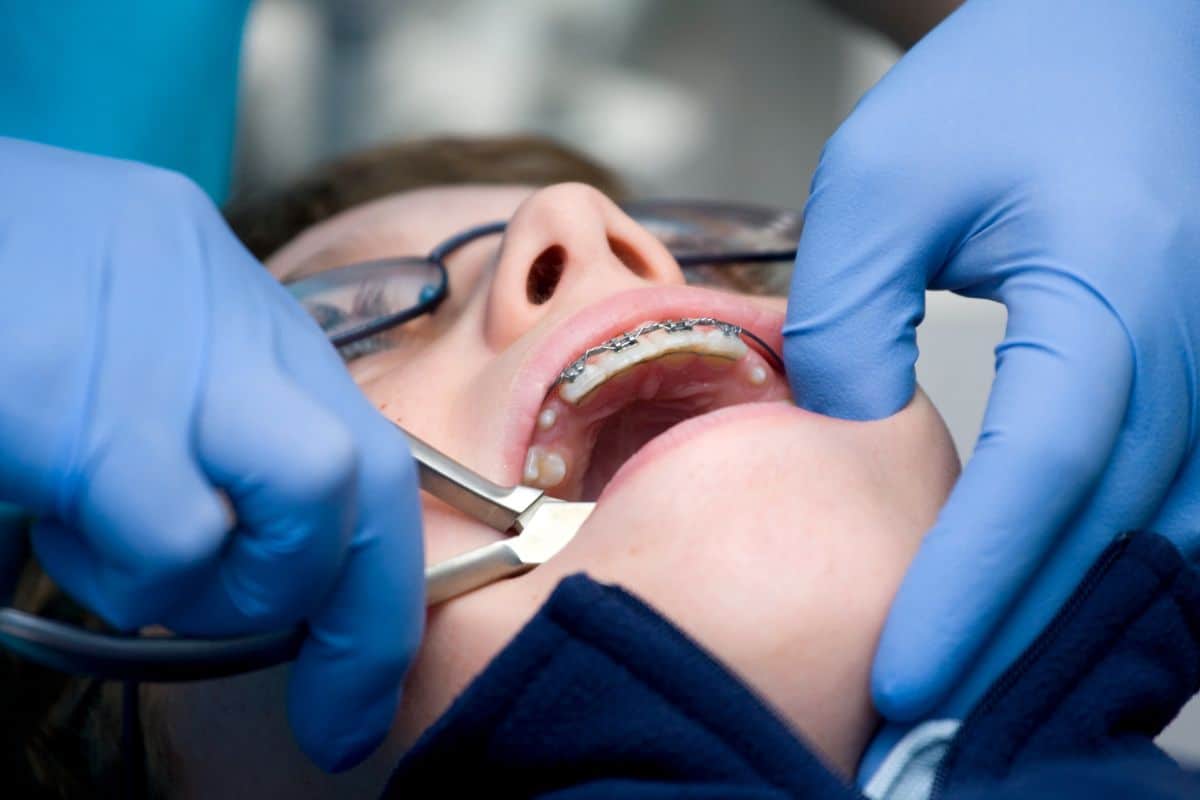
Braces are a significant milestone for many children as they embark on the journey to a straighter, healthier smile. However, adjusting to braces can be challenging, both physically and emotionally. As a parent, your support is vital in helping your child get through the initial adjustment period. With a few helpful tips and strategies, you can make the transition smoother for your child. Here’s how to help your child adjust to braces effectively.
1. Preparing Your Child for Braces
Before your child gets braces, it’s important to prepare them for what to expect. This will help ease anxiety and allow them to approach the experience with a positive attitude.
Explain the Purpose of Braces
Take the time to explain why braces are necessary and how they will improve your child’s oral health and appearance. Let them know that the short-term discomfort will lead to long-term benefits like a confident smile and healthier teeth.
Discuss the Process with Them
Go over the process of getting braces, so your child knows what to expect during appointments. Explain how the orthodontist will place the braces, how the braces work, and that it may take a few days to adjust. Knowledge can reduce their fear of the unknown.
Choose the Right Time
If possible, schedule the appointment for getting braces at a convenient time, such as the start of a weekend or during a school break. This will give your child a few days to adjust to the braces without the added pressure of school or extracurricular activities.
2. Managing Discomfort and Pain
The first few days after getting braces can be uncomfortable as your child’s mouth adjusts to the new hardware. Here are some tips to help manage the initial discomfort.
Over-the-Counter Pain Relief
Mild discomfort is common after the braces are first applied and after adjustments. You can give your child over-the-counter pain relief like ibuprofen or acetaminophen to ease the soreness. Be sure to follow the dosage instructions on the package and consult your child’s orthodontist if you’re unsure.
Orthodontic Wax
The brackets and wires of braces can sometimes irritate the soft tissues in your child’s mouth. Orthodontic wax is an excellent solution for this. Show your child how to apply the wax to any areas causing discomfort, especially sharp edges or rough spots.
Saltwater Rinses
A simple saltwater rinse can help reduce inflammation and soothe sore gums. Mix a teaspoon of salt with a cup of warm water and have your child swish it around in their mouth for about 30 seconds before spitting it out. This can be done a few times a day for relief.
Soft Foods Diet
For the first few days, your child may have difficulty eating their usual meals due to tenderness. Offer soft foods like yogurt, mashed potatoes, smoothies, and soups that are easy to eat without chewing too much. Gradually, as the discomfort subsides, they can return to their regular diet, avoiding any foods that could damage the braces.
3. Developing a New Oral Care Routine
Braces require extra attention when it comes to oral hygiene. Your child will need to adjust their brushing and flossing habits to keep their teeth and gums healthy throughout their orthodontic treatment.
Brushing with Braces
Teach your child how to brush effectively with braces. They will need to brush after every meal to remove food particles that can get stuck in the brackets and wires. Make sure they are using a soft-bristle toothbrush and fluoride toothpaste. Electric toothbrushes with orthodontic heads can also help ensure a thorough cleaning.
Flossing with Braces
Flossing can be tricky with braces, but it’s still essential. Special tools like floss threaders or orthodontic floss can make it easier for your child to clean between their teeth and under the wires. Encourage your child to be patient and diligent with their flossing routine.
Mouth Rinse
A fluoride mouth rinse can help protect your child’s teeth from cavities during their orthodontic treatment. Rinsing with a fluoride mouthwash once a day can strengthen tooth enamel and wash away any lingering debris that brushing and flossing might miss.
4. Encouraging Healthy Eating Habits
Certain foods can damage braces, so your child will need to make some adjustments to their diet. Providing healthy alternatives and helping them avoid problematic foods will go a long way in ensuring a smooth treatment.
Foods to Avoid
Your child should avoid hard, sticky, and chewy foods that can break brackets or bend wires. Some foods to avoid include:
- Hard candies and lollipops
- Chewing gum
- Popcorn
- Nuts
- Raw carrots and apples (unless cut into small pieces)
- Chewy candies like caramel and taffy
Healthy Braces-Friendly Foods
Focus on providing braces-friendly foods that are easy to chew and nutritious. Some examples include:
- Yogurt
- Smoothies
- Soft fruits like bananas and berries
- Cooked vegetables
- Pasta and rice
- Cheese and eggs
Encourage Hydration
Sugary and acidic drinks can cause tooth decay, especially when wearing braces. Encourage your child to drink plenty of water throughout the day. Water helps to wash away food particles and bacteria, keeping their mouth clean and healthy.
5. Emotional Support and Encouragement
Wearing braces can be a big change for a child, especially in social settings. Providing emotional support will help them maintain a positive outlook on their orthodontic treatment.
Positive Reinforcement
Praise your child for taking care of their braces and maintaining good oral hygiene. Celebrate small victories, like getting through an adjustment appointment or sticking to their new oral care routine. Positive reinforcement will help them feel motivated to keep up the good work.
Addressing Appearance Concerns
Some children may feel self-conscious about their appearance with braces. Reassure your child that braces are temporary and remind them of the end goal—a beautiful, straight smile. Many children wear braces, and it’s often seen as a normal part of growing up. You can also let your child personalize their braces by choosing colorful elastics, which can make the experience more fun and expressive.
Involve Your Orthodontist
If your child has concerns or struggles with their braces, don’t hesitate to reach out to their orthodontist. Orthodontists are experienced in helping children adjust and can provide reassurance and tips to make the process easier.
6. The Importance of Regular Orthodontic Visits
Regular check-ups and adjustments are a critical part of the braces journey. Ensure your child attends all scheduled orthodontic appointments, as these visits allow the orthodontist to monitor progress and make any necessary adjustments.
Why Adjustments Matter
During each visit, the orthodontist will tighten the wires, which helps move the teeth into the desired position. While these adjustments can cause some temporary discomfort, they are essential for the success of the treatment.
Communication with the Orthodontist
Keep open lines of communication with your child’s orthodontist. If your child is experiencing significant pain, loose brackets, or poking wires, the orthodontist can address these issues and make adjustments to improve your child’s comfort.
Conclusion
Adjusting to braces may take some time, but with the right support and care, your child will soon adapt to their new smile journey. By preparing them ahead of time, managing discomfort, maintaining good oral hygiene, and offering emotional support, you can help make the experience a positive one. Remember, the result will be worth it—a confident smile that lasts a lifetime!