
(678) 578-5384


Establishing strong dental habits early in life is crucial for maintaining good oral health. Developing these habits can be a challenge, but with the right approach, you can make dental care a positive and enjoyable experience for your child. Here are some effective strategies to encourage good dental habits in kids, guided by insights from pediatric dentists and practices in pediatric dentistry.
Understanding the Importance of Dental Hygiene
Before diving into tips and techniques, it’s important to understand why dental hygiene is essential. Proper brushing and flossing prevent cavities, gum disease, and other oral health issues. Pediatric dental care focuses on these early preventive measures to ensure your child’s teeth and gums are healthy. Children who learn to take care of their teeth early on are more likely to carry these habits into adulthood, which can lead to a lifetime of healthy smiles.
Start Early: The Foundation of Good Dental Habits
Introduce Oral Care at a Young Age
Even before your child’s first teeth appear, it’s a good idea to start cleaning their gums with a soft, damp cloth. Once their first teeth emerge, begin using a small, soft-bristled toothbrush. This early introduction helps them get used to the process of brushing, as advised by pediatric dentists who emphasize the importance of starting oral care early.
Make Brushing Routine
Establish a regular brushing schedule. Brush your child’s teeth twice a day—once in the morning and once before bed. Consistency helps them understand that dental care is a normal part of their daily routine, a principle that is central to effective pediatric dentistry.
Make Brushing Fun and Engaging
Choose a Fun Toothbrush
Let your child pick out a toothbrush with their favorite character or color. A toothbrush that excites them can make brushing feel less like a chore and more like a fun activity. Pediatric dental care often includes recommending engaging dental products that encourage children to brush regularly.
Use Fluoride Toothpaste with Flavor
Fluoride toothpaste helps protect against cavities, and many come in kid-friendly flavors. Allowing your child to choose their preferred flavor can make brushing more enjoyable for them, a technique used by pediatric dentists to increase compliance and make dental hygiene more appealing.
Incorporate Games and Rewards
Turn brushing into a game. Set a timer and challenge your child to brush until the timer goes off. You can also use a sticker chart or small rewards to motivate them. Celebrate their efforts and progress to keep them excited about dental care.
Teach Proper Brushing and Flossing Techniques
Demonstrate and Supervise
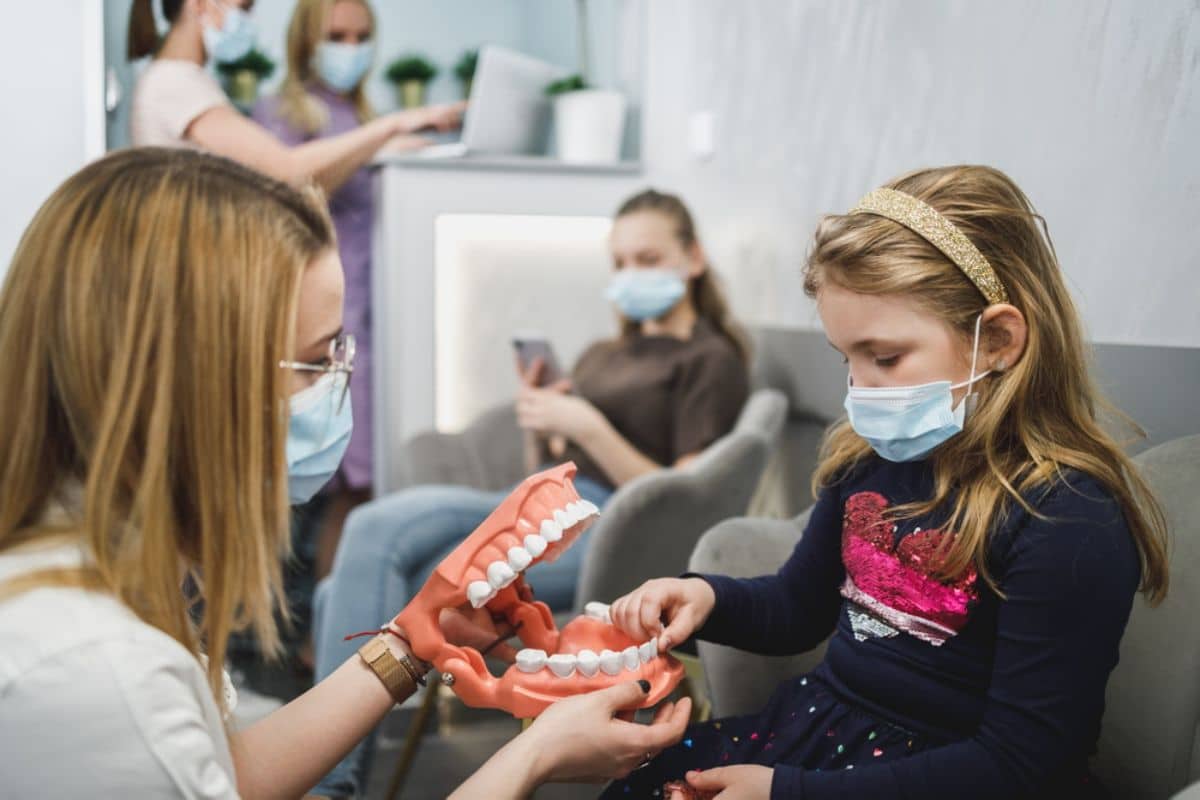
Show your child the correct brushing technique—using gentle, circular motions and brushing all surfaces of their teeth. Supervise their brushing until they develop the skills and dexterity to do it on their own, typically around age 7 or 8. Pediatric dentistry often focuses on teaching children these techniques early to ensure they understand the importance of thorough brushing.
Introduce Flossing Early
Once your child has more than two teeth touching, it’s time to start flossing. Demonstrate how to use dental floss and help them get the hang of it. Flossing is important for removing food particles and plaque between teeth, areas that a toothbrush alone can’t reach. Pediatric dental care includes flossing instruction as an essential part of maintaining oral health.
Create a Positive Dental Environment
Regular Dental Visits
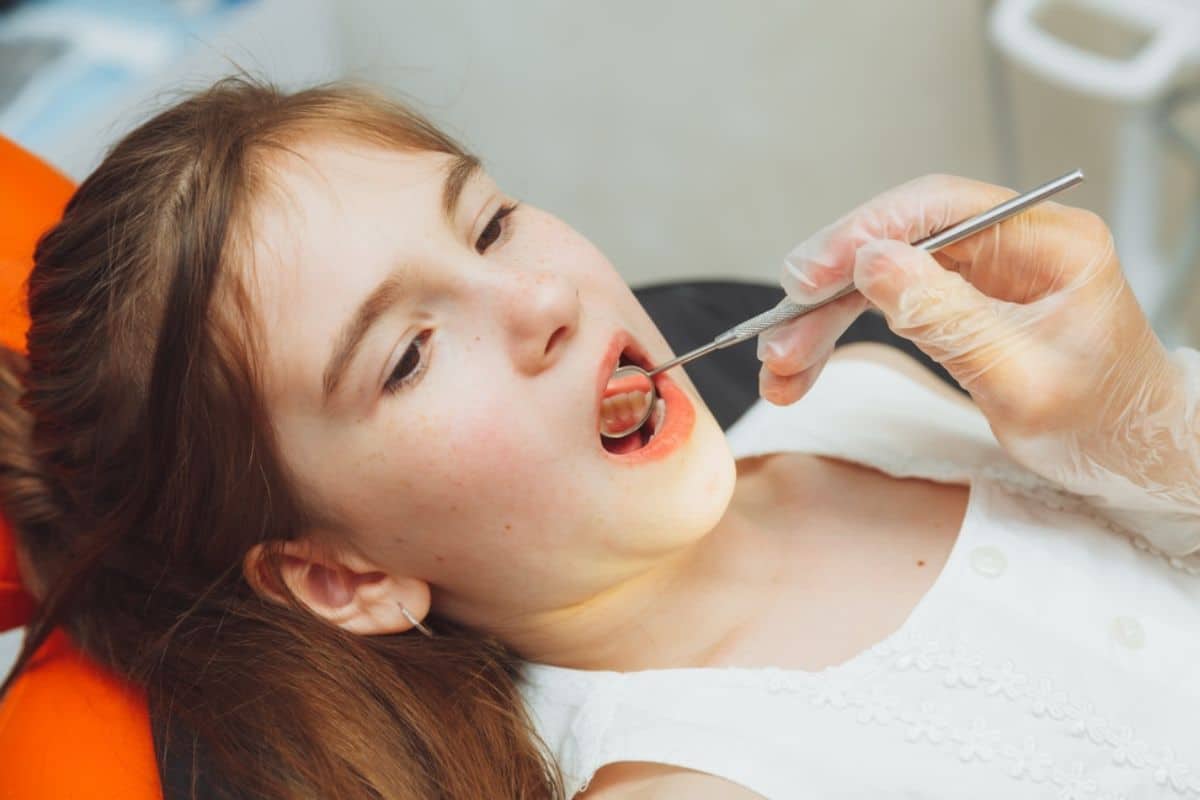
Schedule regular dental check-ups starting from around age one or as soon as their first tooth appears. Regular visits to a pediatric dentist help your child become accustomed to the dental office environment and reinforce the importance of oral health. Pediatric dentists are skilled in creating a positive experience for children, which helps in reducing anxiety and encouraging ongoing dental care.
Be a Role Model
Children often mimic the behaviors of adults, so practice good dental hygiene yourself. Brush and floss your teeth alongside your child to reinforce the message that dental care is important for everyone.
Address Dental Health Concerns
Educate About Healthy Eating
Teach your child about the impact of diet on dental health. Encourage them to eat a balanced diet with plenty of fruits, vegetables, and whole grains. Limit sugary snacks and drinks, which can contribute to cavities and other dental problems. Pediatric dentistry often incorporates dietary advice as part of a comprehensive approach to dental health.
Handle Dental Anxiety with Care
If your child is anxious about dental visits, talk about it openly and positively. Explain what will happen in simple terms and offer reassurance. Some children may benefit from visiting the dentist together as a family, which can help reduce fear and make the experience less intimidating. Pediatric dental care strategies often include ways to address and alleviate dental anxiety.
Troubleshooting Common Challenges
Dealing with Resistance
It’s common for children to resist brushing at times. If your child refuses to brush, try to understand their reasons—whether it’s discomfort, boredom, or something else. Address their concerns and offer solutions, like a different toothpaste flavor or a new toothbrush. Pediatric dentists can offer additional tips and tricks for overcoming common brushing challenges.
Adjusting to New Routines
As your child grows, their dental needs and routines will evolve. Be prepared to adjust their brushing and flossing habits as they develop new skills and their teeth change.
Encouraging effective dental habits in kids involves patience, creativity, and consistency. By starting early, making dental care fun, and setting a positive example, you can help your child develop a lifelong commitment to oral health. Remember, every child is different, so be flexible and supportive as you guide them through the journey of good dental hygiene. A healthy smile is worth the effort, and with the right approach, you can make dental care an enjoyable part of your child’s daily routine. With insights from pediatric dentists and a focus on pediatric dental care, you can ensure your child’s dental health is on the right track.