
(678) 578-5384

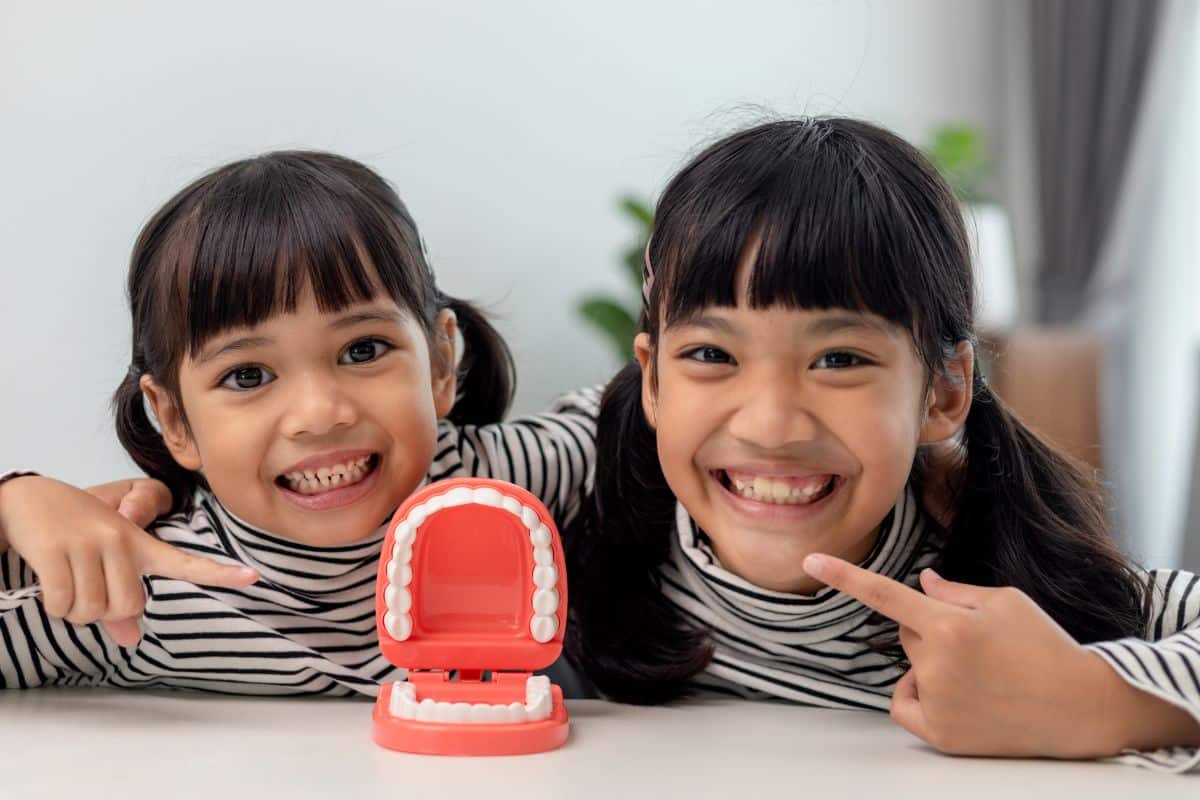
Braces are essential in orthodontics, helping correct misaligned teeth and jaws. For kids, the choice of braces can significantly impact their comfort, effectiveness of treatment, and overall experience. This guide explores the best types of braces for kids, helping you make an informed decision for your child’s orthodontic needs.
Understanding Orthodontics for Kids
Orthodontics focuses on diagnosing, preventing, and treating dental and facial irregularities. This often involves correcting issues like overcrowding, gaps, and bite problems for children. Early intervention can lead to more effective treatment and potentially shorter overall treatment times.
Why Early Orthodontic Treatment Matters
Starting orthodontic treatment early, often around ages 7 to 9, can be beneficial. This period, known as interceptive orthodontics, allows for the correction of problems before they become more severe. Early treatment can:
- Guide Jaw Growth: Corrects issues related to the growth of the jaw.
- Create Space: Helps to prevent overcrowding by creating adequate space for adult teeth.
- Correct Bite Issues: Addresses problems such as overbites or underbites early on.
Types of Braces for Kids
Choosing the right type of braces is crucial for ensuring that your child’s treatment is effective and comfortable. Here are some of the best options available:
1. Traditional Metal Braces
Traditional metal braces are the most common type used in orthodontics. They consist of metal brackets and wires, which are adjusted over time to shift the teeth into the correct position.
Advantages:
- Durability: Metal braces are sturdy and can withstand active children’s daily wear and tear.
- Effectiveness: They are highly effective for a wide range of orthodontic issues, making them one of the best braces for kids.
Disadvantages:
- Appearance: Some kids may feel self-conscious about the appearance of metal braces.
- Comfort: They may irritate the inside of the mouth, though this can be managed with wax or other comfort aids.
Metal Braces for Kids are a tried-and-true option, providing lasting results for children of all ages.
2. Ceramic Braces
Ceramic braces function similarly to metal braces but use clear or tooth-colored brackets. This makes them less noticeable and a preferred choice for kids concerned about the visibility of their braces.
Advantages:
- Aesthetics: The clear or tooth-colored brackets blend in with the natural teeth, making them a good option for kids who want a more discreet option.
- Comfort: They are generally smoother and less irritating to the inside of the mouth compared to metal braces.
Disadvantages:
- Cost: Ceramic braces tend to be more expensive than metal braces.
- Staining: The brackets can become discolored if not properly maintained.
Many kids enjoy the clear braces for kids looks, as it give them the benefit of braces without drawing attention.
3. Lingual Braces
Lingual braces are placed on the back of the teeth, making them invisible from the front. They offer the same effectiveness as traditional braces but with a discreet appearance.
Advantages:
- Invisible: Lingual braces are not visible from the outside, making them an excellent option for self-conscious kids.
- Effective: They work well for correcting most orthodontic issues, similar to types of braces for kids-teeth.
Disadvantages:
- Comfort: They can cause more discomfort initially and may irritate the tongue.
- Maintenance: They can be harder to clean and adjust, potentially leading to longer appointments.
4. Clear Aligners
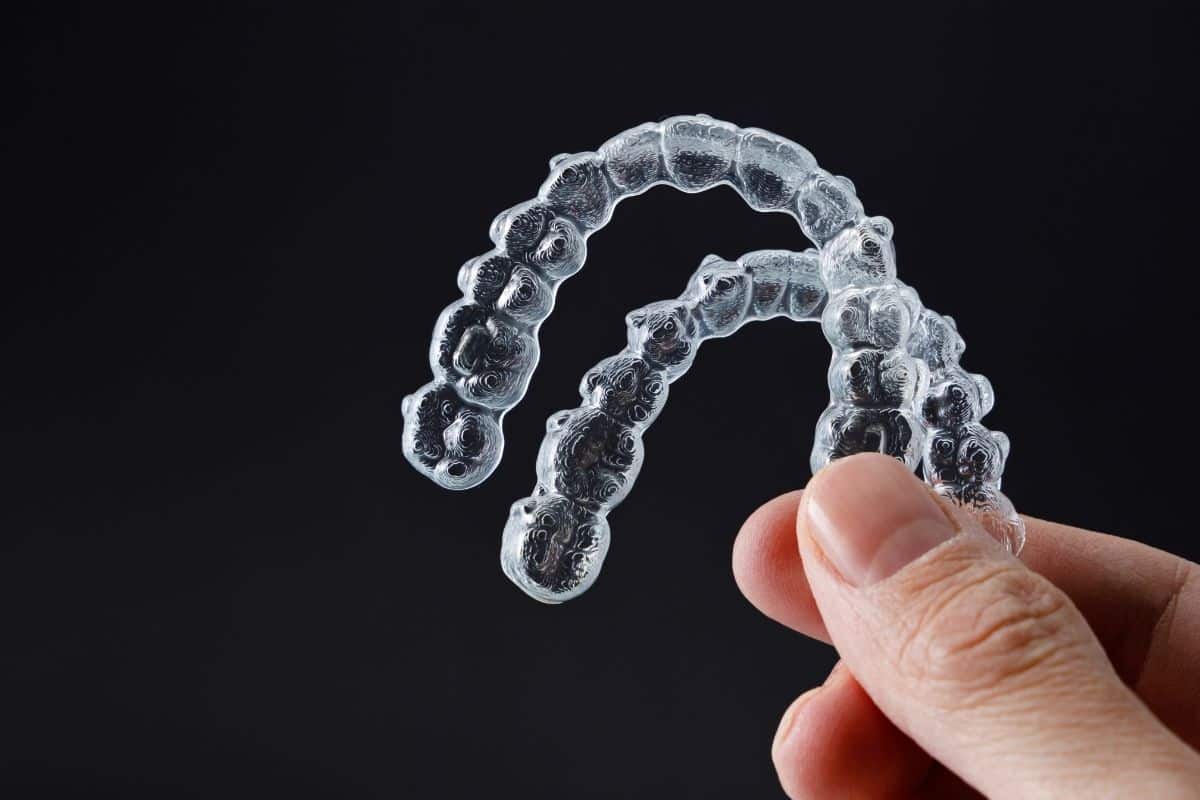
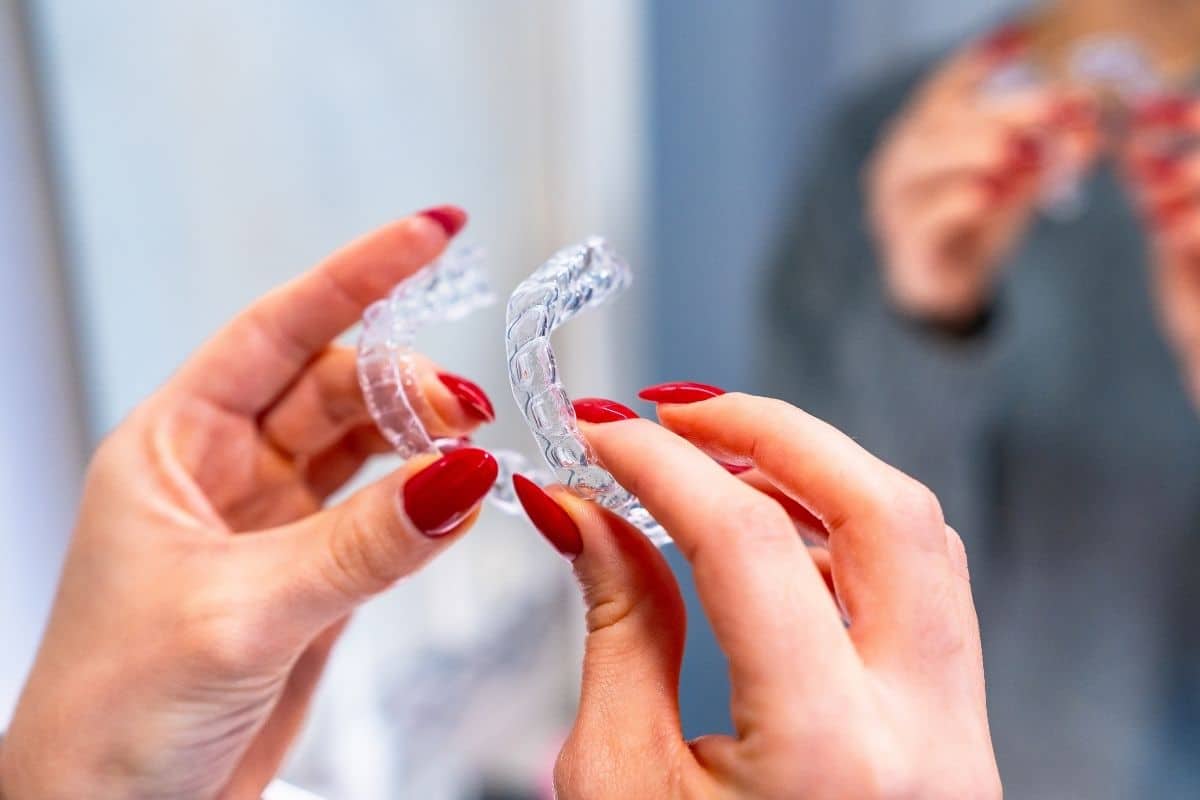
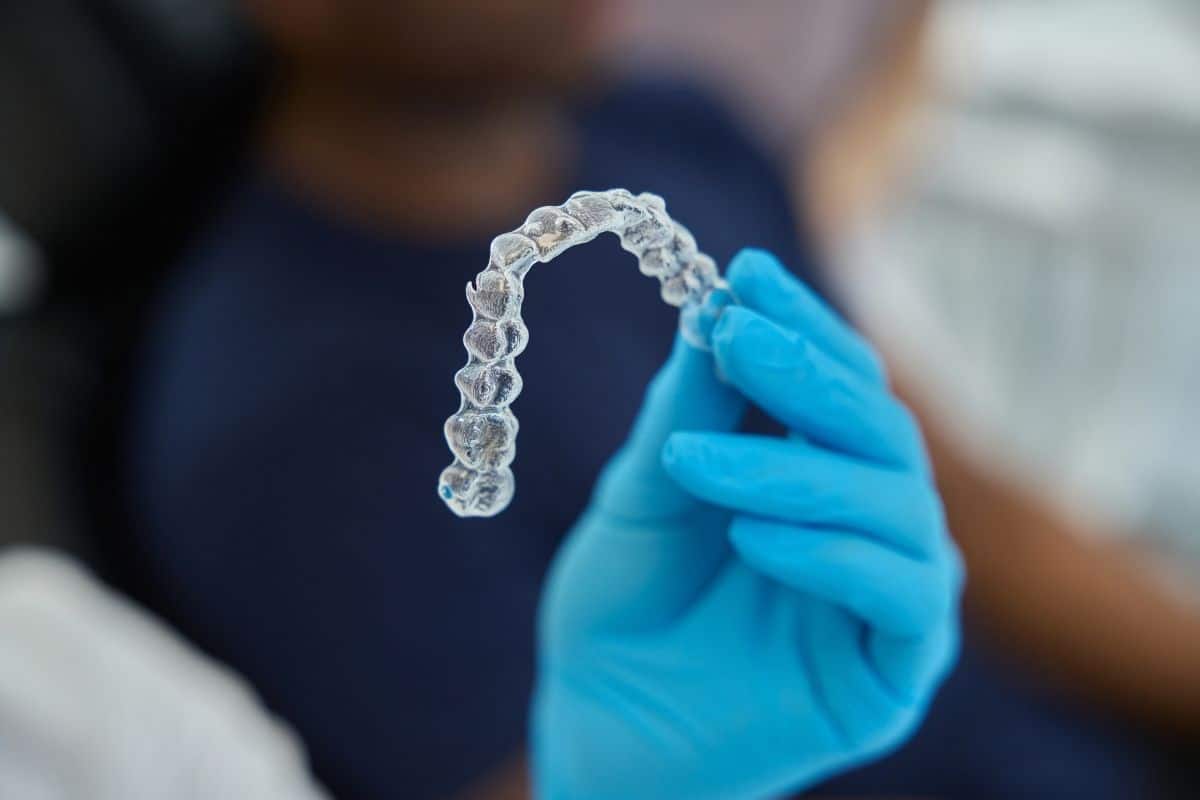
Clear aligners, like Invisalign, are a popular choice for older kids and teenagers. They use a series of custom-made, clear plastic trays to shift the teeth gradually.
Advantages:
- Aesthetics: Clear aligners are virtually invisible, making them a popular choice among teens who prefer the best teeth aligners for kids.
- Removability: They can be removed for eating, brushing, and flossing, which makes oral hygiene easier.
Disadvantages:
- Discipline Required: The success of clear aligners depends on the wearer’s discipline to keep them on for the recommended 20-22 hours per day.
- Complex Cases: They may not be suitable for very complex orthodontic issues.
Clear aligners are becoming a favorite for kids and teens looking for an alternative to traditional braces. However, it is important to assess whether they are the right choice for your child’s specific needs.
Choosing the Right Braces for Your Child
Selecting the best type of braces for your child involves considering several factors:
1. Age and Growth
Younger children might benefit more from traditional or ceramic braces, while older children and teens may prefer the aesthetics of clear aligners. The choice can depend on the child’s age, growth patterns, and the complexity of the orthodontic issues.
2. Personal Preferences
Consider your child’s personal preferences and comfort. Some kids may be more concerned about the visibility of their braces, while others might prioritize effectiveness. For example, Hello Kitty braces or Hello Kitty braces are fun options for younger kids, making their braces experience more enjoyable.
3. Lifestyle and Activities
If your child is very active in sports or other physical activities, metal or ceramic braces might be a better choice due to their durability. Braces on kids can be safely worn during most activities with the proper precautions. Clear aligners can also be a good option for those who need the ability to remove their braces during certain activities.
4. Budget
The cost of braces can vary significantly based on the type chosen. Traditional metal braces are generally the most affordable, while clear aligners and lingual braces tend to be more expensive.
For those looking for cheap braces for kids, traditional metal braces or ceramic braces might be the more budget-friendly options.
Finding the Right Orthodontist
Choosing the right orthodontist is crucial for your child’s treatment. An experienced orthodontist will help determine the most suitable type of braces and ensure the treatment progresses smoothly.
What to Look For in an Orthodontist
- Qualifications and Experience: Ensure the orthodontist is board-certified and has extensive experience with the type of braces you’re considering.
- Office Environment: The orthodontist’s office should be welcoming and comfortable for children.
- Patient Reviews: Check reviews and testimonials from other parents and patients.
Local Considerations
If you are looking for orthodontic care specifically in the Cumming area, finding a reputable provider like Braces in Cumming can be a great start. Local orthodontists will be familiar with the needs of your community and can offer personalized care.
Conclusion
Choosing the best type of braces for your child involves evaluating various options, considering their preferences, and consulting with a qualified orthodontist. Whether you opt for traditional metal braces, ceramic braces, lingual braces, or clear aligners, each type has its own set of advantages and considerations. Braces for kids come in many forms, and what works for one child might not work for another. For residents in Cumming, Braces in Cumming offers a range of orthodontic solutions tailored to meet your child’s needs and ensure a successful treatment outcome.
When deciding on the best braces for boys or any other specific group, keep in mind that the final choice will depend on comfort, aesthetics, and the child’s lifestyle. Make the best choice for your child’s dental health and smile!