
(678) 578-5384


Every parent wants their child to have a healthy, cavity-free smile. However, some children seem to develop cavities no matter how well they brush and floss. Understanding why this happens can help parents take the right steps to protect their child’s teeth and ensure long-term oral health. Several factors contribute to cavity risk, including genetics, diet, oral hygiene habits, and even saliva composition.
The Role of Genetics in Dental Health
Genetics play a significant role in determining a child’s susceptibility to cavities. Some children inherit softer enamel, which makes their teeth more vulnerable to decay. Enamel is the protective outer layer of teeth, and when it is weaker, bacteria can penetrate more easily, leading to cavities. Additionally, genetic factors can influence the shape and alignment of teeth. Crowded or misaligned teeth can create hard-to-reach areas where plaque builds up, increasing the risk of cavities even in children with good brushing habits.
The Impact of Diet on Tooth Decay
A child’s diet has a direct effect on their oral health. Frequent consumption of sugary foods and drinks creates an environment where bacteria thrive. Acidic foods and beverages, such as fruit juices and sodas, can weaken enamel over time, making teeth more susceptible to decay. Even seemingly healthy snacks, like dried fruits, can stick to teeth and feed harmful bacteria. Encouraging a balanced diet with fresh fruits, vegetables, dairy products, and water can help strengthen teeth and reduce cavity risk.
Oral Hygiene Habits and Their Effect on Cavity Risk
While genetics and diet play a role, oral hygiene habits are one of the biggest factors in cavity prevention. Children who do not brush and floss properly allow plaque to build up, leading to tooth decay. Younger kids often need help brushing to ensure they reach all surfaces of their teeth. Using fluoride toothpaste strengthens enamel and helps protect against cavities. Regular dental checkups are also essential in catching early signs of decay before they become serious problems.
The Influence of Saliva on Cavity Development
Saliva plays an important role in keeping teeth healthy by washing away food particles and neutralizing acids. However, some children naturally produce less saliva, leading to a dry mouth that allows bacteria to flourish. Certain medical conditions and medications can also reduce saliva flow, increasing cavity risk. Staying hydrated and encouraging children to drink plenty of water can help maintain a healthy saliva balance.
How Early Dental Visits Help Prevent Cavities
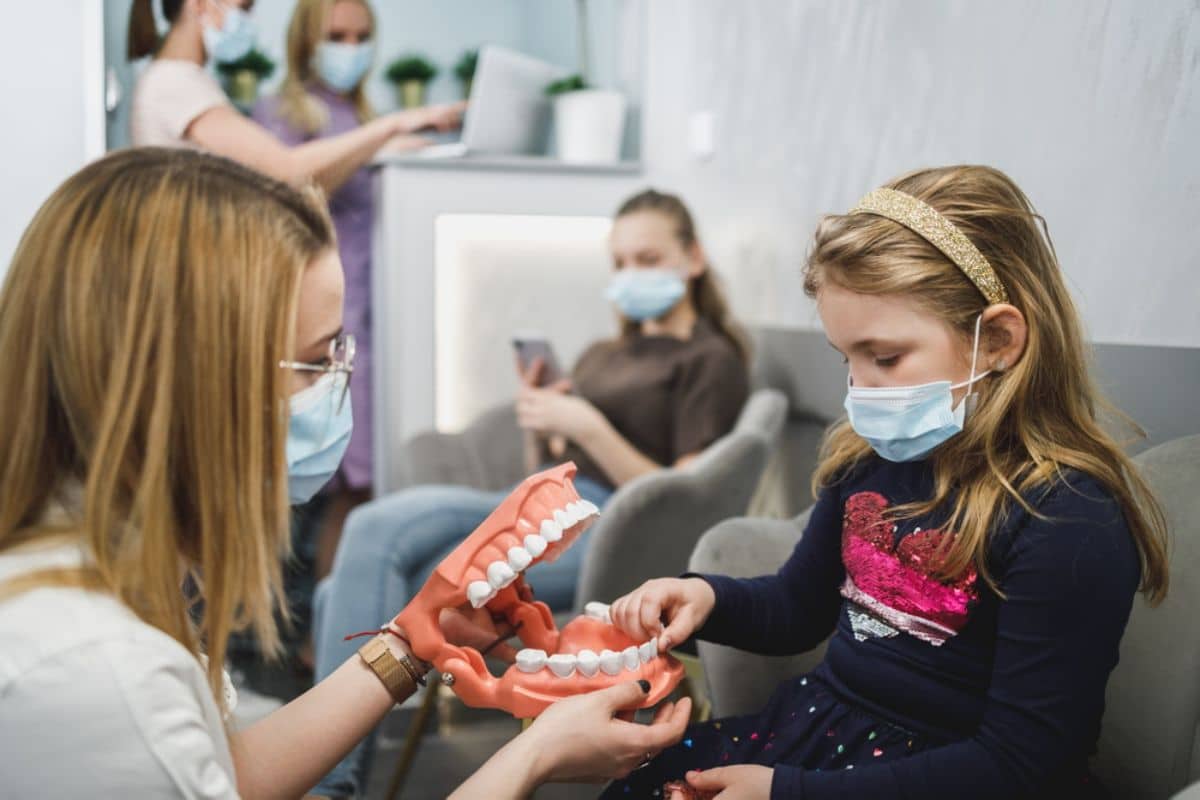
Regular visits to a pediatric dentist in Cumming, GA can make a significant difference in preventing cavities. Dentists can identify risk factors, provide fluoride treatments, and apply dental sealants to protect teeth from decay. Sealants are a simple and effective way to shield the grooves of molars from bacteria and food buildup. Establishing a positive relationship with a dentist at an early age also helps children develop good oral care habits that last a lifetime.
Encouraging Lifelong Healthy Habits
Preventing cavities requires a combination of factors, including genetics, diet, oral hygiene, and regular dental care. Parents can help by teaching their children proper brushing techniques, choosing tooth-friendly snacks, and ensuring they visit the dentist regularly. Every child’s dental needs are unique, so working with an experienced pediatric dentist ensures they get the best possible care.
At Cumming Pediatric Dentistry & Orthodontics, we are dedicated to helping children maintain strong, healthy smiles. By understanding the factors that contribute to cavities, parents can take proactive steps to protect their child’s teeth and create a foundation for lifelong oral health.