
(678) 578-5384


Orthodontic Problems to Watch For in Children
Orthodontic issues in children are more common than many parents might think. Identifying these problems early can make a significant difference in your child’s oral health and overall well-being. Understanding what to watch for and knowing when to seek help from an orthodontist can set your child up for a lifetime of healthy smiles. Here’s a guide to help you recognize and address potential orthodontic problems in your child.
Early Signs of Orthodontic Problems
Orthodontic issues can manifest in various ways. Early detection is crucial, so be vigilant for these signs:
1. Crowded or Crooked Teeth
One of the most common signs of orthodontic problems is overcrowded or crooked teeth. If your child’s teeth appear misaligned or if there’s not enough space for their permanent teeth to come in properly, it could be a sign of a developing orthodontic issue.
2. Biting or Chewing Difficulties
Difficulty in biting or chewing food can indicate that your child’s bite is misaligned. If you notice your child struggling to chew or if they frequently complain of discomfort while eating, it may be time to consult an orthodontist.
3. Speech Impediments
Problems with speech, such as lisping or difficulty pronouncing certain sounds, can sometimes be related to dental issues. Misaligned teeth or a poor bite can affect how your child articulates words.
Common Orthodontic Issues in Children
Several common orthodontic problems can arise during childhood. Being aware of these issues can help you seek appropriate orthodontist services sooner.
1. Overbite and Underbite
An overbite occurs when the upper front teeth significantly overlap the lower front teeth. Conversely, an underbite happens when the lower teeth protrude beyond the upper front teeth. Both conditions can affect chewing and speech and may require orthodontic treatment.
2. Crossbite
A crossbite happens when some of the upper teeth sit inside the lower teeth, which can lead to uneven wear and potential jaw problems. Early correction is often necessary to avoid complications.
3. Open Bite
An open bite occurs when the front teeth do not meet when the back teeth are together, often caused by thumb sucking or other habits. This can impact eating and speaking and may require orthodontic intervention.
The Role of an Orthodontist
An orthodontist specializes in diagnosing and treating issues related to teeth and jaw alignment. Regular visits to an orthodontist are crucial for identifying and addressing potential problems early.
1. Initial Consultation
During the initial consultation, the orthodontist will conduct a comprehensive examination, including X-rays and impressions, to assess your child’s dental health. They will discuss any detected issues and recommend appropriate treatments.
2. Customized Treatment Plans
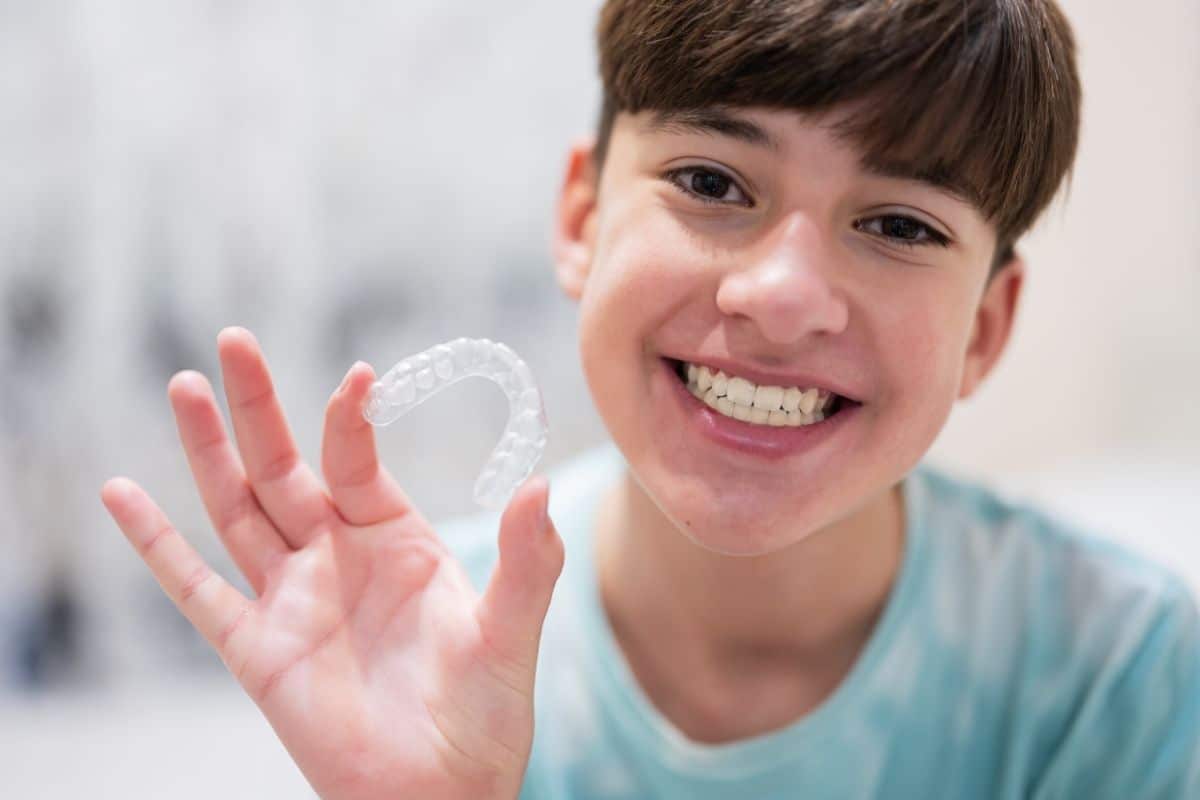
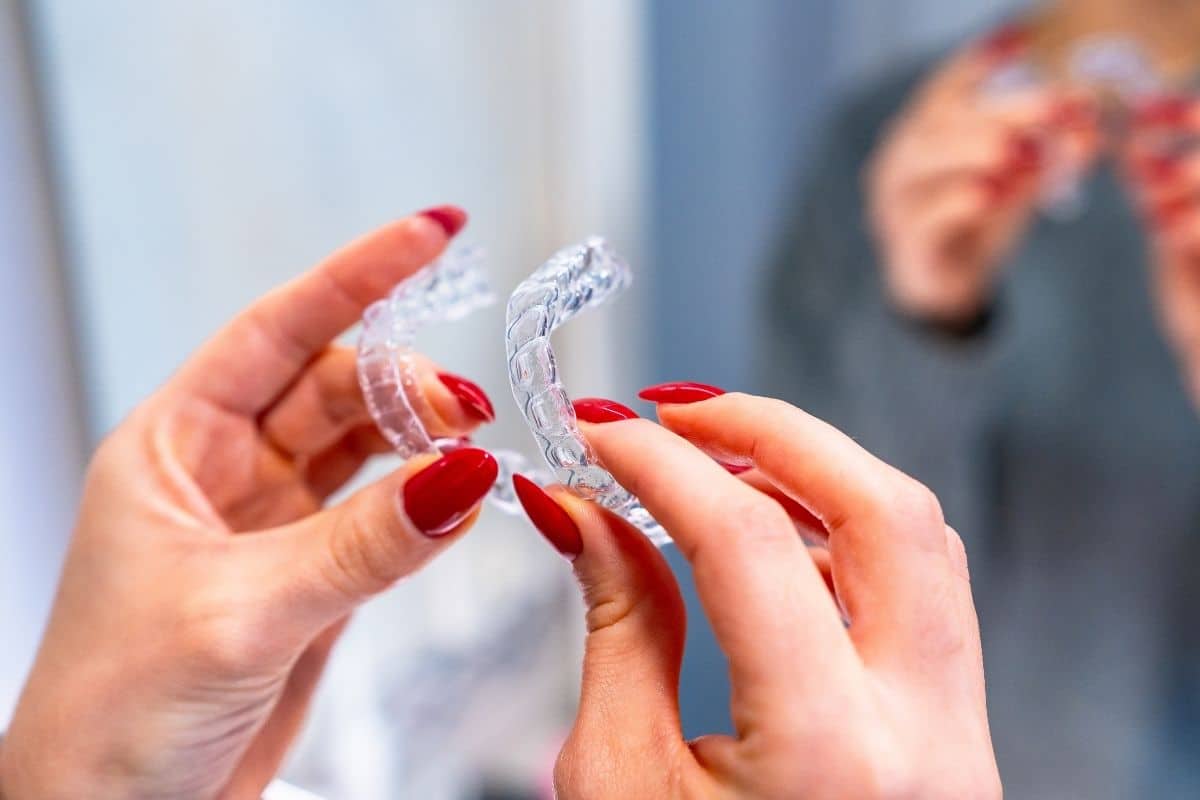
Based on the assessment, the orthodontist will create a customized treatment plan. This plan may include braces, clear aligners like Invisalign, or other orthodontic appliances to correct misalignments and improve oral function.
3. Ongoing Monitoring and Adjustments
Orthodontic treatment is not a one-time process. Regular visits are necessary for monitoring progress and making any necessary adjustments to the braces or aligners. This ensures that the treatment is progressing as planned and helps address any emerging issues promptly.
When to Seek Orthodontic Services
It’s generally recommended to schedule an orthodontic evaluation by age 7, as early intervention can prevent more serious problems later on. However, if you notice any signs of orthodontic issues earlier, such as those mentioned above, it’s wise to consult an orthodontist sooner.
Choosing the Right Orthodontist
Selecting the right orthodontist is crucial for effective treatment. Look for an orthodontist with a good reputation and extensive experience in treating children.
1. Check Qualifications and Experience
Ensure that the orthodontist is properly qualified and has a proven track record in orthodontic treatments. Reading reviews and asking for recommendations can provide valuable insights.
2. Consider the Range of Services
Different orthodontists offer varying services. For instance, some might specialize in traditional braces, while others may offer advanced options like Invisalign. Choose an orthodontist who provides the services that best fit your child’s needs.
3. Evaluate Comfort and Communication
Comfort and communication are important factors. Your child should feel comfortable with the orthodontist, and the orthodontist should be able to explain treatment options and progress clearly and effectively.
Keeping an eye out for orthodontic problems in children can help ensure that any issues are addressed promptly, leading to healthier teeth and a more confident smile. Regular check-ups with an orthodontist, such as those provided by an orthodontist in Cumming, are essential in maintaining your child’s oral health and addressing any concerns early on.
If you notice any signs of orthodontic issues or if it’s time for your child’s regular evaluation, don’t hesitate to seek orthodontist services. Effective orthodontic treatment can make a significant difference in your child’s quality of life, leading to a healthy and beautiful smile for years to come. For personalized care and effective orthodontic treatment in Cumming, consult with a trusted orthodontist today.