
(678) 578-5384

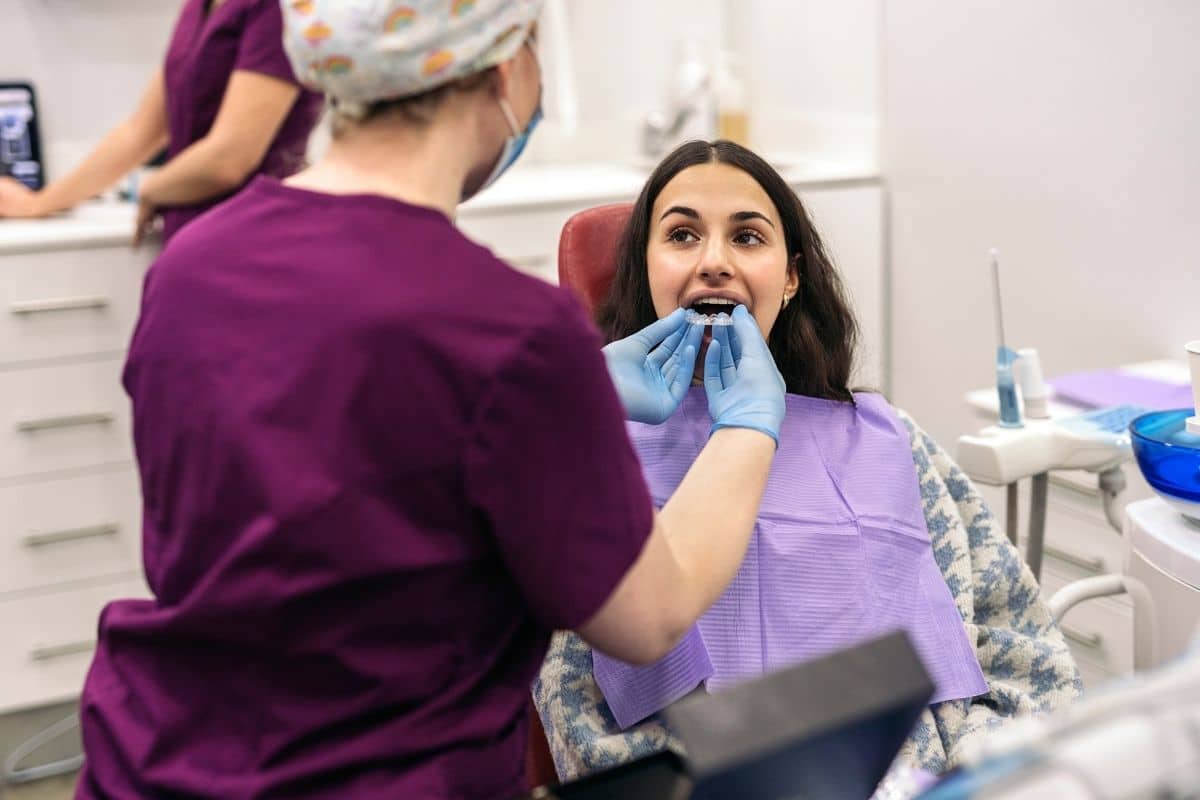
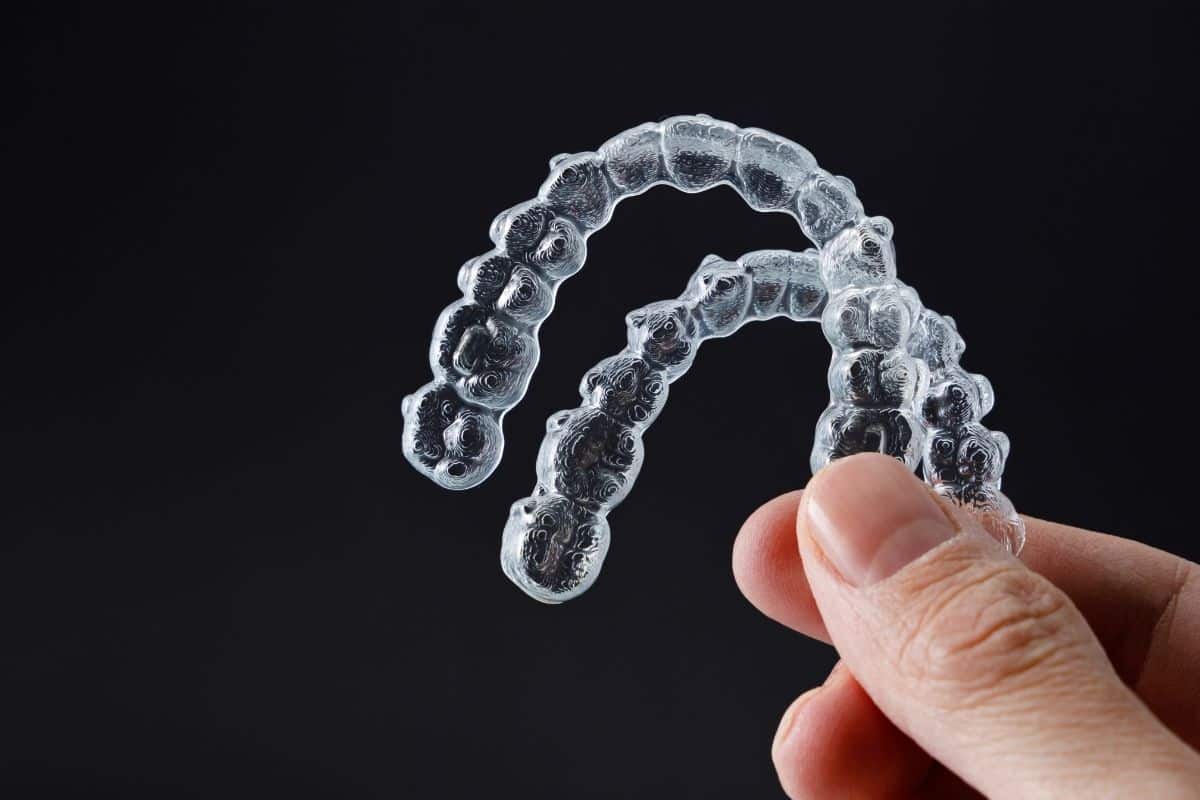
If you have crooked teeth or spacing concerns, you’ve likely looked into modern orthodontic options in Cumming and nearby areas like Johns Creek or Alpharetta. One of the most popular choices today is invisible braces, known for their discreet look and convenience. But many patients ask the same question before starting: Which Invisalign trays hurt the most?
The honest answer is that some discomfort is normal, but it’s temporary and manageable. Understanding when and why soreness happens can help you feel more confident and prepared throughout your smile journey.
Understanding How Aligners Move Your Teeth
Clear aligners work by applying gentle, controlled pressure to your teeth. Each set of trays is slightly different, guiding your teeth step-by-step into better alignment.
This process relies on gradual tooth movement, a biological response where bone and tissue adapt to new positioning. While the pressure is mild, it can create short-term sensitivity, especially when switching to a new tray.
When Discomfort Is Most Noticeable
Not all stages of treatment feel the same. Some moments stand out more than others when it comes to soreness.
The First Few Days Feel the Most Intense
The very first aligner tends to be the most noticeable. Your mouth is adjusting to something new, and your teeth are just beginning to shift. Patients often describe this as a feeling of tightness or pressure rather than sharp pain.
This early phase is typically the peak of discomfort, especially during the first 24–72 hours.
Switching to a New Set of Trays
Each time you move to a new aligner, you may feel sore again. This is because the new tray is designed to continue shifting your teeth.
The good news? This discomfort usually fades faster with each new set as your mouth adapts to the process.
Certain Tooth Movements Can Feel Stronger
Some adjustments, like rotating teeth or moving molars, can create more pressure than simple spacing corrections. These moments may feel slightly more intense, but they are still temporary and part of normal progress.
How Long Does the Soreness Last?
For most patients, discomfort lasts just a few days after starting a new tray. By day three or four, your teeth typically adjust, and the soreness fades significantly.
This short adjustment period is a sign that your treatment is working as planned. Over time, many patients notice that each new tray feels easier than the last.
What Type of Sensations Are Normal?
It’s helpful to know what’s expected versus what might need attention. Common sensations include:
- Mild tooth tenderness when biting or chewing
- A feeling of pressure or tightness
- Slight gum or cheek irritation from tray edges
- Temporary changes in speech
These symptoms are usually mild and improve quickly as your mouth adapts.
Tips to Stay Comfortable Throughout Treatment
While discomfort is normal, there are simple ways to make the process easier.
Start New Trays Before Bed
Switching aligners at night allows your teeth to adjust while you sleep, minimizing how much you notice the initial pressure.
Stick to Softer Foods Initially
During the first couple of days, choose foods that are easy to chew. This reduces stress on sensitive teeth.
Stay Consistent With Wear Time
Wearing your aligners for the recommended 20–22 hours per day helps prevent additional soreness. Inconsistent use can actually make new trays feel tighter.
Use Cold Compresses for Relief
A cold compress on the outside of your cheek can help reduce inflammation and ease discomfort.
Ask About Safe Pain Relief Options
Over-the-counter medications may help, but always follow professional guidance. For general oral health recommendations, you can also visit the American Dental Association.
Comparing Aligners to Traditional Braces
Many patients are pleasantly surprised to learn that clear aligners are generally more comfortable than metal braces.
Without brackets or wires, there’s less irritation to the cheeks and gums. While both treatments involve orthodontic pressure, aligners offer a smoother and more flexible experience overall.
What Patients Should Know Locally
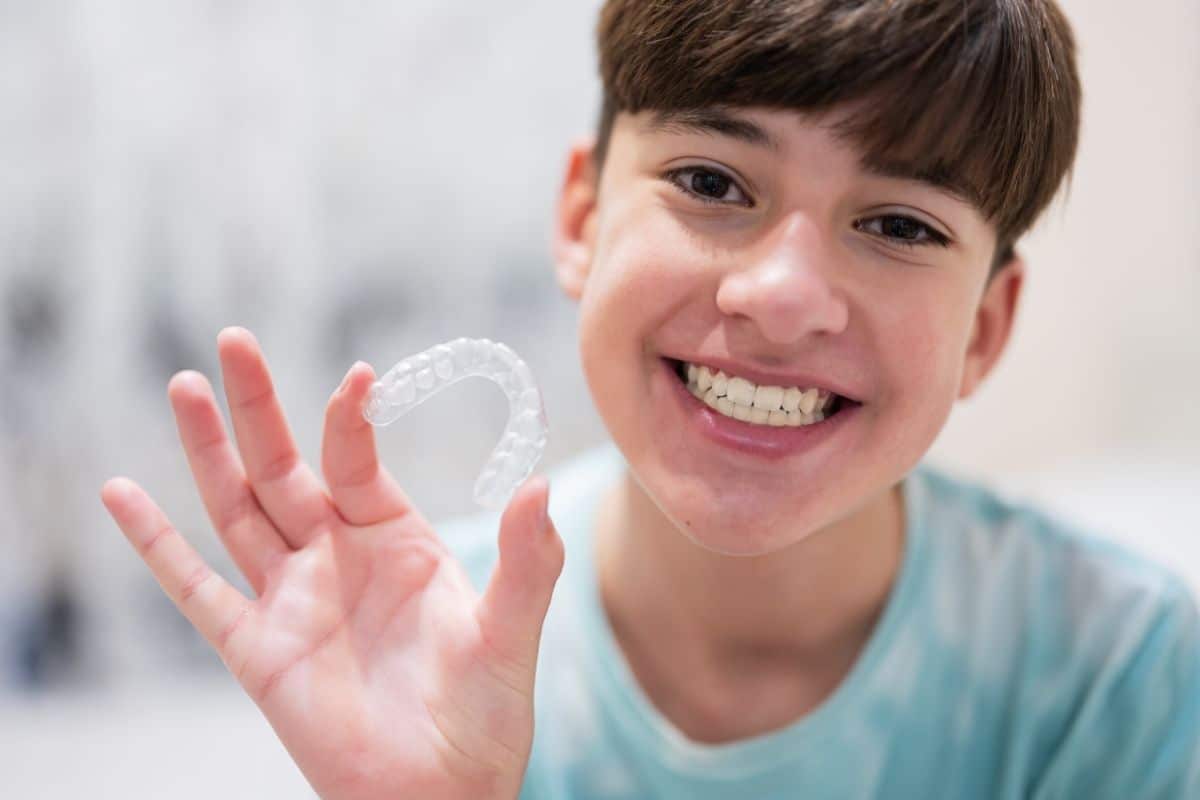
For families exploring orthodontic care, choosing Invisalign in cumming means access to modern, patient-friendly treatment designed to fit busy lifestyles. Whether you’re a teen balancing school activities or an adult with professional commitments, clear aligners offer convenience without drawing attention.
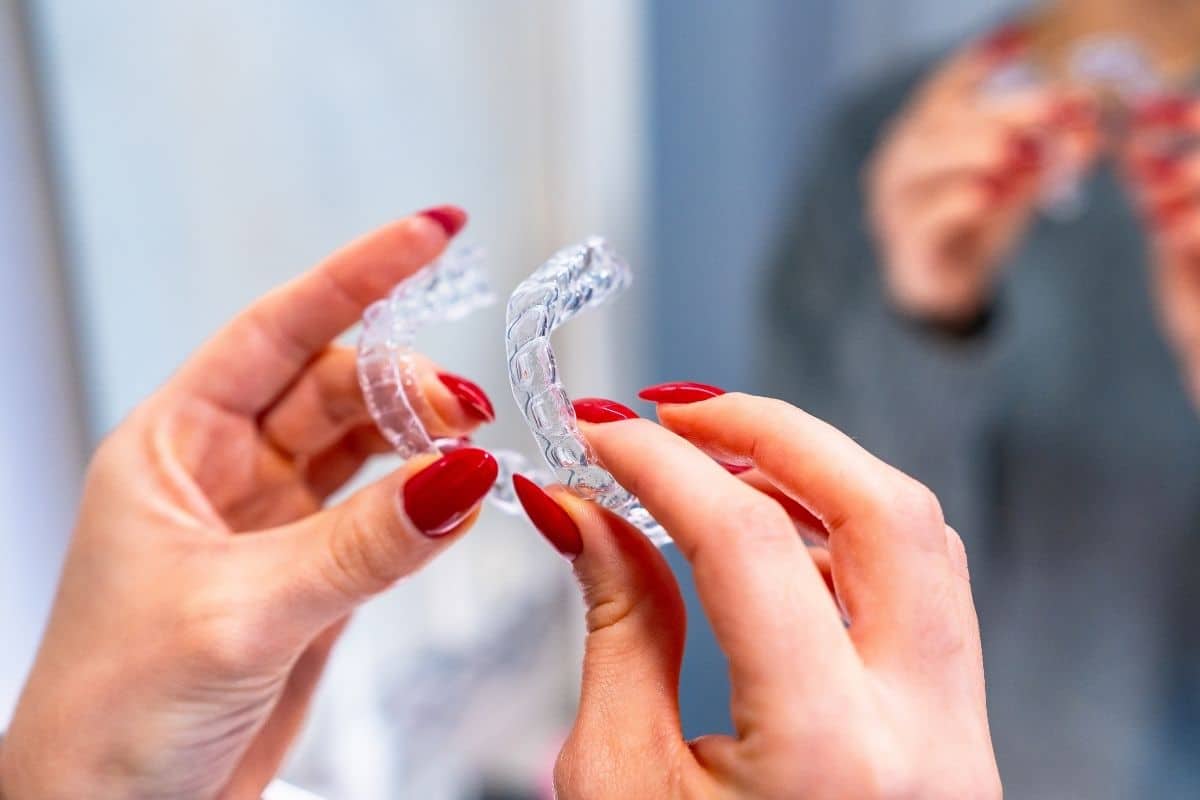
Patients from surrounding communities often appreciate the ability to remove trays for meals, photos, and important events, making treatment easier to manage day to day.
When to Contact Your Dentist
While mild discomfort is expected, certain symptoms should be checked:
- Sharp or persistent pain that doesn’t improve
- Ill-fitting trays that won’t stay in place
- Significant gum irritation or sores
Regular check-ins ensure your treatment stays on track and comfortable.
Conclusion
So, which Invisalign trays hurt the most? For most patients, the first set and the first couple of days with each new tray bring the most noticeable discomfort. The good news is that this phase is short-lived and becomes easier over time.
With the right expectations and a few simple comfort strategies, your orthodontic journey can be smooth and predictable. If you’re considering clear aligners or have questions about treatment, reach out to Cumming Pediatric Dentistry & Orthodontics to learn more and take the next step toward a healthier, more confident smile.