
(678) 578-5384


Orthodontic issues can affect both the function and aesthetics of your teeth and smile. From crowded teeth to overbites, these problems can be corrected through modern orthodontic treatments. Understanding these common issues and how they are treated is key to knowing what to expect when seeking orthodontic care.
What Are Common Orthodontic Issues?
Orthodontic problems, often referred to as malocclusions or “bad bites,” can result from genetics, injury, or habits such as thumb-sucking. Let’s explore some of the most common orthodontic issues people face.
1. Crowded Teeth
Crowded teeth occur when there is not enough space in the mouth for all the teeth to fit properly. This issue can cause overlapping, twisting, or bunching of teeth, making them difficult to clean and leading to problems like tooth decay or gum disease.
2. Spacing Issues
On the opposite end of the spectrum, some people experience spacing issues, where there is too much space between the teeth. This can be caused by missing teeth, abnormal jaw size, or natural tooth development. Gaps between teeth can affect the appearance of a smile and contribute to difficulties in biting and chewing.
3. Overbite
An overbite occurs when the upper front teeth overlap the lower front teeth excessively. This can sometimes cause the lower teeth to touch the roof of the mouth, leading to discomfort or wear on the teeth.
4. Underbite
An underbite happens when the lower teeth protrude in front of the upper teeth. This can create issues with chewing, speaking, and jaw function, often leading to jaw pain over time.
5. Crossbite
A crossbite occurs when the upper teeth fit inside the lower teeth when the mouth is closed. This misalignment can lead to uneven wear on the teeth, jaw pain, and even TMJ (temporomandibular joint) disorders.
6. Open Bite
An open bite happens when the front upper and lower teeth do not meet when the mouth is closed, leaving a gap between the teeth. This condition can cause difficulties with biting into food and speech issues like lisping.
7. Misaligned Jaw
Misaligned jaws, often due to developmental issues or trauma, can affect the symmetry of the face and create functional problems with chewing, speaking, and breathing.
How Are Orthodontic Issues Fixed?
The good news is that most orthodontic issues can be corrected through treatments tailored to each patient’s needs. Orthodontists have several tools and techniques to address these problems, ensuring improved oral health and a more confident smile.
1. Traditional Metal Braces
One of the most common treatments for orthodontic problems is traditional metal braces. These braces use metal brackets, wires, and elastic bands to gradually shift teeth into the desired position. Metal braces are effective for treating complex orthodontic issues like crowded teeth, overbites, underbites, and crossbites.
How They Work:
The metal brackets are attached to each tooth and connected with a wire, which the orthodontist adjusts over time. This constant pressure moves the teeth into their correct alignment.
2. Clear Aligners
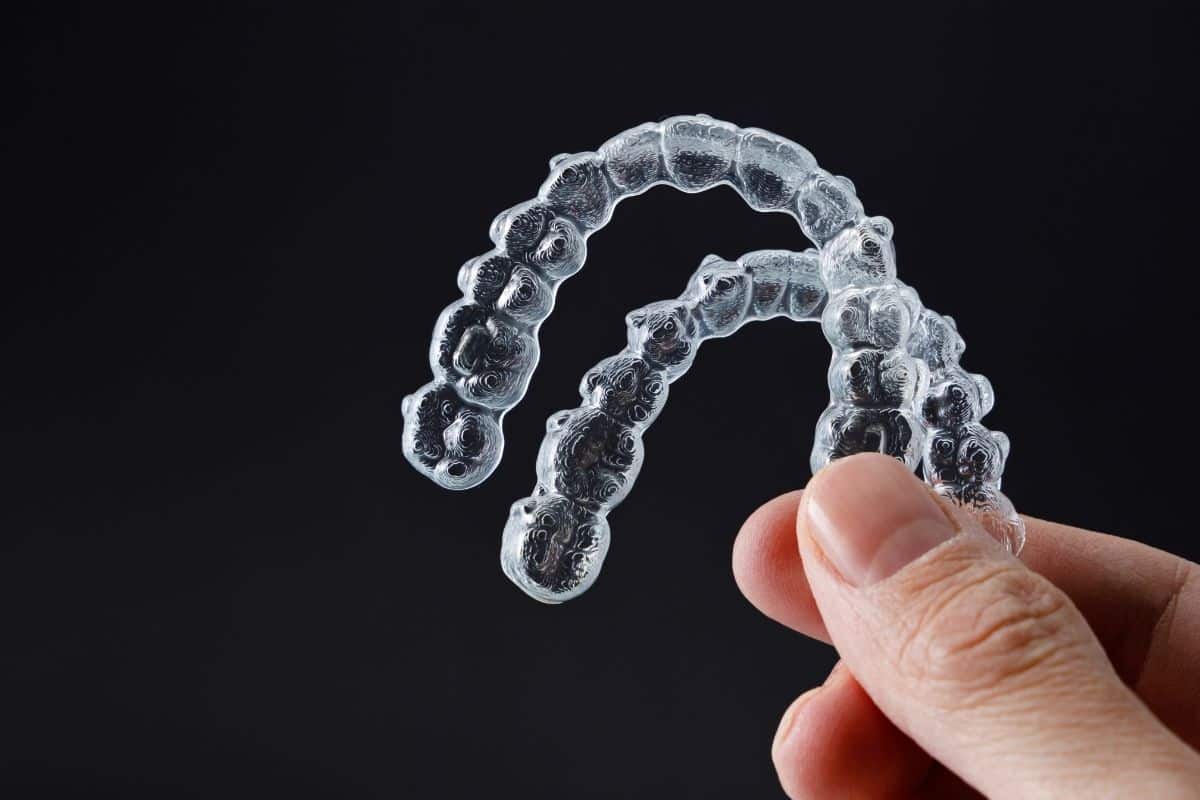
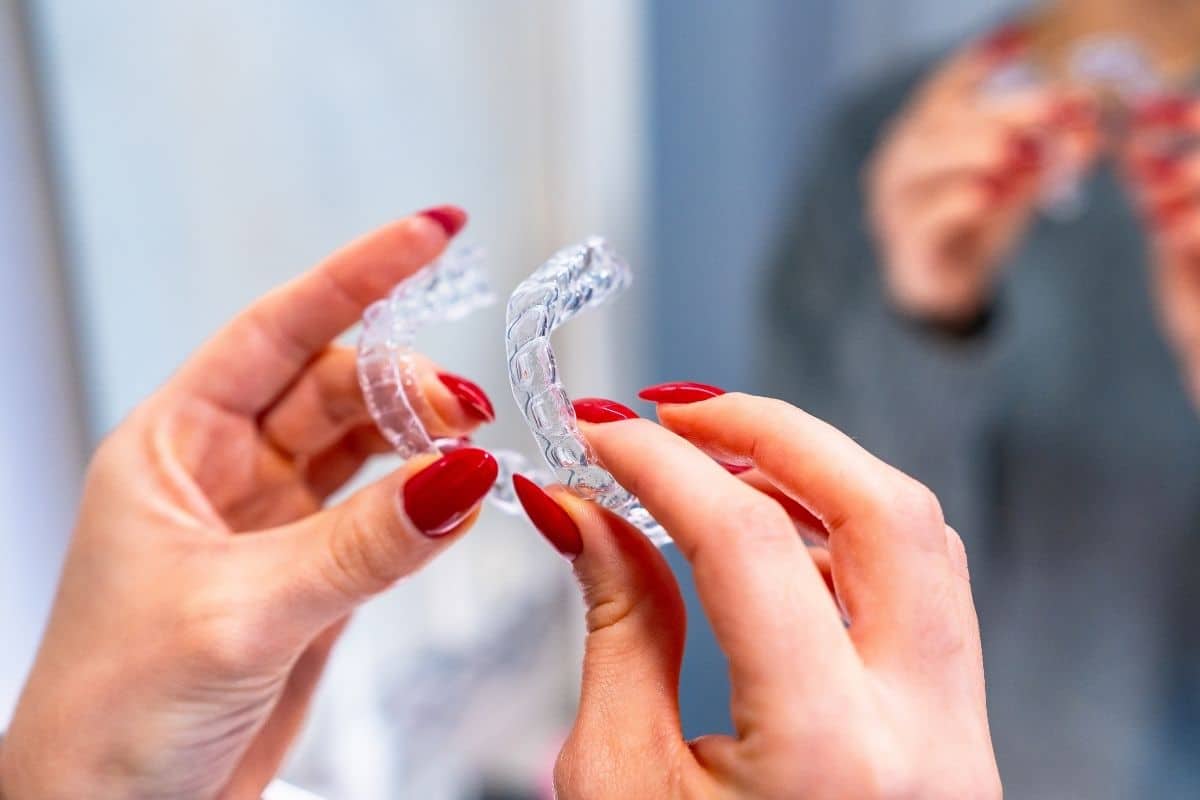
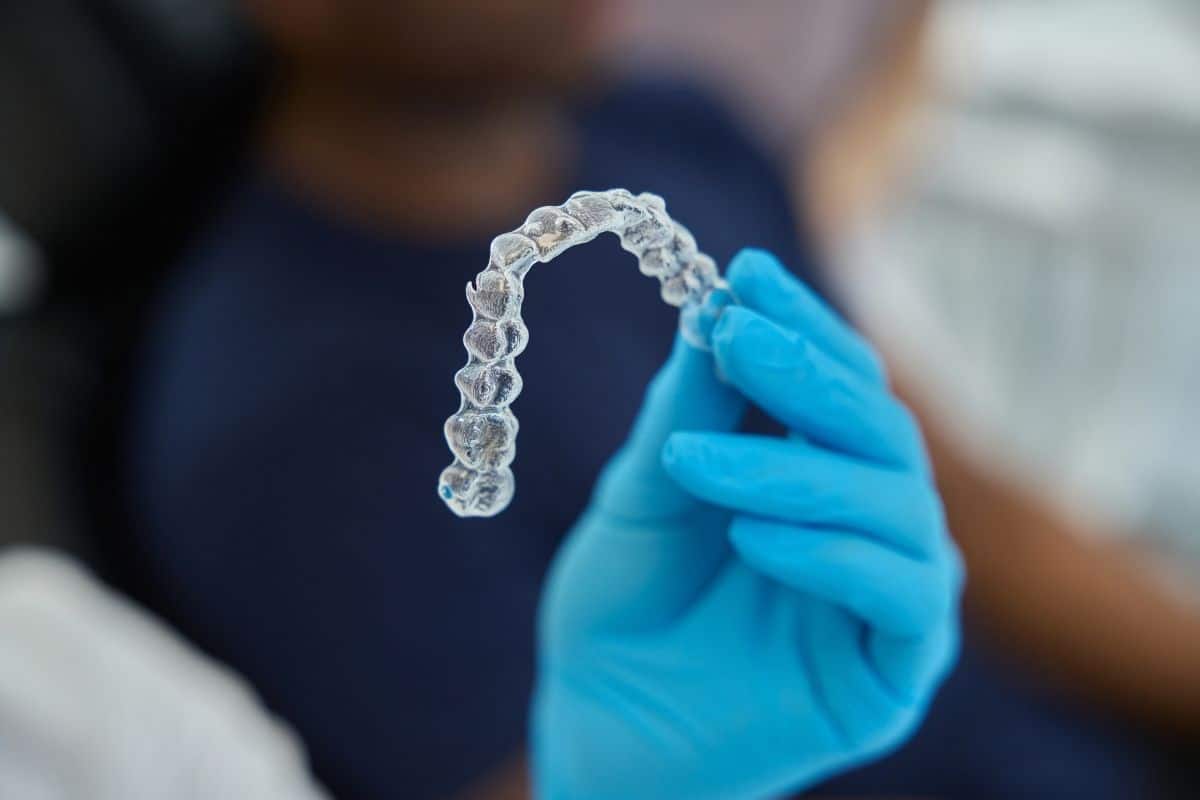
Clear aligners, such as Invisalign, have become increasingly popular for fixing various orthodontic problems, especially among adults and teens who want a less noticeable option. These custom-made, transparent trays are removable and gradually shift the teeth into place.
How They Work:
Patients wear a series of clear aligners, changing them every one to two weeks as the teeth move. Clear aligners are ideal for treating mild to moderate orthodontic issues, including crowded teeth, spacing issues, and some bite problems.
3. Ceramic Braces
Ceramic braces function similarly to metal braces but are less noticeable because the brackets are made from clear or tooth-colored materials. This option is often chosen by patients who want the benefits of braces but with a more aesthetic appearance.
How They Work:
Like metal braces, ceramic braces use brackets and wires to move the teeth. However, because they are less visible, they are a popular option for teens and adults.
4. Lingual Braces
Lingual braces are similar to traditional metal braces, but instead of being placed on the front of the teeth, the brackets and wires are attached to the back of the teeth. This makes them invisible from the front and a discreet option for orthodontic treatment.
How They Work:
Lingual braces work similarly to traditional braces by applying pressure to shift the teeth. However, because they are placed behind the teeth, they can be more challenging to clean and maintain.
5. Retainers
Retainers are used after braces or clear aligners to maintain the new position of the teeth. Orthodontic treatment doesn’t end once the braces come off. Wearing a retainer ensures that teeth don’t shift back to their original position.
How They Work:
Retainers can be either removable or fixed and are typically worn overnight. They help to keep the teeth in their new alignment after active orthodontic treatment has concluded.
6. Palatal Expanders
For children or teenagers whose jaws are still developing, palatal expanders can be used to widen the upper jaw and create more space for teeth to come in correctly. These are particularly helpful in treating crossbites or crowding issues.
How They Work:
Palatal expanders are attached to the upper teeth and gently widen the jaw over time. The orthodontist adjusts the expander regularly until the desired width is achieved.
Importance of Early Orthodontic Intervention
In many cases, early orthodontic intervention can help prevent more serious problems later in life. The American Association of Orthodontists recommends that children have their first orthodontic evaluation by age seven. Early detection of orthodontic issues allows for proactive treatment, which can minimize the need for more extensive procedures in the future.
Conclusion
Orthodontic issues like crowded teeth, overbites, and misaligned jaws are common, but they don’t have to be permanent problems. Thanks to advancements in orthodontic technology, there are a variety of treatments available to correct these issues and give patients a healthy, beautiful smile. Whether you choose traditional braces, clear aligners, or another method, seeking treatment from an orthodontist in Cumming can improve both your oral health and your confidence. Don’t hesitate to consult with a professional to explore your options and find the best solution for your orthodontic needs!