
(678) 578-5384


An open bite is a relatively common dental issue that affects not only the appearance of your smile but also your overall oral function. It can make chewing difficult, cause speech problems, and lead to issues with the temporomandibular joint (TMJ). Understanding what an open bite is and how it can be treated is essential, especially if you are considering orthodontic treatment. In this blog, we’ll explore the nature of an open bite, its causes, and the best ways to correct it.
What Is an Open Bite?
An open bite is a type of malocclusion, which means the teeth are misaligned. In a typical bite, the upper and lower teeth should touch when you close your mouth. However, in an open bite, there is a noticeable gap between the upper and lower teeth when the mouth is closed. This gap can occur in the front of the mouth (anterior open bite) or the back (posterior open bite), depending on which teeth are affected.
An open bite can occur in both children and adults and can vary in severity. It can be caused by various factors, which we will explore in more detail below.
Types of Open Bites
There are two main types of open bites, each with distinct characteristics:
1. Anterior Open Bite
This is the most common form of open bite. In this type, the front teeth (incisors) do not touch when the mouth is closed, leaving a gap. It often leads to issues with chewing and speaking.
2. Posterior Open Bite
In this case, the back teeth (molars and premolars) do not touch, creating a gap in the back of the mouth. This can make chewing food properly a challenge.
Causes of an Open Bite
Several factors can contribute to the development of an open bite. Some are behavioral, while others are genetic or developmental. Understanding the cause is crucial in determining the best orthodontic treatment plan.
1. Thumb Sucking or Pacifier Use
One of the most common causes of an open bite in children is prolonged thumb sucking or the use of a pacifier. These habits can push the teeth out of alignment, especially if they continue past the toddler years.
2. Tongue Thrusting
Tongue thrusting is a habit where the tongue pushes against the front teeth when swallowing or speaking. Over time, this pressure can cause the teeth to shift forward, resulting in an anterior open bite.
3. Genetics
Sometimes, an open bite is the result of genetics. If parents or other family members have an open bite, there’s a chance that their children may also develop the condition.
4. Jaw Structure Issues
In some cases, the jawbones may develop in such a way that they don’t align properly, leading to an open bite. This structural problem can be due to genetics or other factors during growth and development.
How an Open Bite Can Affect You
Living with an open bite can impact more than just the aesthetics of your smile. Here are some common issues that may arise if an open bite is left untreated:
1. Difficulty Chewing
An open bite can make it hard to properly chew food. This can lead to digestive issues if food is not broken down adequately before swallowing.
2. Speech Problems
The gap between the teeth can also affect speech. People with open bites often have difficulty pronouncing certain sounds, such as “s” or “th,” and may develop a lisp.
3. TMJ Issues
The temporomandibular joint (TMJ) is the joint that connects your jaw to your skull. An open bite can place undue stress on this joint, leading to TMJ disorders, which can cause pain, headaches, and difficulty moving the jaw.
Treatment Options for an Open Bite
Fortunately, there are several ways to correct an open bite through orthodontics. The type of treatment depends on the severity of the condition and the patient’s age.
1. Braces
Traditional braces are one of the most effective ways to treat an open bite. Braces use metal brackets and wires to gradually move the teeth into their proper positions. In the case of an open bite, braces can help close the gap between the upper and lower teeth by applying consistent pressure.
2. Clear Aligners
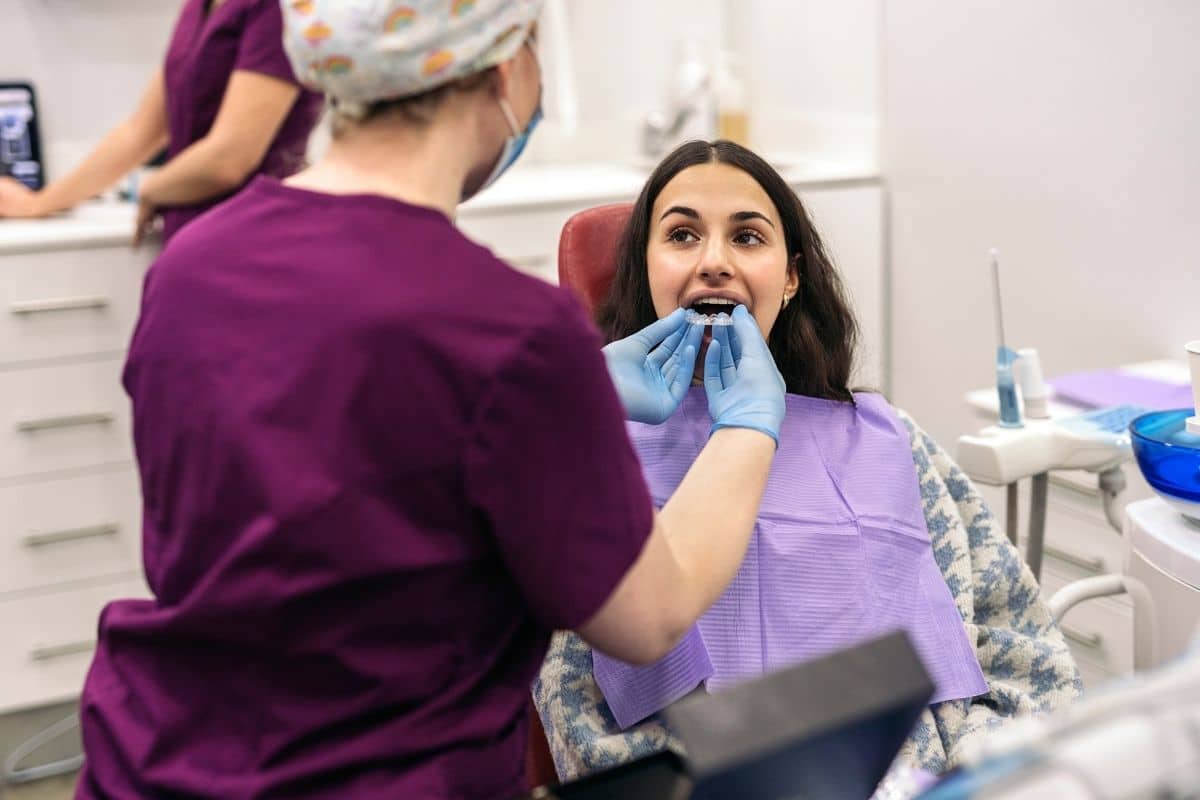
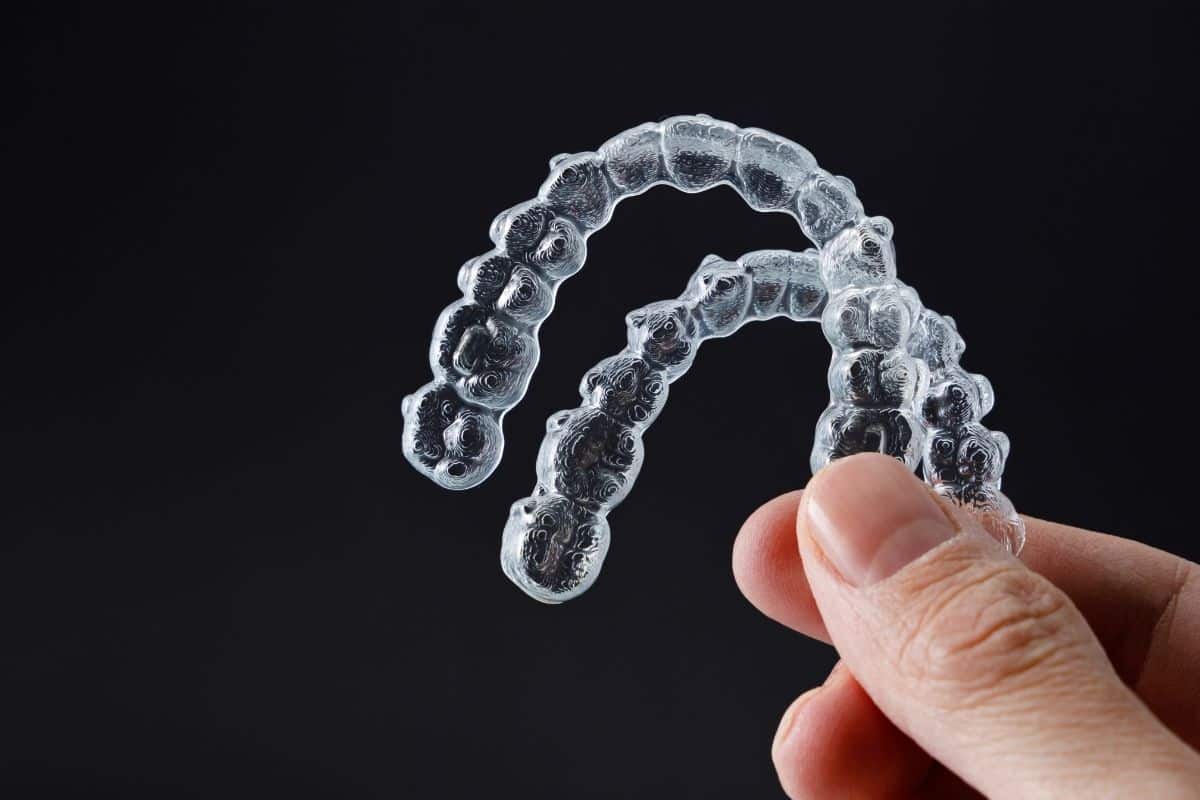
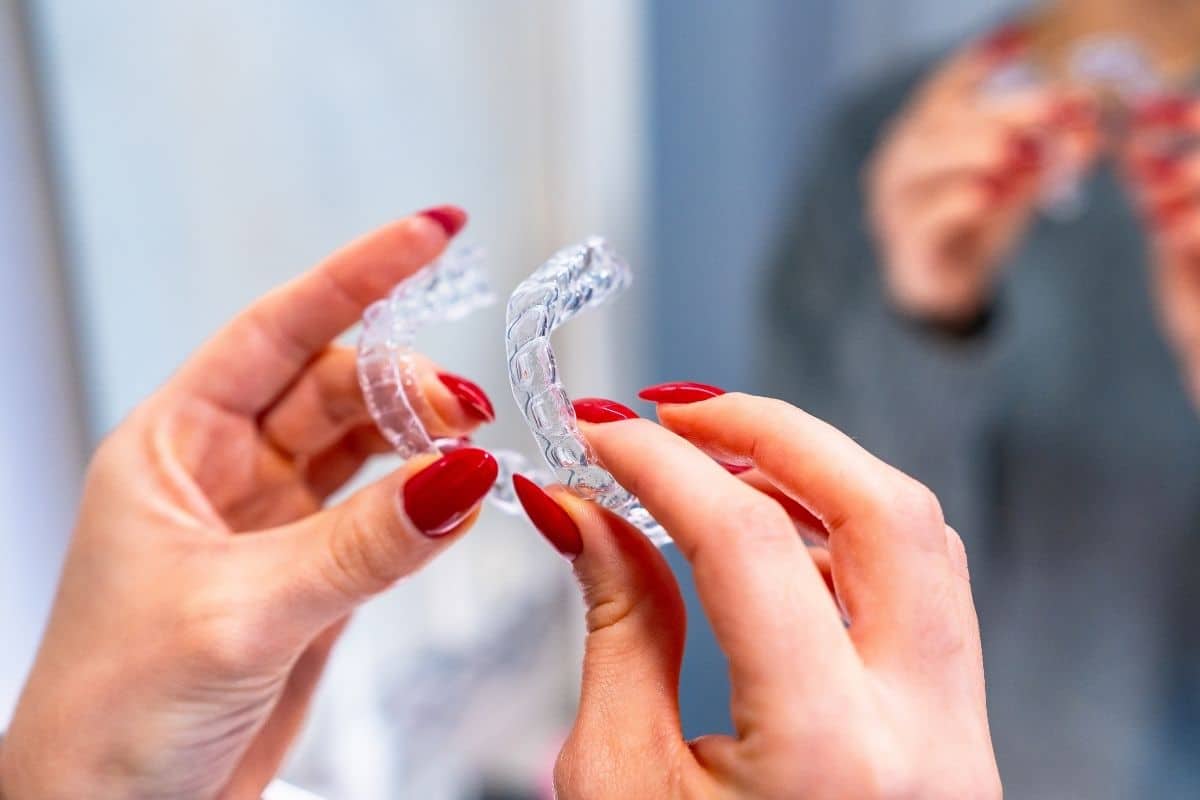
For those who prefer a more discreet option, clear aligners such as Invisalign can also be used to treat an open bite. These custom-made, removable aligners gradually shift the teeth into place. Clear aligners are often favored by adults who want to correct their open bite without the visibility of metal braces.
3. Tongue Crib
If the open bite is caused by tongue thrusting, a tongue crib may be used as part of the orthodontic treatment. This small appliance is placed in the mouth to prevent the tongue from pushing against the teeth. It helps break the habit of tongue thrusting, allowing the teeth to realign.
4. Surgery
In severe cases, where the open bite is due to jaw structure issues, corrective jaw surgery may be necessary. This option is typically reserved for adults whose bones have stopped growing, as braces or aligners alone may not be sufficient to realign the jaw.
Can Open Bites Relapse After Treatment?
One concern many people have is whether their open bite will return after treatment. Relapse can happen if the underlying habits, such as tongue thrusting or thumb sucking, are not addressed. That’s why orthodontists often recommend retainers after treatment to maintain the results and prevent the teeth from shifting back.
In some cases, behavioral therapy may also be suggested to address tongue thrusting or other habits that contributed to the open bite in the first place.
The Importance of Early Treatment
Open bites are often easier to correct when they are identified and treated early, especially in children. By addressing the issue while the jaw is still growing, orthodontic treatment can guide proper development and prevent the need for more invasive treatments later in life.
Parents are encouraged to take their children to an orthodontist by age 7 to catch potential bite issues early. However, it’s never too late to seek treatment for an open bite, even as an adult.
An open bite is a significant orthodontic issue that can affect both the function and appearance of your smile. Luckily, it can be corrected with various orthodontic treatments, from braces and clear aligners to surgery in more severe cases. If you or your child is dealing with an open bite, seeking treatment from an orthodontist is the best way to prevent further complications.
If you live in the area and are looking for expert care, an Orthodontist in Cumming can provide the treatment you need to achieve a healthy, functional smile. Don’t wait—addressing the issue early can save you from more complex procedures down the road.